• Skip to primary navigation
  • Skip to main content
  • Skip to primary sidebar
  • Skip to secondary sidebar

Plant Based U

Fat-Free and Low Fat Vegan Plant Based Recipes

  • Home
  • Recipes
    • Raw Vegan Recipes
    • Cooked Vegan Recipes
    • Eat to Live Dr. Fuhrman Recipes
  • Products
  • Coaching
  • Videos
  • Articles
  • About
    • What Is Low Fat Vegan/Whole Foods Plant Based
    • Resources
  • Contact

Articles

Fb-Button

What Exactly is Gluten and What is Celiac Disease?

December 5, 2012 by Veronica Grace 1 Comment

Fb-Button

What Exactly Is Gluten?


Gluten (pronounced gloo-ten) is a protein that is found in wheat (and related grains such as barley, rye, spelt etc) and products containing these ingredients. Gluten is the reason wheat (and other related grain) doughs are elastic and easily stretchable. It holds the dough together, gives shape and produces a chewy texture when cooked. Gluten is also found in many seasonings, cosmetics and hair products and is used as a binder to “hold” ingredients together.

Since gluten is a protein, it is often added to foods low in protein to enhance their level of protein. Seitan (also called “wheat meat” “wheat gluten” or just “gluten” is an imitation meat used as an alternative to soy foods such as tofu. It is turned into a dough and all of the starch (which is water soluble) is washed away and what remains is just the gluten portion, which is pliable and can be formed into mock meats. Seitan is the basis for many vegetarian meat products such as “Tofurky” (which contains wheat gluten and soy).

Because gluten is in so many processed foods today, more and more people are aware that it exists and are researching gluten free diets.

Who is Allergic to Gluten?


Worldwide, about 1 in 100 people have or could develop Celiacs in their lifetime. People with Celiacs or wheat allergies are allergic to wheat and gluten containing products. However many people mistakenly believe they are allergic to wheat because of the increased buzz about wheat allergies and celiac disease in the media and fad diets.

There are many factors that contribute to one being allergic to gluten and having Celiacs (Celiac Disease). It depends on your genetics and most people with Celiacs have European ancestry (often Irish). It also tends to affect more woman than men. Although the initial trigger for Celiacs is unknown, it can trigger during adolescence, sickness or times of great stress. The genes found to affect Celiac disease can increase the levels of zonulin in your intestines and can allow gluten to permeate the intestine. When gluten permeates the intestinal walls, this is what causes the allergic reaction as it hits the blood stream and is dispersed throughout the body.

Gluten is toxic if it reaches your blood stream, but for the majority of people it never permeates the intestinal walls and is passed through the colon along with other waste products. Most people in the world are not allergic to wheat or gluten and do not have to follow a strict gluten free diet.

Should I Consider A Gluten Free Diet For Myself?


A lot of people go on gluten free diets and then feel a little bit better and think that wheat was the cause of their digestive discomfort (bloating, pain, constipation, diarrhoea etc.) but it leaves little clue to actual cause of their digestive disorder. Many people mistakenly believe they are allergic to gluten or have Celiacs when in fact they have another disease such as Crohn’s or Colitis.

There is a possibility of having the root cause of your ailment going undiagnosed and becoming worse. Many people die unnecessarily every year because they are undiagnosed or misdiagnosed with digestive disorders and other diseases. If you have Crohn’s disease, eating a gluten free diet will not cure you of your condition, so it is very important to be properly diagnosed before changing your diet as you could do yourself more harm than good by remaining undiagnosed.

Celiac disease has genetic ramifications for your children and grand children and shouldn’t be taken lightly. Saying you have celiac disease when you are not properly diagnosed (undergoing an intestinal biopsy while eating a gluten containing diet to confirm) won’t do you much good in terms of ensuring a long healthy life for you and your family.

Adhering to a whole foods diet as opposed to a strict gluten free diet (when one shows no indication of Celiacs or wheat intolerance) is much more advisable for a healthy lifestyle. Digestion especially can improve when eating a diet rich in fruits and vegetables and low in processed foods including flour. Do not mistake a sensitivity to eating highly processed foods to having gluten intolerance or Celiacs.

Diagnosis of Celiac Disease


A definitive diagnosis for Celiacs can ONLY be made by biopsy of the small intestine. It is imperative that the biopsy be done BEFORE treatment and avoidance of gluten has started. If you are on a gluten free diet, you cannot be tested for Celiacs. The biopsy needs to show that the intestinal villi is damaged due to ingesting gluten regularly over a several month period.

If you have an immediate family member who is diagnosed with Celiacs oftentimes the government will cover the costs of a blood test to see if you have the genetic predisposition to Celiacs. This is the first step. If you do not have an immediate family member, you may have to pay for this testing yourself. Your gastroenterologist will probably then instruct you to eat a diet containing wheat and other gluten products for several months and then schedule a biopsy for you, to determine if you indeed have Celiacs. Once you are diagnosed and only then, should you adhere to a strict gluten free diet.

Self diagnosing of Celiacs is risky because there are many factors at play, and assuming wheat is the culprit of your illness can make you blind to other foods or circumstances that are negatively affecting your health.

What Foods Contain Gluten?


Avoiding these foods if you have Celiacs is paramount to your wellbeing. ALWAYS read every label and be aware of foods and products that can be cross contaminated with wheat.

Atta (chapatti flour)
Barley (flakes, flour, pearl)
Beer, ale, lager
Breading and bread stuffing
Brewers yeast
Bulgur
Communion wafers
Couscous
Croutons
Dinkel (also known as spelt) *
Durum *
Einkorn *
Emmer *
Farina
Farro or Faro (also known as spelt) *
Fu **
Graham flour
Hydrolyzed wheat protein
Kamut *
Malt, malt extract, malt syrup and malt flavouring
Malt vinegar
Malted milk
Matzoh, matzoh meal
Modified wheat starch
Oatmeal, oat bran, oat flour and whole oats ***
Pastas
Rye bread and flour
Seitan ****
Semolina
Spelt (also known as farro or faro, dinkel) *
Triticale
Wheat bran
Wheat flour
Wheat germ
Wheat starch

* These are all types of wheat

** Fu is a dried gluten product derived from wheat that is sold as thin sheets or thick round cakes. Used as a protein supplement in Asian dishes such as soups and vegetables.

*** Oats are contaminated with wheat and barley, unless they are specially grown, harvested and processed. More information.

**** Seitan is a meat-like food derived from wheat gluten used in many vegetarian dishes; sometimes called “wheat meat”.

Source: Adapted from Gluten-Free Diet: A Comprehensive Resource Guide 2008 by Shelley Case, Dietitian.

What Foods are SAFE To Eat And Don’t Contain Gluten?


Most unprocessed whole foods such as fruit, vegetables, meat, seafood, dairy, beans, legumes, rice, and many sweeteners are gluten free. Basically any item that only has 1 ingredient, and is not derived from wheat or processed in a facility that handles wheat and other gluten containing grains is gluten free.

There are many other grains and baking ingredients that do not contain gluten and can be used instead. It is important to know that all rice, and even glutinous (sticky) rice does not contain gluten.

Always read labels, as there are many ingredients such as the ubiquitous “spices”, “natural flavouring” etc. that can contain wheat, thus making the product NOT gluten free.

Amaranth
Arrowroot flour
Baking soda
Bean flour
Buckwheat
Cassava (Manioc flour)
Chickpea flour
Corn flour
Cornmeal
Cornstarch (Masa farina)
Cream of tartar
Dal or Dahl (Legume from India)
Flax
Gelatin
Green pea flour
Gums:
Acacia (Gum Arabic)
Carob bean gum
Carrageenan
Cellulose
Guaica
Guar
Karaya
Locust bean
Tragacanth
Xanthan
Invert Sugar
Kudzu
Lecithin
Legumes: Seeds of plants which include
Channa
Chick peas
Gram
All lentils
Peanuts
Peas
Soya
Malto dextrin
Maltol (A sweetener not related to malt)
Maltose
Mannitol
Millet
Molasses
Mustard flour (ground mustard)
Oats* (pure uncontaminated with barley or wheat)
Poi
Potato flour
Potato starch
Quinoa
Rice bran
Rice flour
Rice flour (glutinous, sweet)
Rice polishings
Rice starch
Sorghum
Soya flour
Soya starch
Spices
Sweet potato
Tapioca flour
Tapioca starch
Teff
Tofu
Vanilla
White vinegar **
Xanthan gum
Yam
Yeast
* Oats, unless they are specially grown, harvested, and processed, contain barley and wheat. Only pure and uncontaminated oats are acceptable for people with celiac disease. More information.

** Distilled vinegar, including white, apple cider, sherry, fruit, balsamic, palm, cane, and honey vinegars are all gluten free. Malt vinegar is NOT gluten free. Beer vinegar is NOT gluten free. Rice vinegar may or may not be gluten free. It may contain wheat – read the label.

Source: Adapted from Gluten-Free Diet: A Comprehensive Resource Guide 2008 by Shelley Case, Dietitian.

For a list of other questionable foods check out: http://www.celiac.ca/index.php/about-celiac-disease/what-to-question

Resources For Celiac Disease


Canadian Celiac Association http://www.celiac.ca

The University of Maryland Center for Celiac Research http://www.celiaccenter.org


Filed Under: Articles Tagged With: Celiac disease, celiacs, GF, gluten, gluten-free, what is

Vegan Quinoa Chickpea Pilaff

November 26, 2012 by Veronica Grace 18 Comments

Fb-Button

Quinoa is all the rage now, and so are quinoa salads and pilaffs. There are hundreds of ways to season quinoa and you don’t have to just eat it plain on the side. If you find cooking quinoa properly still a challenge, check out my post How To Cook Quinoa Perfectly to make sure your next batch turns out amazing.
This time I decided to mix things up and make my quinoa a little different. A heartier side filled with chickpeas, carrots, onions and celery. This would work as a warm side dish, a cold salad, or you can make it a meal by adding some sautéed tofu, tempeh or soy curls on top as well.

To get those pretty colours I used both white and red quinoa in this dish. Feel free to use either, I just like the look of multicoloured quinoa for some variety. This recipe makes a lot so it’s great for leftovers you can keep in the fridge or freezer for a quick meal or snack later on as well.

Quinoa Chickpea Pilaf

 
Serves 6

Ingredients:

1 1/2 cups quinoa (I used 1 cup white and 1/2 cup red)
3 cups/709.76 ml low sodium vegetable broth
1 large onion, diced
2 cloves of garlic, minced
1 large carrot, diced
1 stalk of celery, diced
1 15 oz./425g can of chickpeas
2-3 tbsp low sodium soy sauce (or GF tamari)
2 tsp roasted cumin (ground)
1/2 tsp roasted coriander (ground)
1/4 tsp chipotle chili powder
2 tsp Trader Joe’s 21 Seasoning Salute (or other salt free seasoning mix) *optional

Directions:

1. Sauté the onions, carrots and celery in 1/2 cup of broth for 5 minutes. Add the garlic and sauté for a minute and add the chickpeas.

2. Add remaining broth to a medium pot, quinoa, seasonings and saucepan ingredients. Bring to a boil and then reduce heat to medium low (about 3 on the burner) and cook covered for 25 to 30 minutes until quinoa is cooked. (If you put it on very low, or 1, it probably won’t have enough heat to cook the quinoa because of the other ingredients.)

3. Stir as required to prevent sticking at the bottom.

4. Fluff with a fork before serving.

Have you ever had a quinoa pilaff? What’s your favorite way to season quinoa?

Filed Under: Cooked Vegan Recipes, Dinner, Eat To Live - Dr. Fuhrman Recipes, McDougall Program, Side Dishes Tagged With: Carrots, celery, chickpea, fat-free, gluten-free, pilaf, quinoa, salad, side dish, soy-free, sugar-free

Fat Free Vegan Spaghetti Marinara With Chickpeas

November 25, 2012 by Veronica Grace 9 Comments

Fb-Button

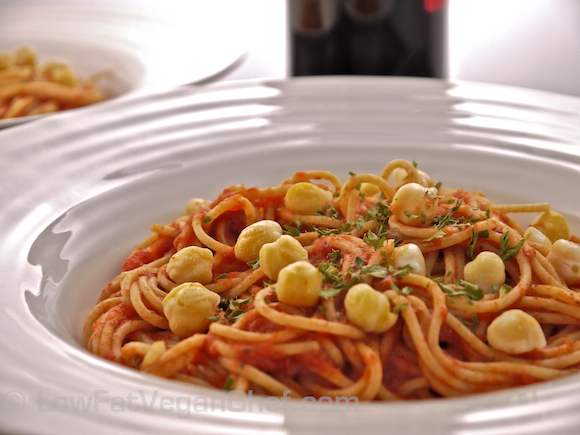
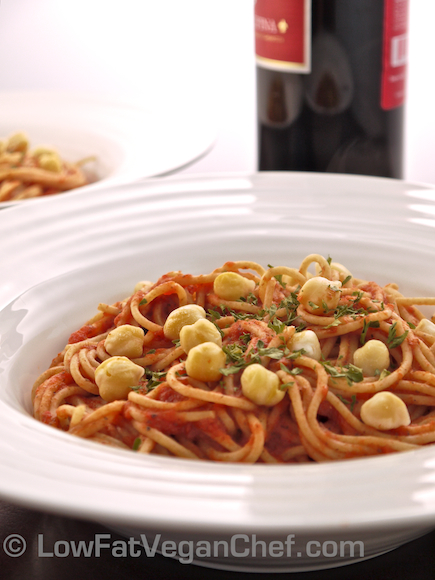
So this is a recipe I made one day when I wasn’t sure what to throw into the spaghetti… I thought why not try a bit of chickpea for something to chew on. The results were not bad, but you definitely need a lot of sauce to add some flavour.

I used whole wheat pasta in this recipe, you can use gluten free or another variety if desired as well. Feel free to add some chopped steamed veggies to your marinara sauce as well if desired.

I just thought this vegan spaghetti recipe was too pretty not to share!

Low Fat Vegan Chef's Fat Free Vegan Spaghetti With Chickpeas

Spaghetti and Chickpeas With Marinara Sauce

Marinara Sauce:

Yields 50 oz/1.5 L of sauce

1 large onion, diced
5 cloves of garlic, minced
5 cups canned tomatoes, diced whole or crushed (about 3 14 oz/396 g cans)
1 6 oz./170 g can tomato paste
3 tbsp sugar or sweetener (or as desired)
2 tsp dried oregano
3 tsp dried basil

Spaghetti:

1/2 box whole wheat or gluten free spaghetti
1/2 15 oz. can of chickpeas, drained

Directions:

1. Fill a large pot with cool water and bring to a boil. Add salt if desired and then add pasta and cook until desired tenderness.

2. Meanwhile prepare the pasta sauce. In a large non-stick skillet or saucepan add the onions and sauté for 2-3 minutes. Add the garlic and sauté another minute or two. Add the tomatoes and seasonings and cook for 5-8 minutes until the tomatoes break down a little. Add sauce to a Vita-Mix, food processor or blender and then blend until smooth. Return to pan to keep warm.

3. When pasta is cooked, drain and then combine with the pasta sauce. Use whatever pot is bigger and toss the pasta with the sauce.

4. Plate and then garnish with chickpeas and additional basil if desired.

What’s your favorite addition to vegan spaghetti?

Filed Under: Cooked Vegan Recipes, Dinner, McDougall Program, Pasta Tagged With: basil, chickpeas, fat-free, gluten-free, marinara, noodles, nut-free, pasta, soy-free, spaghetti, tomatoes

Punjabi Garam Masala Recipe

November 22, 2012 by Veronica Grace 3 Comments

Fb-Button

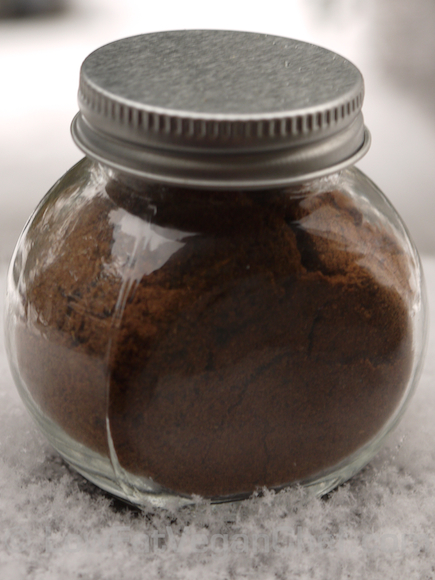
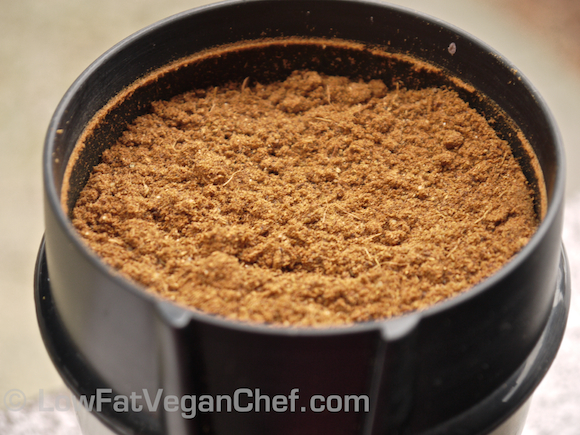
(yes that is snow! the lighting was better outside)

Are you looking for a fragrant yet milder version of Garam Masala to use in your Indian recipes? I find that store bought Garam Masala is quite spicy and bitter, and not as fragrant.

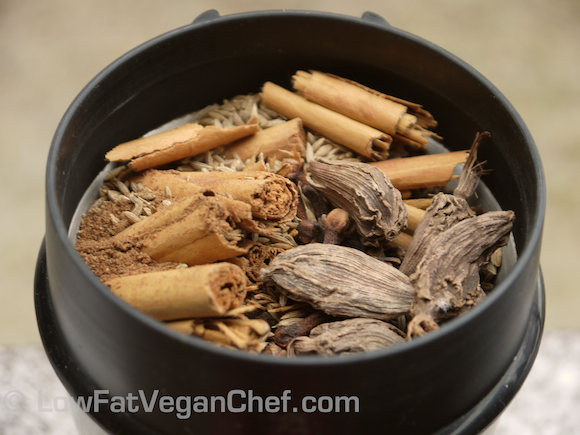
So I decided to make this recipe instead. Garam Masala can contain a mix of spices and be made differently depending on what region you are in India. Garam Masala can contain the following spices: black pepper, cumin, coriander, black cardamom, cloves, nutmeg, ginger, bay leaf, caraway, cinnamon and/or mace.

This recipe is fairly simple and only contains a few ingredients.

Punjabi Garam Masala Recipe

Ingredients:

2 tsp black cardamom pods
4 tsp cumin seeds
8 tsp whole cloves
1/2 tsp ground nutmeg
4 3″ cinnamon sticks (cassia variety)

Directions:

Combine ingredients in a coffee grinder.

Pulse until spices are ground and uniform in size.

Store in an air tight container.

Uses:

Garam Masala is used in the last 5 minutes of cooking, or sprinkled on dishes after they are cooked so the flavors stay intact.

Have you ever used Garam Masala? What’s your favorite way to use it? 

Filed Under: Cooked Vegan Recipes, How To, Indian Dishes, Spices/Seasonings Tagged With: cardamom, cinnamon, cloves, cumin seeds, garam masala, Indian Dishes, nutmeg, punjabi, seasoning, spices

Low Fat Vegan Thanksgiving Ideas

November 14, 2012 by Veronica Grace 4 Comments

Fb-Button
I decided to make a post of my favorite veganized Thanksgiving dishes to share with you since many of you will be dining plant based or trying to dine mostly plant based this year and still feeding some carnivores too! All of these recipes have been tested on my family and their non vegan friends, so I assure you they are crowd pleasers. 🙂
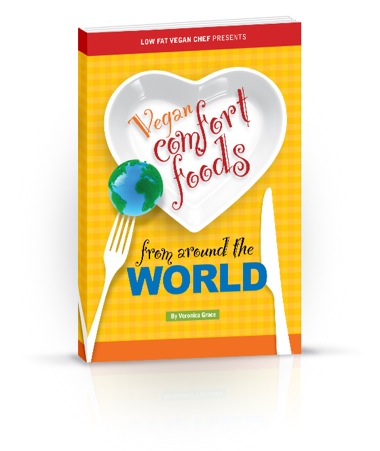
Some of these recipes are featured in my blog, and some are in my recipe ebook Vegan Comfort Foods From Around The World has loads more delicious and hearty entree recipes for every occasion.

Vegan Thanksgiving Menu Ideas

Raw Vegan Salads:

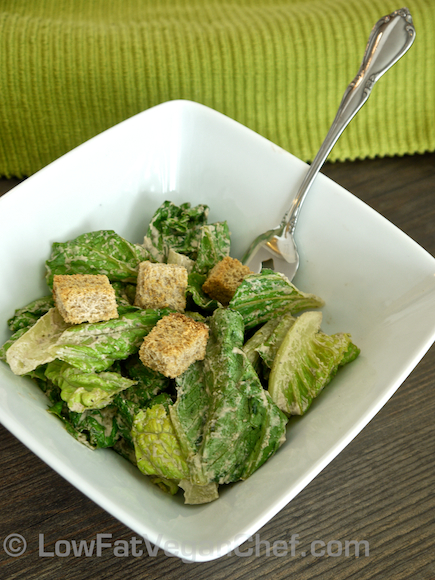
Raw vegan Caesar Salad

Raw Vegan Caesar Salad

The Best Caesar Salad


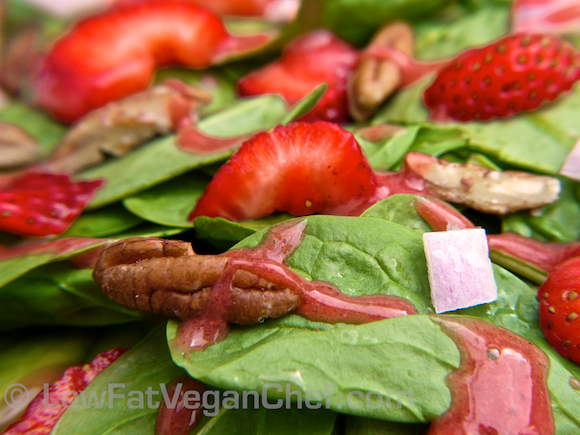
Low Fat Raw Vegan Chef's Strawberry Pecan Spinach Salad

Strawberry Pecan Spinach Salad

Vegan Thanksgiving Entrees:

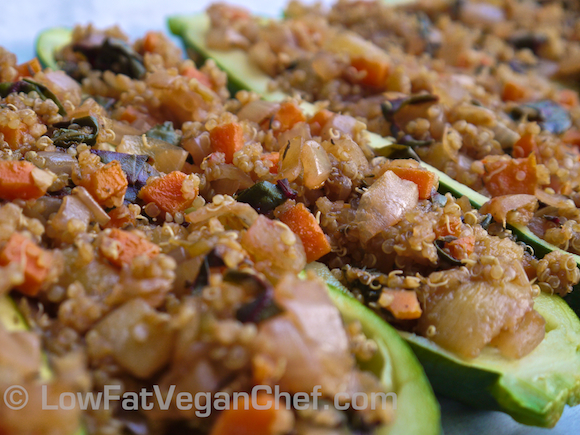
Quinoa Stuffed Zucchini Boats


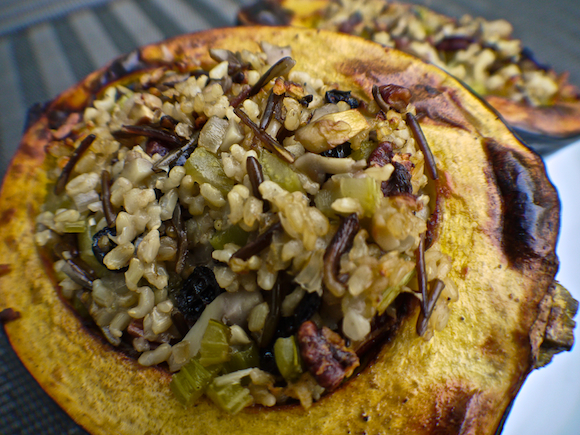
Holiday Stuffed Acorn Squash

Holiday Stuffed Acorn Squash

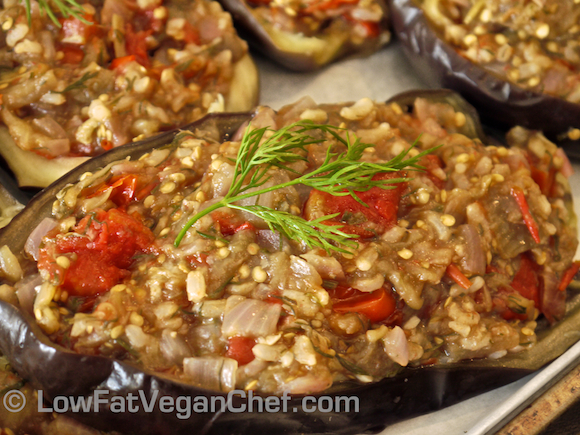
Greek Stuffed Eggplant

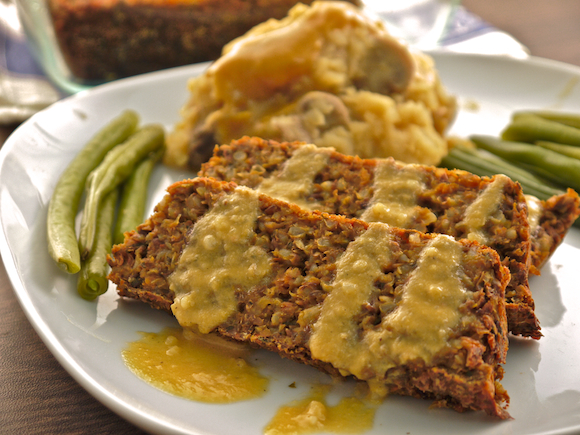
Herbed Lentil Loaf

Herbed Lentil Loaf with Miso Gravy

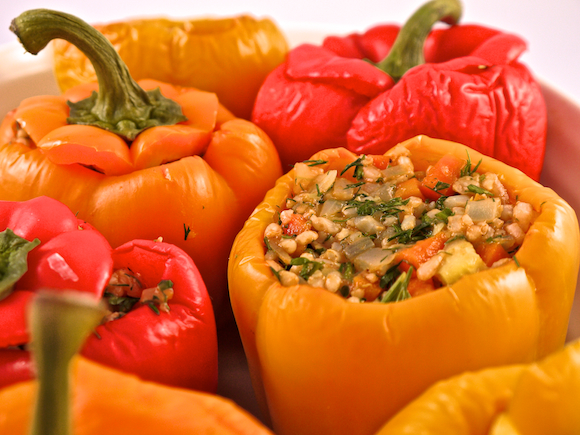
Greek Rice Stuffed Peppers

Greek Stuffed Peppers


Vegan Side Dishes:

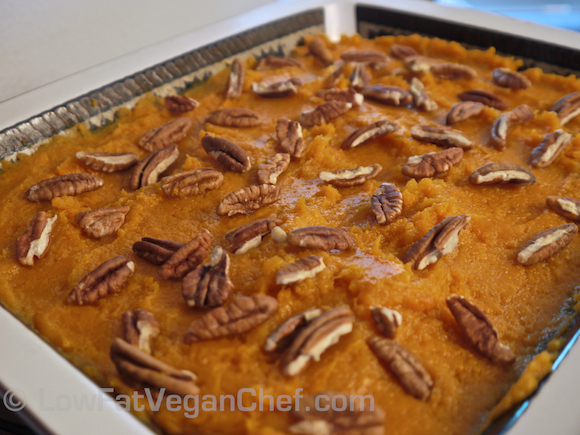
Maple Yam and Pecan Casserole

Holiday Baked Maple Yam Pecan Casserole

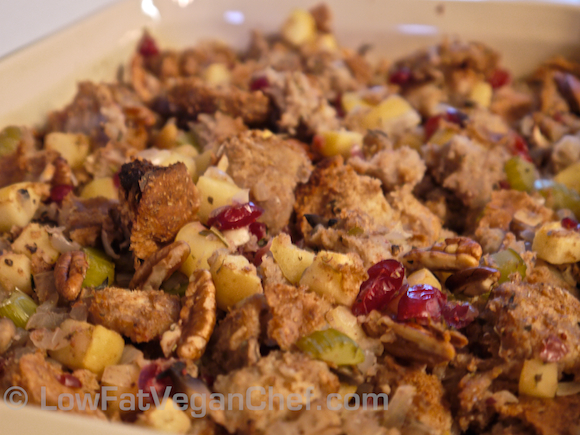
Cranberry Apple Pecan Holiday Stuffing

Cranberry Apple Pecan Holiday Stuffing

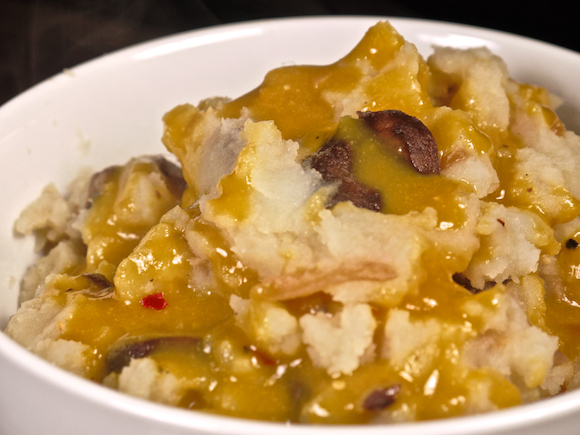
Mashed Potatoes With Gravy

Garlic Mashed Potatoes with Brown Gravy

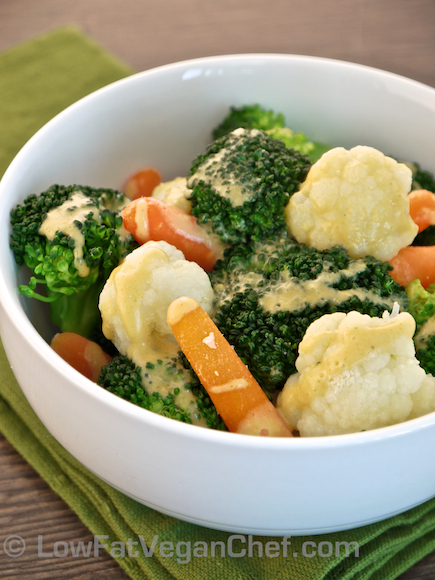
Steamed Vegetablesin Cheezy Sauce

Steamed Vegetables In Cheezy Sauce

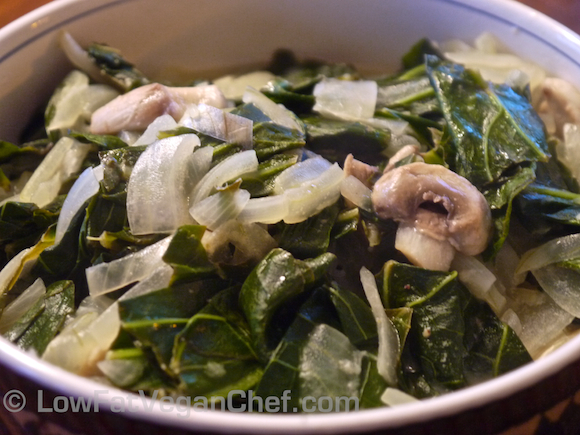
Tangy Collard Greens with Mushrooms, Onions and Coconut Milk

Tangy Collard Greens in Coconut Milk


Vegan Decadent Desserts (These are not low fat):

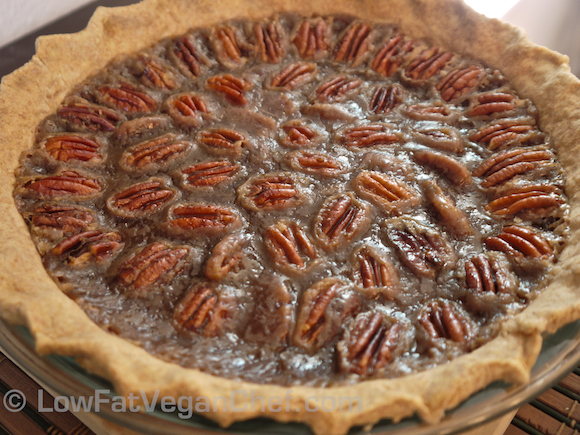
Vegan Pecan Pie


Holiday Vegan Pecan Pie

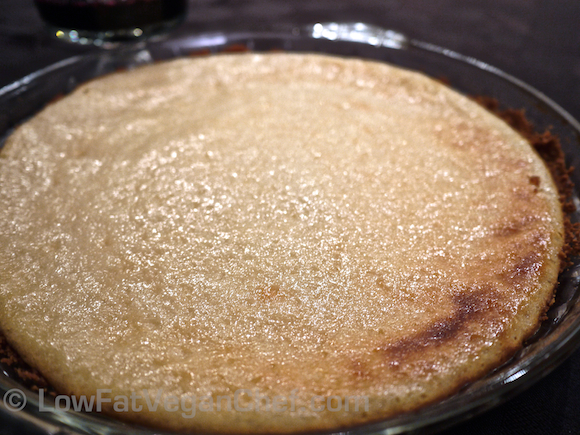
Vegan Cheesecake with Blueberry Compote

Vegan Cheesecake with Blueberry Compote


Vegan Lower Fat Desserts: 

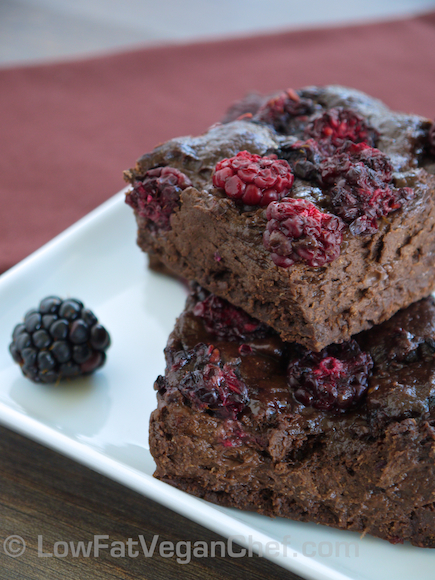
Fudgey Blackberry Brownies

Fudgey Black Berry Brownies

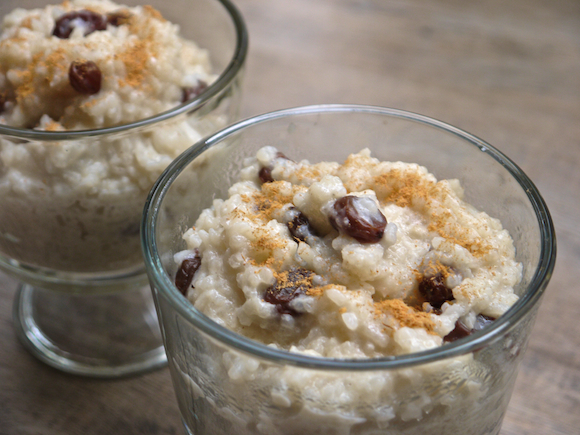
Vegan Rice Pudding

Vegan Rice Pudding

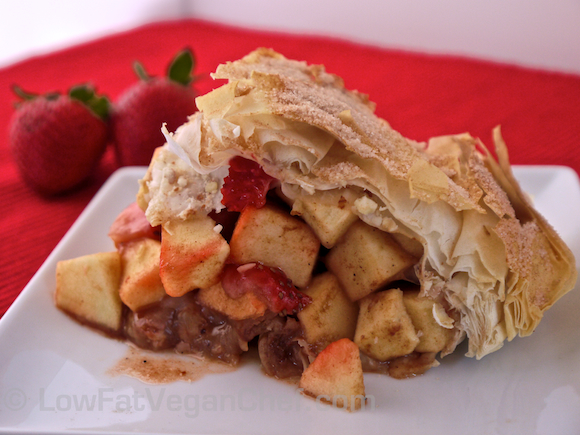
Apple Strawberry Strudel Pie

Apple Strawberry Strudel Pie

There are lots of delicious and healthy recipes to choose from. I hope that I included some of your favorites.
So if these goodies entice you be sure to check out my book  Vegan Comfort Foods From Around The World. 
What’s your favorite vegan Thanksgiving dish?

Filed Under: Articles, Holiday Tagged With: dinner, entree, gluten-free, low-fat, Thanksgiving

Vegan Comfort Foods From Around The World Now Available!

October 16, 2012 by Veronica Grace 3 Comments

Fb-Button

My new recipe eBook Vegan Comfort Foods From Around The World is now available!

I originally wanted to release this in the spring, but I decided to double the amount of recipes included in it and take more delicious photographs! It’s got over 60 recipes in it. All are 100% oil free, low in fat and based on whole foods like potatoes, yams/sweet potatoes/ rice, beans and lentils. There’s absolutely NO fake meat and no fake cheese in these recipes either!

I also teach you how to cook brown rice, Indian rice, quinoa and pasta so you can have delicious side dishes.

Oh and did I mention there are 5 different gravy recipes too? As well as cheezy sauce, hummus, baba ghanoush, roasted red pepper hummus, tangy ranch dip and queso sauce, so you’ll never again wonder what to put on your vegetables!

Some of my favorite recipes include:

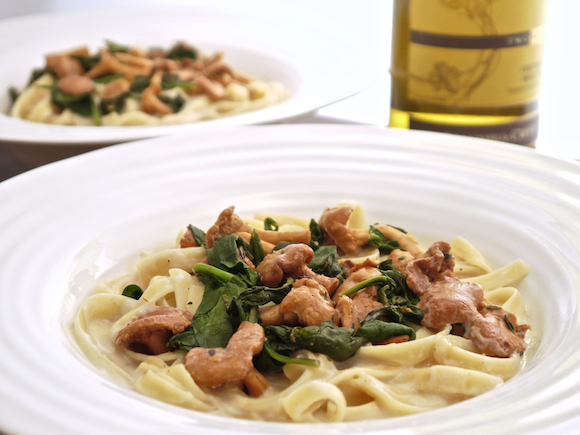
Fettuccini Alfredo With Mushrooms And Spinach

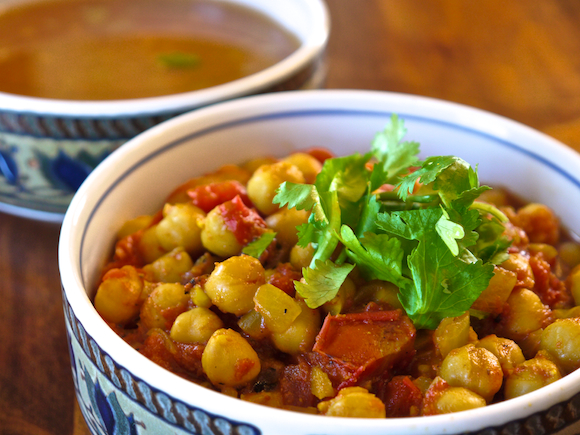
Indian Chickpea Curry (Chana Masala)

Greek Rice Stuffed Peppers

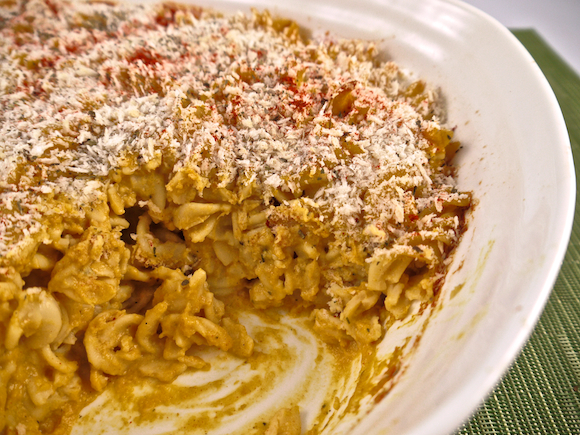
Vegan Baked Butternut Squash Mac and Cheese

Marinated Portobello Bean Burritos

Black Bean And Corn Tacos

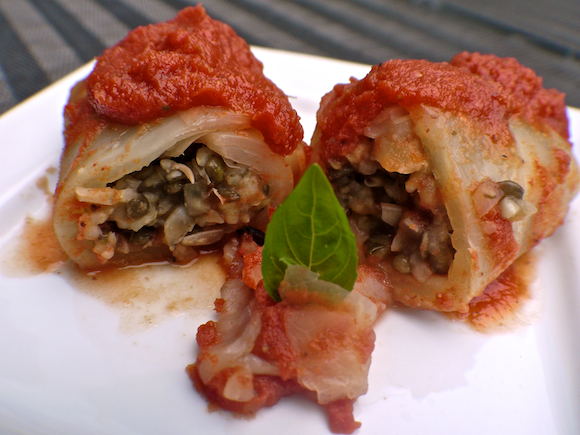
The Best Cabbage Rolls

and more!

So check it out:

http://www.plantbasedu.com/comfortfoods


Filed Under: *My Recipe Books, Articles, Cooked Vegan Recipes Tagged With: comfort food, dinner, gluten-free, McDougall Program, my recipe books, nut-free, soy-free

How To Cook The Perfect White Basmati Rice

October 3, 2012 by Veronica Grace 6 Comments

Fb-Button

How To Cook The Perfect White Basmati (Indian Rice)


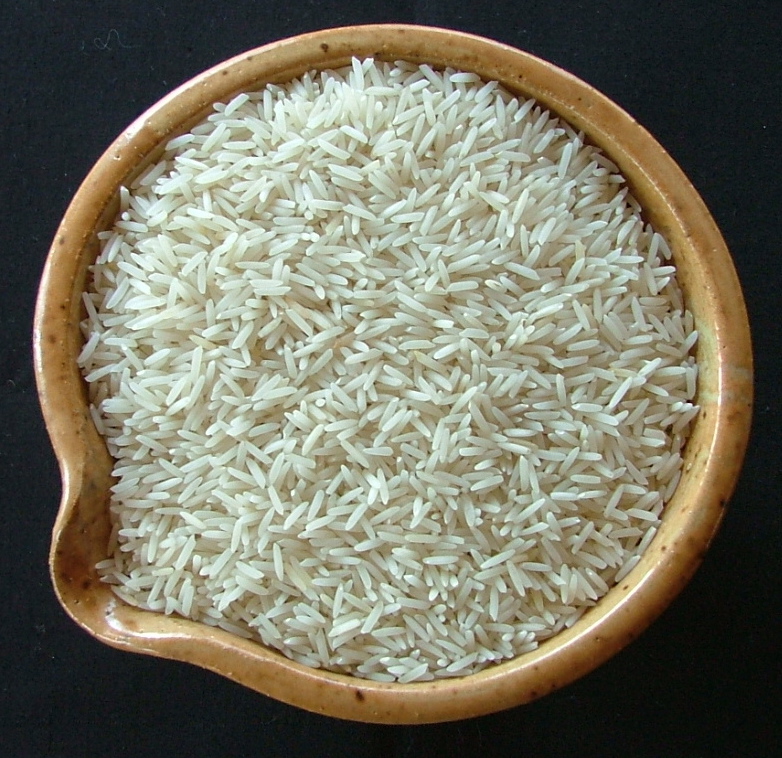
Long grain Indian Basmati rice is a little different from the typical white rice. It is long and thin and, if cooked properly, can be light and fluffy and delicious. Quite often it can be overcooked and turn out sticky and mushy. Follow these directions for the best white Indian Basmati rice.

Stove top directions for white basmati rice:

1. Measure rice and add to a bowl or mesh strainer. Rinse with cold water 3 times moving the grains around with your hands.
2. Add rice to a bowl and soak with 1-½ times as much cold water for firm rice and double the water for softer rice. Add ½ tsp. of salt for every cup of rice. (This is optional, it helps the grains stay firmer and not stick together.) Let the rice sit for 30 minutes to 2 hours. This helps stop the grains from breaking and sticking together.
3. Transfer rice and water to a heavy bottomed pot and cover with a fitted lid. If it has a steam vent cover it with a small cloth.
4. Turn to high heat and bring to a boil.
5. When it’s at a rolling boil, turn the heat down to a simmer and cook for 12-14 minutes. DO NOT PEEK OR OPEN THE LID.
6. Turn off the heat and let the rice steam for 5-10 minutes.
7. Fluff with a fork and serve.

Rice cooker directions for white basmati rice:

1. Measure rice and add to a bowl or mesh strainer. Rinse with cold water 3 times moving the grains around with your hands.
2. Add rice to a bowl and soak with double the cold water as rice. Add ½ tsp. of salt for every cup of rice. (This is optional, it helps the grains stay firmer and not stick together.) Let the rice sit for 30 minutes.
3. Transfer rice and soaking water to rice cooker pan and set the white rice/regular cook setting.
4. Allow rice to steam for 5-10 minutes when cooking cycle is complete.
5. Fluff with a fork and serve.
For firmer more al dente rice, at the beginning, just rinse in cold water and skip the soaking time. Combine water and rice in a rice cooker and cook on the white rice/regular cook setting.

For cooking brown basmati rice over the stove, use 2 cups of water for every cup of rice. Bring to a boil and cook it covered over a simmer for 35-40 minutes. Let it stand 10-20 minutes after done cooking to finish steaming.

For brown basmati rice in the rice cooker set it to the brown rice setting.
Tip: You can also add any additional Indian spices such as cumin seeds, cardamom pods, mustard seeds, whole cloves, cinnamon sticks, turmeric etc. to the soaking water to flavor your rice.

Filed Under: Articles, How To, Indian Dishes, Side Dishes Tagged With: fat-free, gluten-free, Indian Dishes, nut-free, rice, soy-free

How To Cook Dried Chickpeas On The Stove Or In A Pressure Cooker

September 24, 2012 by Veronica Grace 40 Comments

Fb-Button

How To Cook Dried Chickpeas From Scratch

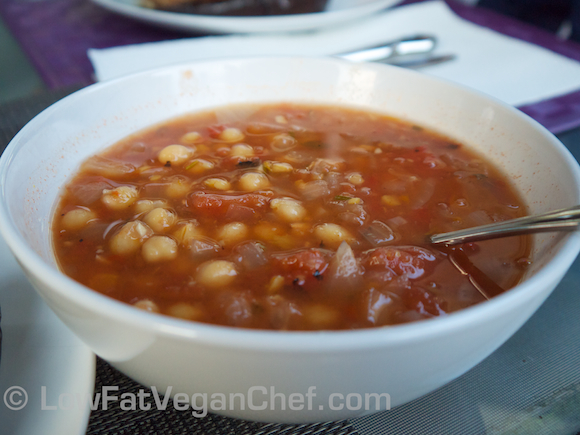
Tuscan Roasted Tomato and Chickpea Soup from my Comfort Soups ebook

In my recipe books I cook all of my own beans from scratch because it’s less expensive and overall tastes much better. It’s also a good way to control the amount of sodium in your diet and you can cook your beans with or without added salt. For those of you interested in cooking your own chickpeas/garbanzo beans, it’s probably because you’ve gotten hooked on how amazingly delicious (and cheap) it is to make your own.

I recommend making a big batch if you are going to go to the trouble of cooking chickpeas/garbanzos yourself. You can save any leftovers in containers or bags and freeze them for later, or you can just make a double batch of your recipe to use them all up and have meals for the week. The best tip I have for flavorful chickpeas is to use a bay leaf and some seaweed like kombu. When you’re not using salt, (or much at all) beans can taste very bland and these seasonings will greatly enhance the flavor of your chickpeas over the canned versions.

(If you’re looking for directions for cooking non-soaked chickpeas, scroll to the bottom)

Stove Top Directions For Cooking Chickpeas:

Step #1: Pick through your dried chickpeas/garbanzos and remove any bits of rock, broken shells, gross looking chickpeas, random other beans etc.

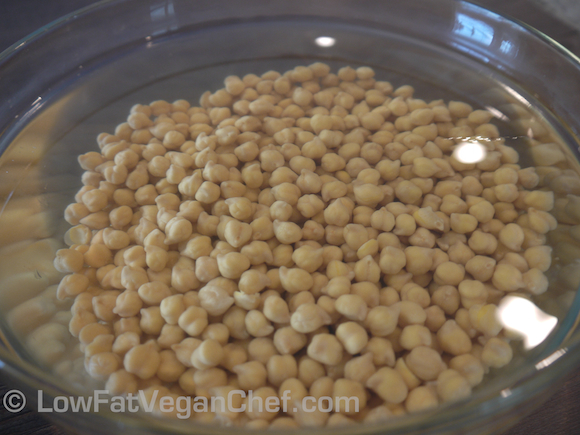
How To Cook Chickpeas

Step #2: Rinse your chickpeas and place into a large bowl or container. Add 3 cups of water for every 1 cup of beans that you are making. Let the beans soak overnight, or first thing in the morning so you can make them for dinner. I find that chickpeas are fine if they are soaked 5-8 hours, but when I soak them overnight they get overcooked really easily and are disappointing. Try not to soak your beans more than 8 hours if leaving them overnight. If you you do, it’d be better to cook them over the stove as there is less risk of overcooking when you use a pressure cooker.

Step #3: Drain and rinse the chickpeas again in a colander.

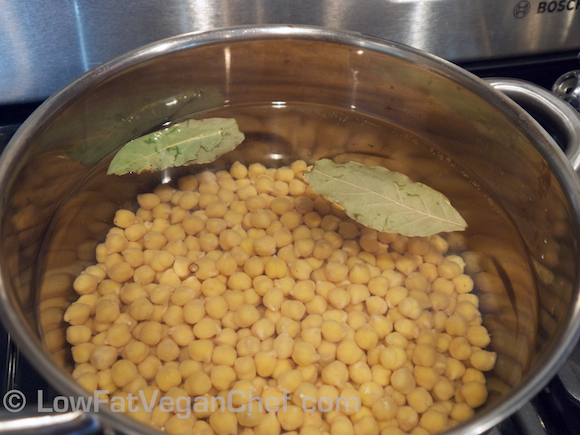
How To Cook Chickpeas

Step #4: For cooking the beans on the stovetop add 3 cups of water for each 1 cup of dried chickpeas and bay leaves and/or a kombu seaweed strip for flavour. Bring to a boil and then simmer over medium-medium low heat for 1-2.5 hours until they give to pressure. (it depends on size, small beans cook faster) Make sure they are not crunchy inside and are cooked through. Since each bean has a different size, the cooking times will vary. You can add salt or additional seasonings if desired part way through cooking, but this is optional.

*Non-Soaking Method For Cooking Dried Chickpeas In Pressure Cooker:

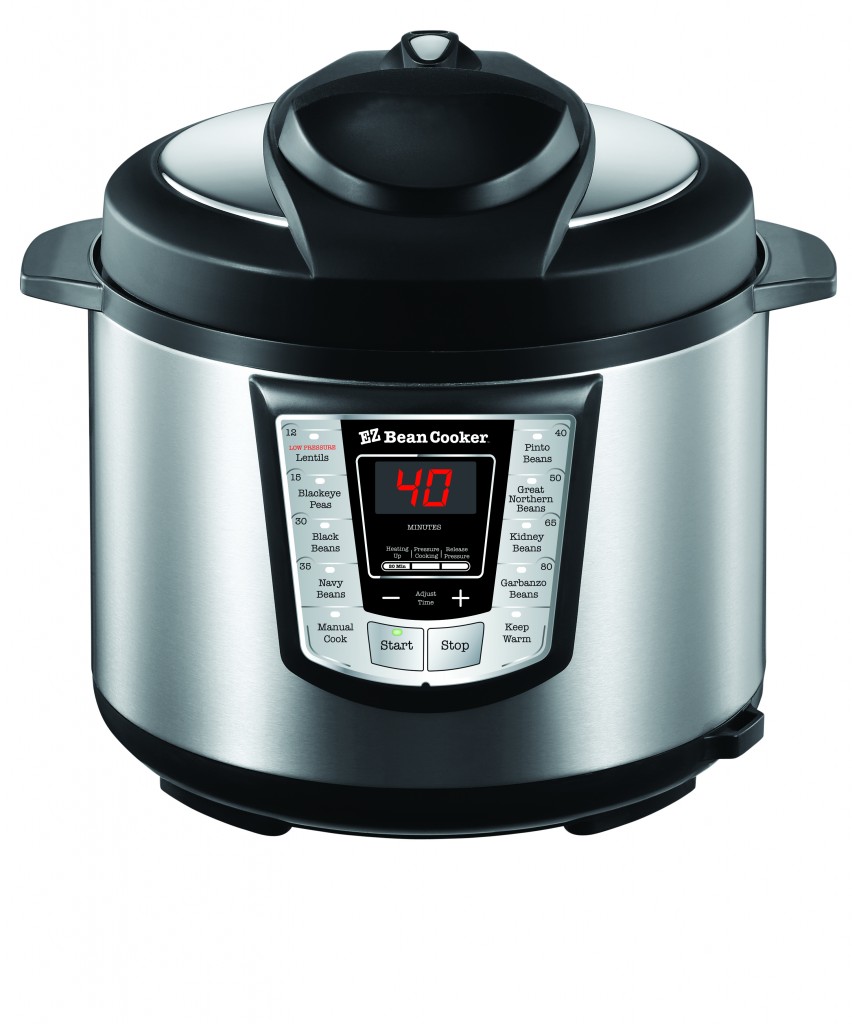
If you have an EZ Bean Cooker or digital pressure cooker you DON’T HAVE TO presoak your chickpeas.  You can just rinse them and put them in a pressure cooker and 3 cups of water to every 1 cup of dried chickpeas. Season if desired. Choose the garbanzo (80 min) setting on your EZ Bean Cooker or program for 80 minutes on a digital pressure cooker. Once the timer goes off release the pressure from the valve and let the pressure continue to drop. Drain and use chickpeas as desired.

Regular Pressure Cooker Directions For Cooking Pre-Soaked Chickpeas:

Step #1: Pick through your dried chickpeas/garbanzos and remove any bits of rock, broken shells, gross looking chickpeas, random other beans etc.

Step #2: Rinse your chickpeas and place into a large bowl or container. Add 3 cups of water for every 1 cup of beans that you are making. Let the beans soak overnight, or first thing in the morning so you can make them for dinner. I find that chickpeas are fine if they are soaked 5-8 hours, but when I soak them overnight they get overcooked really easily and are disappointing. Try not to soak your beans more than 8 hours if leaving them overnight. If you you do, it’d be better to cook them over the stove as there is less risk of overcooking when you use a pressure cooker. *Note see below for Non-soaking method for cooking chickpeas.

Step #3: Drain and rinse the chickpeas again in a colander. When using a pressure cooker use enough water to just cover the beans beans and add bay leaves/kombu/a little salt or baking soda if desired and cook for the recommended time on a pressure cooker timing chart. For chickpeas it’s around 5-7 minutes at high pressure in a stove top pressure cooker. (Less if you soaked them 8+ hours) Ultimate Pressure Cooking Chart is a good starting point of reference, but I find their times to be a little high for my gas stove pressure cooker. Always start with a lower time the first time. Once you figure out your perfect time, it’s best to write it down so you remember for next time. (Like the amount of hours you soaked the chickpeas and the number of minutes cooked at high pressure.)

When pressure cooking, keep it on high heat until it reaches full pressure (a steady stream of steam coming out), then reduce it to medium-medium high heat (depending how hot your stove is) and cook for the time indicated in your manual or the pressure cooking chart. I like to play it safe as cook a at least a minute or two less than the charts stipulate. Turn off the heat as soon as the timer goes off. Once the pressure has been reduced and it’s safe to open the lid you can check the beans and see if they are cooked enough.

Note: I do not use oil when cooking my beans with a pressure cooker myself. Most companies recommend that you do so that you don’t get bean foam clogging up the pressure release valve and make a mess. I prefer to cook everything without oil.

To alleviate this foam problem, I use what’s called the “Quick Release Method” by turning off the heat once the timer goes off and then move the pressure cooker into the sink and run cold water on top of the lid until it cools down and the pressurized release opens. This way I do not get any bean foam coming out or making a mess. (This works only for stovetop pressure cookers.)

For the electric pressure cookers it can be a little trickier. You can unplug it and place it in the sink and run cold water on it, or you can put a towel over the top and turn the valve and let out the pressure that way, but there will be bean juice and foam coming out of it and it will soak your towel.

For most things I let the pressure come down naturally, but especially when cooking black beans you need to do the quick release method or else they will be mushy and overcooked. They are very finicky and can only be pressure-cooked 1-2 minutes maximum.

Quick Soak Method For Beans: 

If you forget to soak your chickpeas or beans the night before or in the morning and you want to make a recipe that day you can do the “Quick Soak Method”.

Place your dried beans into a pot and fill with water 3 inches above the beans. Bring to a full boil and then turn off the heat and remove from the stove. Cover and let the beans soak in this hot water for 1 hour. Drain and then cook as above, and your beans should be similar to beans soaked for 8 hours. Please make sure you cook them afterwards, this is just a quick soak method and not a quick cooking method.

Additional Tips For Cooking Chickpeas:

Once your beans are cooked, you can drain them and use them in a recipe, or you can save them in their cooking water and freeze in smaller portions.

Bean cooking liquid is great served over rice or potatoes (if it’s a little seasoned) so don’t just throw it away.

For the best taste in your chickpeas I always recommend using 2 bay leaves, kombu seaweed (if you can find it) and seasoning with a little salt or kelp. If you don’t season the beans at all they will be very bland and probably taste dry and pasty! So I don’t recommend this. Fresh thyme is another delicious suggestion.

Kombu is available at Asian markets and health food stores beside the Nori seaweed. But you probably won’t find this at a regular grocery store though.

Have you ever cooked your own chickpeas before? What’s your favorite chickpea recipe?

Filed Under: Articles, How To Tagged With: chickpeas, how-to

How To Cook The Perfect Brown Rice

September 20, 2012 by Veronica Grace 10 Comments

Fb-Button

How To Cook The Perfect Brown Rice


Brown rice takes much longer to cook than white rice and sometimes it can be confusing why your brown rice didn’t turn out if you have never cooked it before. Brown rice is a whole grain and still contains the outer layer of bran. White rice has just been de-hulled and reveals the white endosperm inside. Any rice that contains the outer layer of bran will look brown and can be called brown “rice”.

So let me show you how to cook brown rice in 2 easy ways, on the stovetop or in a rice cooker.

Stove Top Directions For Cooking Brown Rice:

  1. Measure out rice using a measuring cup. Usually it’s 1/3 cup for a small single serving and 1 cup for several servings. You can always make a big batch in advance and reheat it later or use to make rice salad.
  2. Place rice in a mesh strainer or a bowl and rinse with cool water to remove any debris and excess starch.  Drain.
  3. Add rinsed rice to a pot and add 1 ½ times the amount of rice you have in fresh water. For 1 cup of rice, add 1 ½ cups of water.
  4. Put the pot on the stove uncovered and turn the heat to high and bring it to a boil.
  5. Once your water is boiling, turn the heat to a simmer and cover with a lid. If your lid has a hole or steam valve cover it with a little cloth. Let the rice cook at a simmer for about 20 minutes.
  6. Turn off the heat and let the rice sit and steam for another 10 minutes.
  7. Fluff with a fork and serve.
My favorite rice cooker is the Zojirushi 5 1/2 cup (dry amount) rice cooker. It’s designed in Japan and is like the Mercedez of rice cookers. You can program it to cook rice at any hour of the day, but I personally enjoy being able to set it the night before to cook steel cut oats for whole grain oatmeal in the morning. It also has settings for brown rice, white rice, mixed rice, sweet rice, porridge, cake and steaming vegetables. So if you’re looking for an awesome all in 1 grain cooker I recommend this one. If you’re just a single or looker for a cheaper one there’s also the Zojirushi 3 cup (dry amount) rice cooker. 

Rice Cooker Directions For Cooking Brown Rice:

  1. Measure out rice using the measuring cup that comes with rice cooker. Usually it’s 1/3 cup for a small serving and 1 cup for several servings. You can always make a big batch in advance and reheat it later or use to make rice salad.
  2. Place rice in a mesh strainer or in rice cooker pan and rinse with cool water to remove any debris and excess starch.  Drain.
  3. Add rinsed rice back to rice cooker pan and add water to the corresponding water level for brown rice. If your rice cooker pan does not have a brown rice and white rice water line, use 1 ½ times the amount of rice for water. For example: 1 cup of dried brown rice will need 1½ cups of water.
  4. Turn rice cooker on and select brown rice setting. If your rice cooker does not have a brown rice setting, select white rice or just press on/start.
  5. Once cooking is complete and the rice cooker turns to the keep warm setting, let the rice sit and steam for 5-10 minutes before opening. (This helps your grains stay separated and not stick together when you scoop it out.)
  6. Fluff with a fork and serve.

I suggest setting your rice cooker to cook 1 to 2 hours before your main dish is ready to ensure that it is ready on time. For basic rice cookers it’s about 1 hour of cook time, for the Zojirushi it’s about 2 hours because it adds a soaking cycle (and produces better brown rice.)

Filed Under: Articles, Cooked Vegan Recipes, How To, Side Dishes Tagged With: brown rice, cooked recipes, fat-free, gluten-free, how-to, nut-free, soy-free

How To Cook Dried Pasta

September 19, 2012 by Veronica Grace 1 Comment

Fb-Button

How To Cook Dried Pasta


Although most pasta comes with cooking instructions on the package, sometimes people over cook their pasta and some helpful pointers are in order.

It’s best to cook pasta in clean filtered water as opposed to warm or hot water for the best taste. Although hot water boils faster, it comes from your hot water heater and can taste different from cold water. Use a large glass or stainless steel pot for cooking your pasta.

Step 1: Fill up a large 4-5 quart pot with cool filtered water and bring to a boil. When the water is boiling you can add a little salt if desired. (This is personal preference, omit if you are following a low sodium diet.) Note: it is a myth that salted water boils faster, it in fact takes longer to boil. So add salt only once your water is at a rolling boil.

Step 2:  Add your dried pasta and stir to make sure that it doesn’t stick.

Step 3: Start timing your pasta when the water comes back to a boil.

Step 4: Stir as necessary to prevent from sticking to the bottom of the pot.

Step 5: When pasta is cooked to desired tenderness turn off heat and pour into a colander to drain. Do not rinse.

Step 6: Toss or top with sauce and serve.

Tip: Pasta will clump together if left for more than a few minutes, so use immediately or gently run a little water over it and turn it to break up the pasta clumps.

For cooking pasta that you want to bake in a casserole I suggest cooking it for only 5 minutes. Then toss with the rest of your ingredients and bake at 350F /177 C for about 20-30 minutes until heated through and the pasta is at desired tenderness.

How Much Does Dried Pasta Yield When Cooked?

1 cup of small dry pasta shapes weighs about 4 oz./113.4 g and will make 2 1/2 cups cooked.

4 oz./113.4 g pasta noodles or a 1-inch bunch will make 2 cups of cooked pasta.

Filed Under: Articles, How To Tagged With: how-to, pasta

  • « Go to Previous Page
  • Page 1
  • Interim pages omitted …
  • Page 7
  • Page 8
  • Page 9
  • Page 10
  • Page 11
  • Interim pages omitted …
  • Page 14
  • Go to Next Page »

Primary Sidebar

Follow Us:

Newsletter

Get The Low Fat Vegan Starter Kit

natural organic skin care line

Free Skincare Samples

Earn Free Crypto At Binance

Earn Free Bitcoin on Gemini Exchange

Earn $10 in Bitcoin With Gemini Exchange
Dr. Fuhrman
Dr. Fuhrman
Dr. Fuhrman

Tags

80/10/10 apple avocado banana blueberries breakfast broccoli Carrots celery chickpeas cilantro corn cucumber Curry dill dinner easy Eat To Live fat-free gluten-free how-to Indian Dishes lemon low-fat mango mexican mushrooms nut-free oil-free pasta pineapple plant-based raw raw vegan rice smoothie soup soy-free spinach tofu tomato tomatoes vegan vegetarian vitamix

Secondary Sidebar

Recipes:

  • Cooked Vegan Recipes
  • *My Recipe Books
  • Breads and Baked Goods
  • Breakfast
  • Brunch
  • Burgers
  • Casseroles
  • Curries
  • Desserts
  • Dinner
  • Dips for Veggies or Chips
  • Eat to Live-Dr. Fuhrman Recipes
  • Engine2Diet
  • Ethiopian Dishes
  • Greek
  • Green Dishes
  • Holiday
  • Indian Dishes
  • Mexican
  • One Pot Meals
  • Pasta
  • Pizza
  • Quinoa
  • Salads
  • Sandwiches and Wraps
  • Raw Vegan Recipes
  • 80/10/10
  • Raw Breakfast
  • Raw Desserts
  • Raw Dips
  • Raw Dressings
  • Raw Entrees
  • Raw Juices
  • Raw Salads
  • Raw Smoothies
  • Raw Snacks
  • Raw Soups
  • Sauces
  • Side Dishes
  • Slow Cooker Recipes
  • Snacks
  • Soups and Stews
  • Spices/Seasonings
  • Sushi
  • Thai
  • Vietnamese

Copyright © 2026 · Foodie Pro & The Genesis Framework