• Skip to primary navigation
  • Skip to main content
  • Skip to primary sidebar
  • Skip to secondary sidebar

Plant Based U

Fat-Free and Low Fat Vegan Plant Based Recipes

  • Home
  • Recipes
    • Raw Vegan Recipes
    • Cooked Vegan Recipes
    • Eat to Live Dr. Fuhrman Recipes
  • Products
  • Coaching
  • Videos
  • Articles
  • About
    • What Is Low Fat Vegan/Whole Foods Plant Based
    • Resources
  • Contact

McDougall Program

Fb-Button

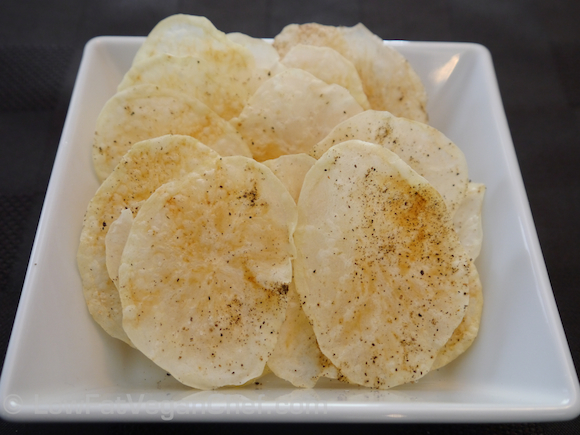
Fat Free Potato Chip Recipe

April 14, 2013 by Veronica Grace 42 Comments

Fb-Button

Hands up how many people like eating crunchy snacks? What about potato chips? Mhmm that’s what I thought! You love potato chips, but wonder how you can eat them as part of a healthy diet. I love crunchy things and sometimes you want the crunch of a chip, but without all the excess fat and calories. Sure you can buy some baked or popped chips at the store, but they’re quite pricey and fairly bland. Not to mention not exactly “fresh”.


As a society we tend to overeat on packaged snack foods because they are so easily available everywhere and in such large quantities. Why not try making some of your own favorite snacks and keep them totally healthy?

In fact after making your own healthy snacks you might appreciate the amount of labor and love goes into making them. So hopefully you won’t just devour them in a few minutes, but savour your hard earned tasty snack! (At least I hope so…)
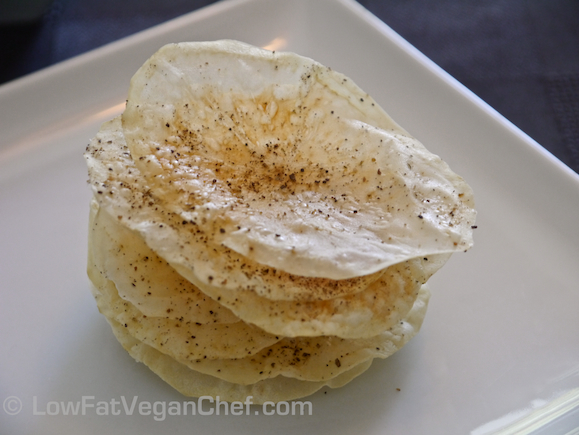
For this fat free potato chip recipe you will need a mandolin or a V-slicer. Something that you can slice a potato on very thinly. Also please be careful and use the vegetable holder/guard that comes with your slicer, or use some safety gloves so you don’t slice your finger. Personally I have never had a problem using these devices. Just go slowly and be aware of your fingers and you will be fine.

You’ll also require a microwave oven and a roll of parchment paper. Or you can get something like “Top Chips” on Amazon that includes a slicer, spices and a microwaving tray.
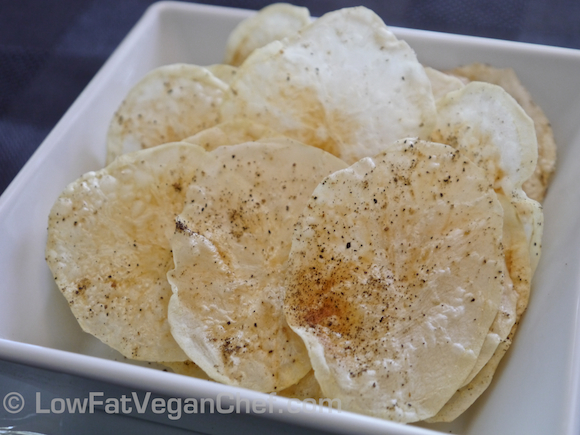


Microwaved Fat Free Potato Chips

Makes 70-80 chips Total time: 45-60 minutes

1 large russet potato
Salt and/or pepper to taste

Directions:

1. Fill a medium bowl with water and peel the potato.
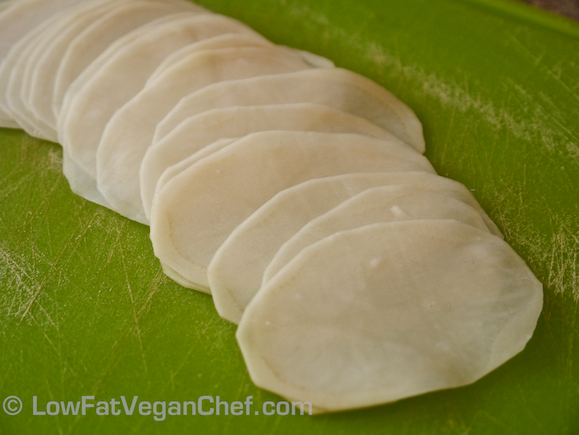
2. Using a mandolin slicer on the thinnest setting, slice the potatoes.
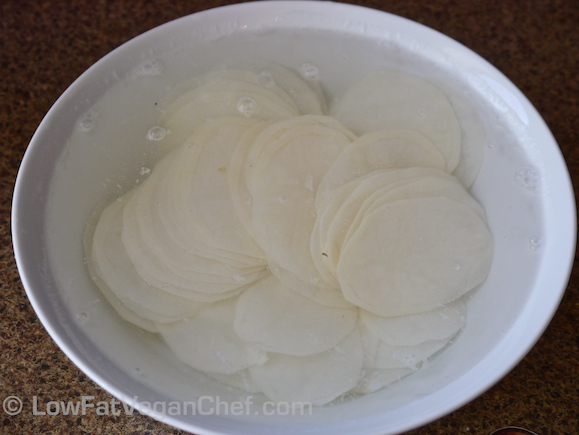
3. Place the sliced potatoes in the bowl of water to prevent browning and remove excess starch.
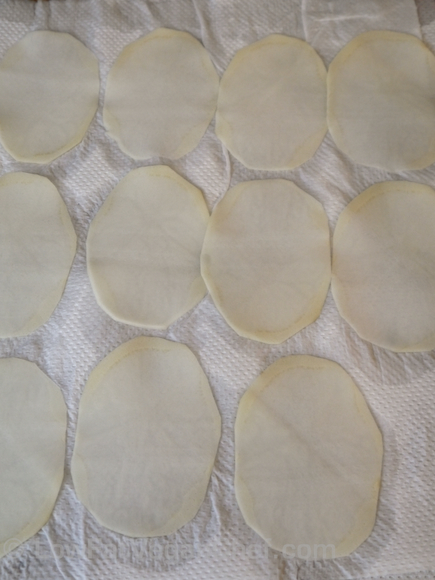


4. Dry potato chips thoroughly with paper towel or a tea towel.
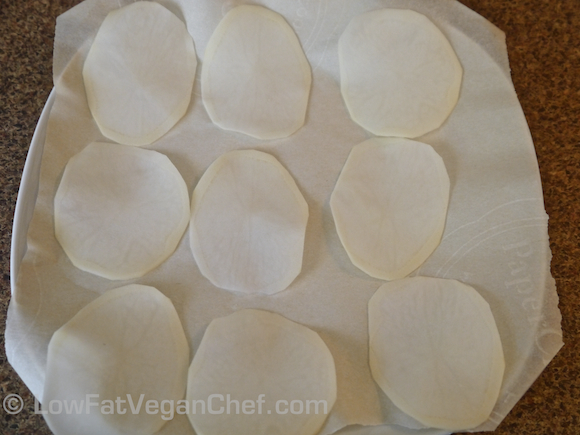
4. Line two large plates with a sheet of parchment paper (essential so the potatoes don’t stick) and place enough potato slices on it to cover (about 9). Make sure none overlap.

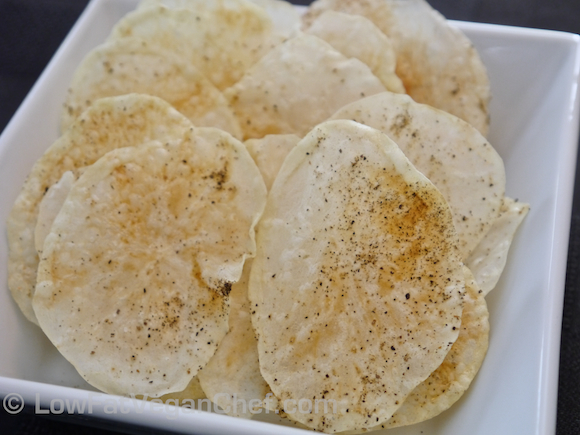
5. Mix salt, pepper and any other seasonings together in a bowl and sprinkle seasonings very lightly over the chips with your fingers. Go easy at first and taste test your first batch to know if you need more or less seasoning on the next.

6. Microwave one plate of chips at a time on high for 3-6 minutes (depending on the strength of your microwave). Watch them after 3-4 minutes and stop the microwave when they turn a golden brown in the centre. (My low powered microwave took about 5 minutes)

7. Use oven mitts to remove the plate from the microwave (it’s very hot!) and let cool a few minutes (before removing the chips from the parchment).

8. Remove the chips and set aside in a bowl or dish and repeat this process until all of your potato slices have been cooked (using the correct cooking time for your microwave).


9. Chips will harden after they cool down and become crispier. Eat when cool and crunchy!

Safety Note:

Please make sure to use oven mitts as the plates will be very hot. Also don’t microwave chips back to back for the entire amount, let the microwave have a little break after every 3 plates of chips. I overheated my microwave on the fourth plate and it turned off as a safety precaution.

Additional Tips:

Extra chips can be stored in an air tight container. Eat soon as they can go stale as there are no preservatives.

Use a large potato. The chips shrink significantly after cooking and if you start with a medium potato you’ll end up with small chips.

To Make Fat Free Oven Baked Potato Chips:

Preheat oven to 450 degrees. Use a baking pan lined with a non stick silicon mat or a sheet of parchment paper. Place cleaned and dried potato slices on the mat/sheet and season. Bake for 15-17 minutes until golden and crispy. Cool before eating.

Additional Seasoning Ideas:

Chipotle chili powder and salt

Salt & Vinegar

Curry powder and salt

Garlic powder, onion powder, salt and pepper

Grind your favorite herbs or mixes like Herbs De Provence or Italian Seasoning to a fine powder and mix with salt for herbed potato chips

Nutritional Information: Entire recipe (without seasonings) Calories 254.7 Total Fat 0.2 g Saturated Fat 0.2 g Polyunsaturated Fat 0.2 g Monounsaturated Fat 0.0 g Cholesterol 0.0 mg Sodium 58.7 mg Potassium 1,502.2 mg Total Carbohydrate 58.0 g Dietary Fiber 8.8 g Sugars 4.2 g Protein 6.2 g


And no the microwave does not cause cancer,  nor does microwaved water kill plants.

What seasonings do you like on your potato chips?

Filed Under: Cooked Vegan Recipes, Engine2Diet, McDougall Program, Snacks Tagged With: cooked, crispy, crunchy, fat-free, gluten-free, homemade, microwaved, nut-free, oil-free, potato chip, soy-free, vegan

Bun Chay (Vegetarian Vietnamese Vermicelli Herb Noodle Salad)

March 24, 2013 by Veronica Grace 15 Comments

Fb-Button

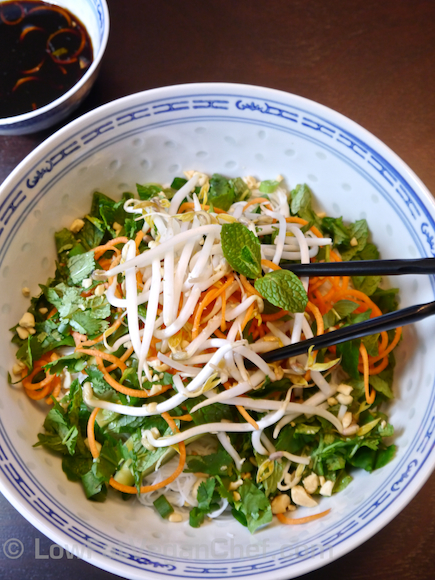
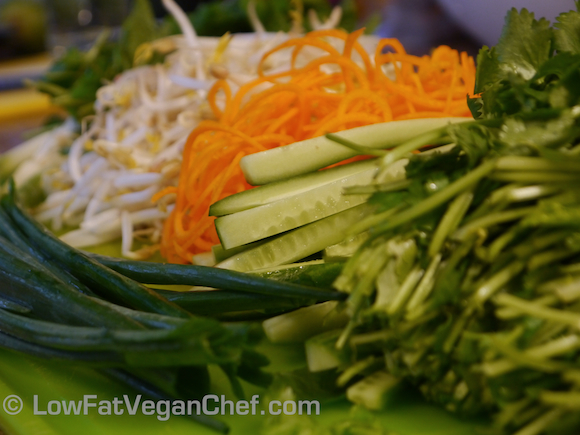
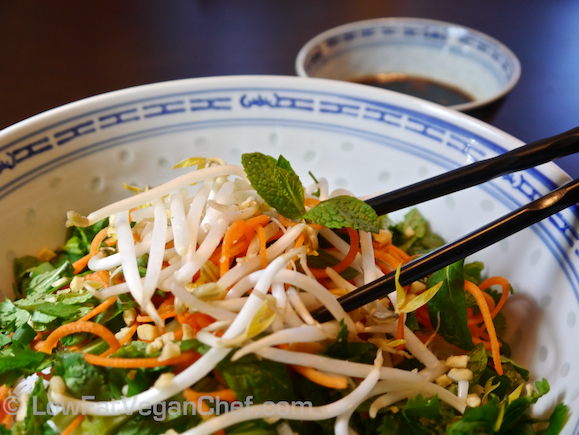
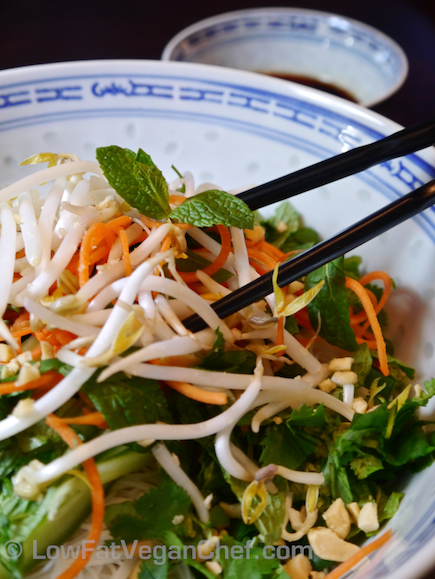
I love how fresh and light vegetarian Vietnamese food is. Vietnamese dishes don’t tend to be very vegan friendly because many items have chicken stock or fish sauce in them, so you may not always be able to find something that is truly vegan at a Vietnamese restaurant. Bun Chay is a vegetarian vermicelli noodle salad seasoned with fresh herbs, bean sprouts and Nuac Chom (a fish based sauce.)

So I wanted to show you how you can make Bun Chay totally vegan at home. This is a really fun and impressive recipe to make for one, or even a dinner party. If you can slice some veggies and toss them together to make a regular salad, trust me you can make this! It’s super easy and fresh and you can customize it with your favorite vegetables or proteins like tofu or tempeh as well.

This salad also keeps well and can be taken to work for a healthy lunch (just make sure to keep the dressing separate). If you’re longing for a recipe to mix up your salad routine, this is it! It’s very low in fat, as well as filling. I hope you like it!

Bun Chay (Vegetarian Vietnamese Vermicelli Herb Salad)

Serves 4

Salad:

250 g/8.8 oz package of rice vermicelli noodles (thin)
1 carrot, peeled and shredded or spiralized
2 Persian/small seedless cucumbers, julienned
1-2 cups fresh mung bean sprouts
1 cup fresh cilantro leaves, chopped
1 cup fresh mint leaves, chopped and/or 1 cup Thai basil leaves, chopped
4 green onions, thinly sliced
1/4 cup peanuts, crushed *optional

Vegan Nuac Cham (Sauce for Bun Chay):

1/4 cup lime juice (1 1/2 large limes)
1/4 cup vegetarian fish sauce (see recipe here)
1/3 cup hot water
1 tablespoon rice vinegar
3 -4 tablespoons granulated sugar
1 garlic clove, minced
1/2 – 1 thai chili, finely chopped *optional
2 tbsp shredded carrot *optional

Directions:

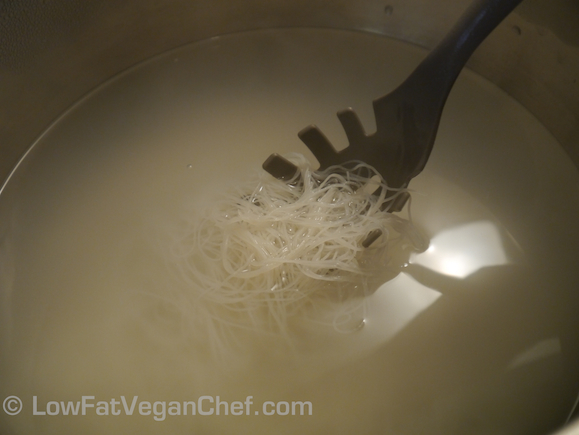
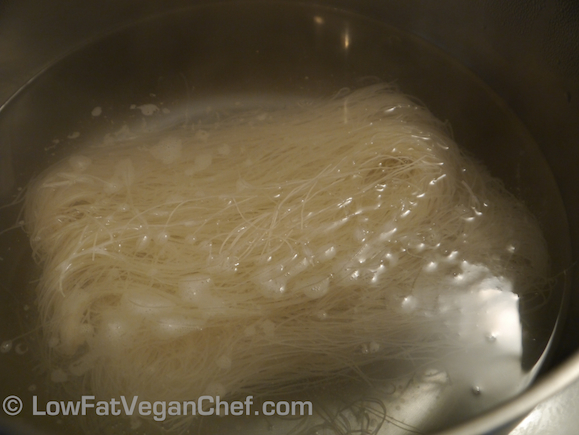
1. Bring a large pot of water to a boil. When boiling, turn off the heat and add the noodles and stir to break up.

2. Let noodles sit for 2 minutes.

3. Drain noodles and run in cold water to shock them. Drain in a colander.

4. Prep veggies.

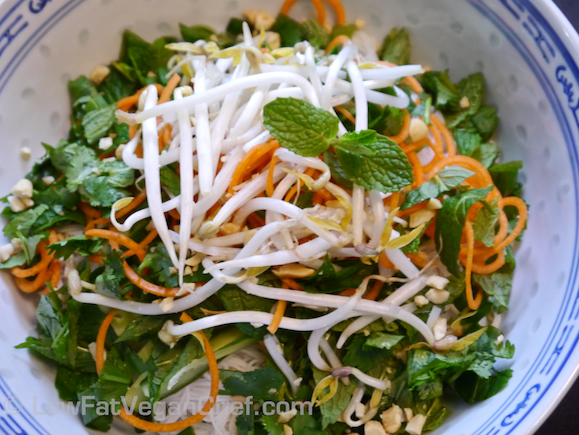
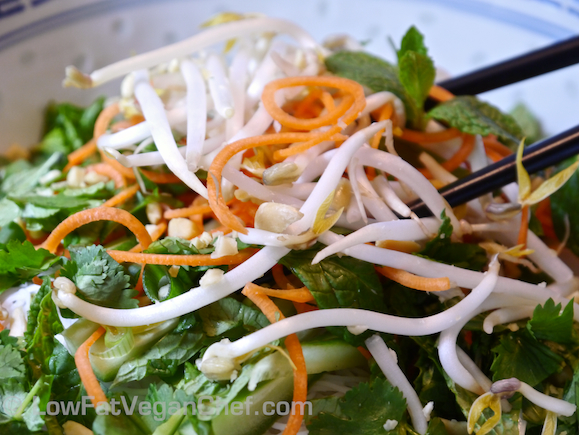
5. Arrange noodles in serving bowls. Garnish with carrots, cucumber, chopped herbs, mung beans and peanuts.

6. Combine ingredients for Nuac Cham sauce in a bowl and whisk until sugar dissolves. (You want it to be strong tasting as the noodles are bland and will soak up the flavor.)

7. Serve Bun Chay with a side of Nuac Cham. Pour sauce over it and toss well to combine.

Additional Tips:

Please note that Thai basil has a very different taste than regular Italian basil, so if you cannot find it, please use mint and cilantro (coriander) instead. Thai basil has green and purple tipped leaves and has a very exotic flavor.

I used a Japanese turning slicer to spiralize my carrots. I find them prettier this way instead of just shredding them. This is what I used.

If you can’t find Persian/Iranian (mini seedless cucumbers) use English cucumbers.

Make sure to put lots of herbs in this salad as it will be very mild tasting, you get most of the flavor from the Nuoc Cham sauce and the herbs. Otherwise it will mostly be rice noodles, carrots and bean sprouts.

If desired you can serve it with some hoison sauce (I tend to avoid as it has msg) or Sriracha hot sauce. You can find these at Asian stores and sometimes regular grocery stores as well.

Have you ever had Vermicelli salad or “Bun” before? What did you think of it?

Filed Under: Cooked Vegan Recipes, Dinner, McDougall Program, Thai, Vietnamese Tagged With: Asian, basil, carrot, cilantro, cooked vegan, cucumber, mint, peanut, Rice Noodle, salad, Vermicelli, Vietnamese

Jeff Novick on the Myth of Moderation Pt 1: Do All Foods Really Fit?

February 11, 2013 by Veronica Grace 1 Comment

Fb-Button

I love watching presentations by Jeff Novick. First he always presents great information that challenges the beliefs of the mass public and secondly he is very engaging and entertaining while doing so. I also highly recommend his lecture From Oil To Nuts: The Essential Facts About Fat Oils. You can watch a free section of it on YouTube, but it’s definitely worth getting the whole lecture on DVD. He also has a short excerpt from Going Nuts Over Nuts his 2012 lecture on YouTube.

One of the objections I often hear from readers and friends about a low fat vegan diet, is that everything in moderation is ok. They argue that oil, sugar, meat, dairy etc. should be fine in moderation and that an oil free low fat vegan diet sounds too extreme.

The problem with “moderation” is that it’s sure hard to moderate your intake when we are surrounded by food at home, at the store and restaurants, where it’s difficult to be aware of just how much of one thing you are taking in. We don’t have regular lean times in the winter anymore. We don’t need to load up on fat to keep warm for the winter and make it through on less.

Most of us in fact will never willingly skip a meal or even a snack, because the media tells us it’s bad to skip breakfast and we have a tendency to not just eat when we’re hungry, but when we’re bored or celebrating as well.

So is it even possible in a world of abundance to self regulate this moderation? I think it would be quite difficult. And though it sounds extreme, aiming to have zero oil or animal products in your diet gives you a better chance of having low amounts of these foods in your diet, as opposed to too many. If you regularly opt to eat these foods you will inadvertently consume high amounts over the week or month as it adds up. The only way to truly avoid certain foods 100% is by making all of your food every day from scratch and I doubt that many of us are doing that on a weekly basis, let alone for the rest of our lives. So that’s why I make oil free vegan recipes and aim for no oil, no meat, no dairy. Because occasionally when I do eat out, it’s a guarantee there’s going to be some extra oil or fat in that dish and I don’t know how much of it there is.

Let’s hear what Jeff Novick has to say on moderation.

The Myth of Moderation Pt 1: Do All Foods Really Fit?


From Jeff Novick’s website

So if you like to consume everything in moderation, how can you be sure you are consuming the proper amounts of fruits, vegetables, water and getting enough vitamins, minerals and fibre? It’s very difficult to consume enough fresh fruits and vegetables and whole grains every day when you start trying to add in meat, cheese, oils, alcohol desserts and snack foods every day.

Has any of this information changed your perception of moderation? Discuss.

Filed Under: Articles, McDougall Program Tagged With: from oil to nuts, is olive oil healthy, jeff novick, low fat vegan diet, myth of moderation, oil free diet, oil to nuts, oil-free

Inspirational Vegan Documentaries Review on Netflix

January 23, 2013 by Veronica Grace 5 Comments

Fb-Button

I’m down in Texas right now (hiding from winter)and getting some sunshine. I brought my handy little apple tv device with me and have been watching Netflix documentaries lately.

I have to say how thoroughly impressed I am that Netflix (in the USA at least) has tons of awesome documentaries to choose from that are well done and inspirational.

In these documentaries they show that anybody no matter who they are can make a change and start on the path to a plant based diet. And when you have full access to information like this for one low price on Netflix, you really can’t go wrong.

If you don’t have Netflix you can watch some of these documentaries online or probably rent them on iTunes. I’ve also provided their websites so you can get more information on them as well.

Here is a list of the documentaries I HIGHLY recommend you check out if you’re looking for some entertainment style education and inspiration to get on track with a healthy diet.

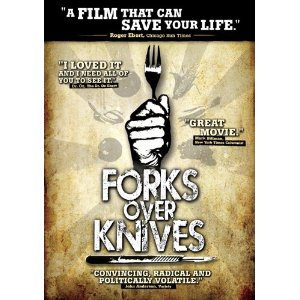
Forks Over Knives

www.ForksOverKnives.com – website features some of my recipes and many other oil free plant based recipes as well.

This is a great documentary because it features both interviews from heavy hitters such as Dr. John McDougall, Dr. T Colin Campbell, Dr. Caldwell Esselstyn and Dr. Pam Popper and follows 3 people who are led by Dr. Matthew Lederman in eating a whole foods plant based diet to regain their health, get off medication and lose weight.

This film is jam packed with great information about how you can lose weight, cure type 2 diabetes, cancer and heart disease with a low fat plant based diet.

It is a very easy to watch film and I suggest your family and friends watch this (if you can manage it). There’s no vegan propaganda or animal rights focus, it’s all about eating plants for health and how it works.

This film alone got my family on board of accepting my vegan eating habits and understanding why I wanted to be in the business of teaching people how to eat healthy. So I think it’s very important to share this message and I highly recommend this film to anyone and everyone!

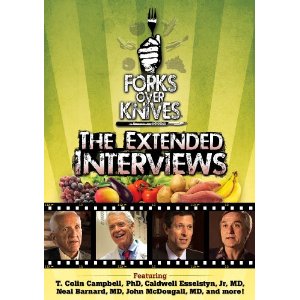
Forks Over Knives The Extended Interviews

This is also highly recommended! You get the full interviews that went into this film and more detailed answers.

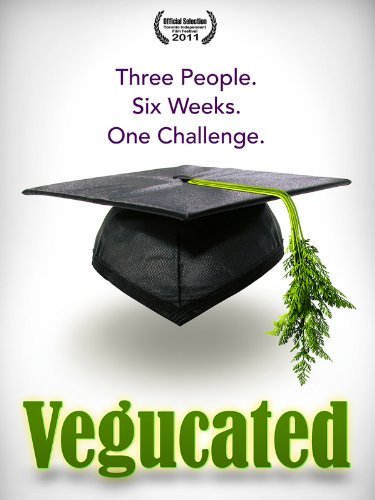
Vegucated

http://www.getvegucated.com

This is actually a very entertaining documentary to watch by Marisa Miller Wolfson. She creates a social experiment where 3 individuals from New York (who don’t think they could ever be vegan but are curious to try it) are educated in veganism and shown how to eat for 6 weeks. They are extremely skeptical in the beginning and you get to watch them through their growing pains of this lifestyle. They get a health checkup from Dr. Joel Fuhrman before and after their 6 week journey with some pretty good results.

Initially, I did not expect to be as impressed with this film as I was. I don’t teach the ethical side of veganism because I feel it is such a personal choice for people, but the way it was depicted in this movie was very touching. Becoming vegan and eating vegan made such sense to these 3 individuals at the end of this movie they couldn’t even imagine not continuing. It resonated with them at such a deep level. In the end they felt better, they understood factory farming and they found a way to make the diet work for them.

I highly recommend this film for you and your friends or family to watch because it covers many of the struggles of eating out or eating with family and really shows you how you can be successful and happier with food choices.

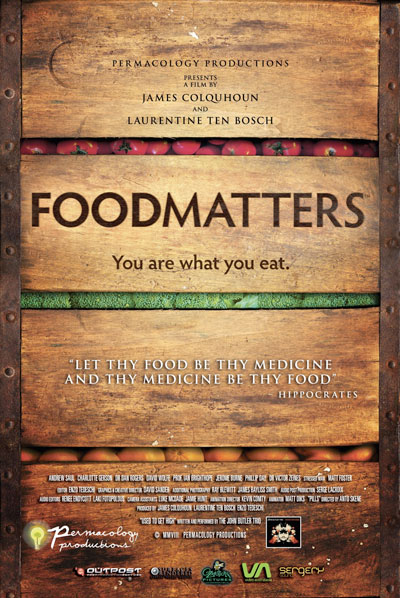
Foodmatters

http://www.foodmatters.tv


This documentary is mainly compiled with interviews from health experts and leaders such as Andrew Saul, Ph.D., Charlotte Gerson (The Gerson Therapy) Dr. Dan Rogers and David Wolfe. They recommend a high raw plant based diet for optimal health and disease prevention.
It makes a great case for using diet as therapy for reversing serious chronic diseases and talks a lot about cancer and how people can use diet and vitamin therapy to cure it. If cancer affects you or anyone in your family you should watch this movie!

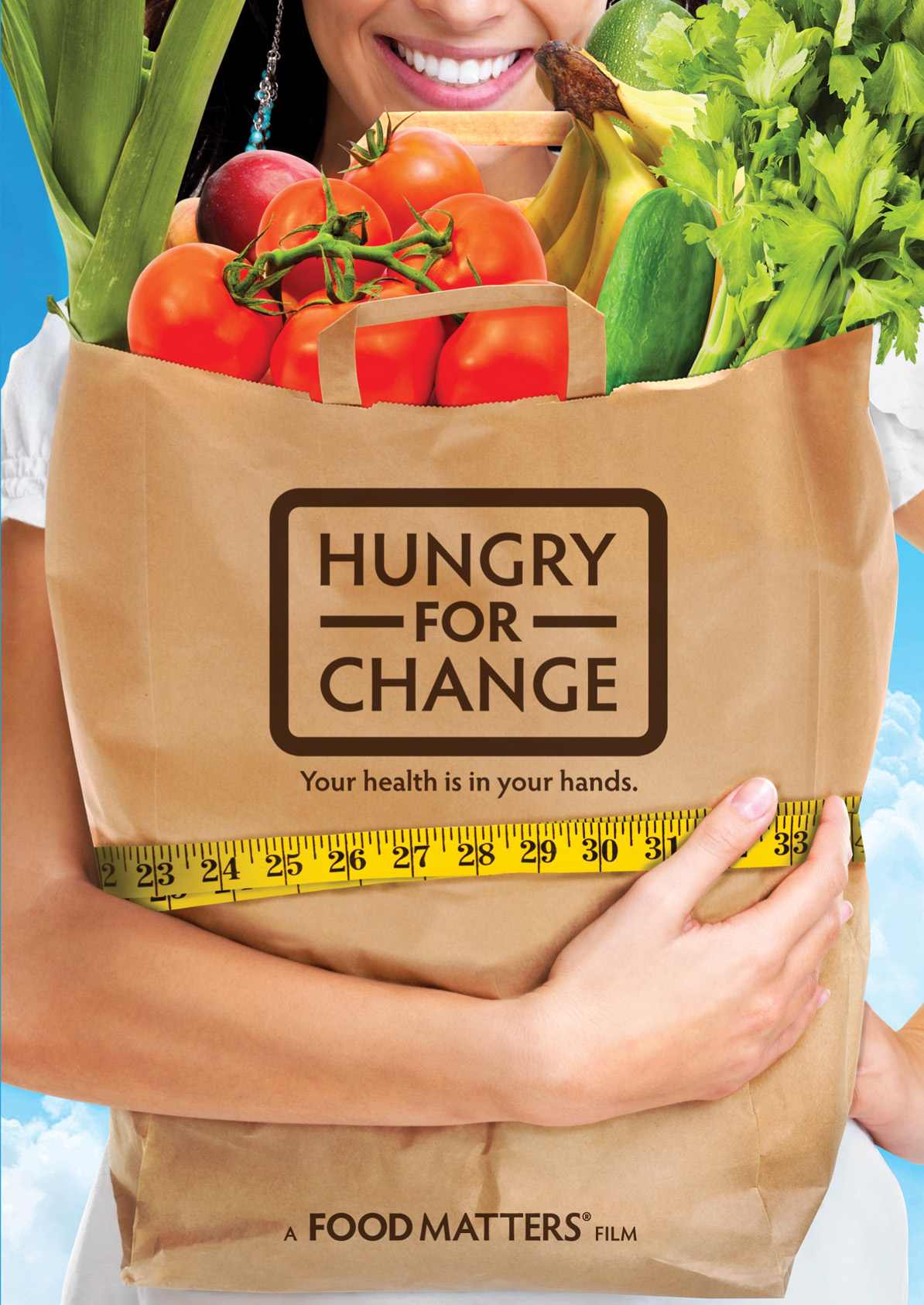
Hungry For Change

http://www.hungryforchange.tv

This film focuses on a lot of individual interviews with health leaders such as Mike Adams (Natural News), David Wolfe, Daniel Vitalis, Dr.Mercola, Kris Carr (Crazy Sexy Cancer) and more.

While it does not talk about a vegan or vegetarian diet, it does recommend a whole foods based diet and living a natural lifestyle. Even though I don’t necessarily agree with all of the leaders’ personal lifestyles in this video, it is still a good documentary to watch and if you’re unfamiliar with some of them.

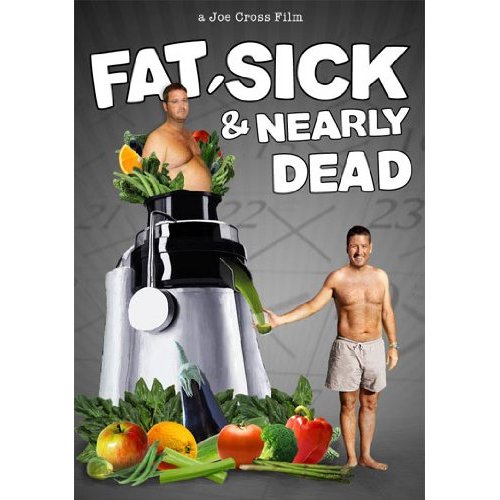
Fat Sick & Nearly Dead

http://www.fatsickandnearlydead.com

Joe Cross a native Australian, wants to turn his life around and go on a 60 day juice fast in the land of the hamburger (the USA).

He starts out getting some tests from Dr. Joel Furhman and with a goal to lose weight and cure his debilitating skin rash he’s had for 9 years that no previous doctor could cure. He goes on a road trip across the states shopping at farmer’s markets and grocery stores along the way and makes juice in the back of his SUV. He spends a lot of time interviewing people about their current diet and lifestyle and why it’s hard for them to change.

Joe also encourages a woman he meets (who is a wife and mother) to go on a 10 day juice fast and check in with him on her progress. Half way through the film another man named Phil (who is seriously obese and has the same skin condition as Joe) also wants to go on a juice fast and see if he can save his life by making a change. The second half of the film follows his journey on a 60 day juice fast as well.

While this film is not as fast paced as some others, it does have a great message and might inspire you to go on juice fast or start juicing regularly for health benefits. Joe loses an incredible amount of weight (82 lbs) over the course of this movie (Phil loses even more) and it is quite inspirational if you feel hopeless and are looking for a fresh start!

Non Health Related Documentaries:

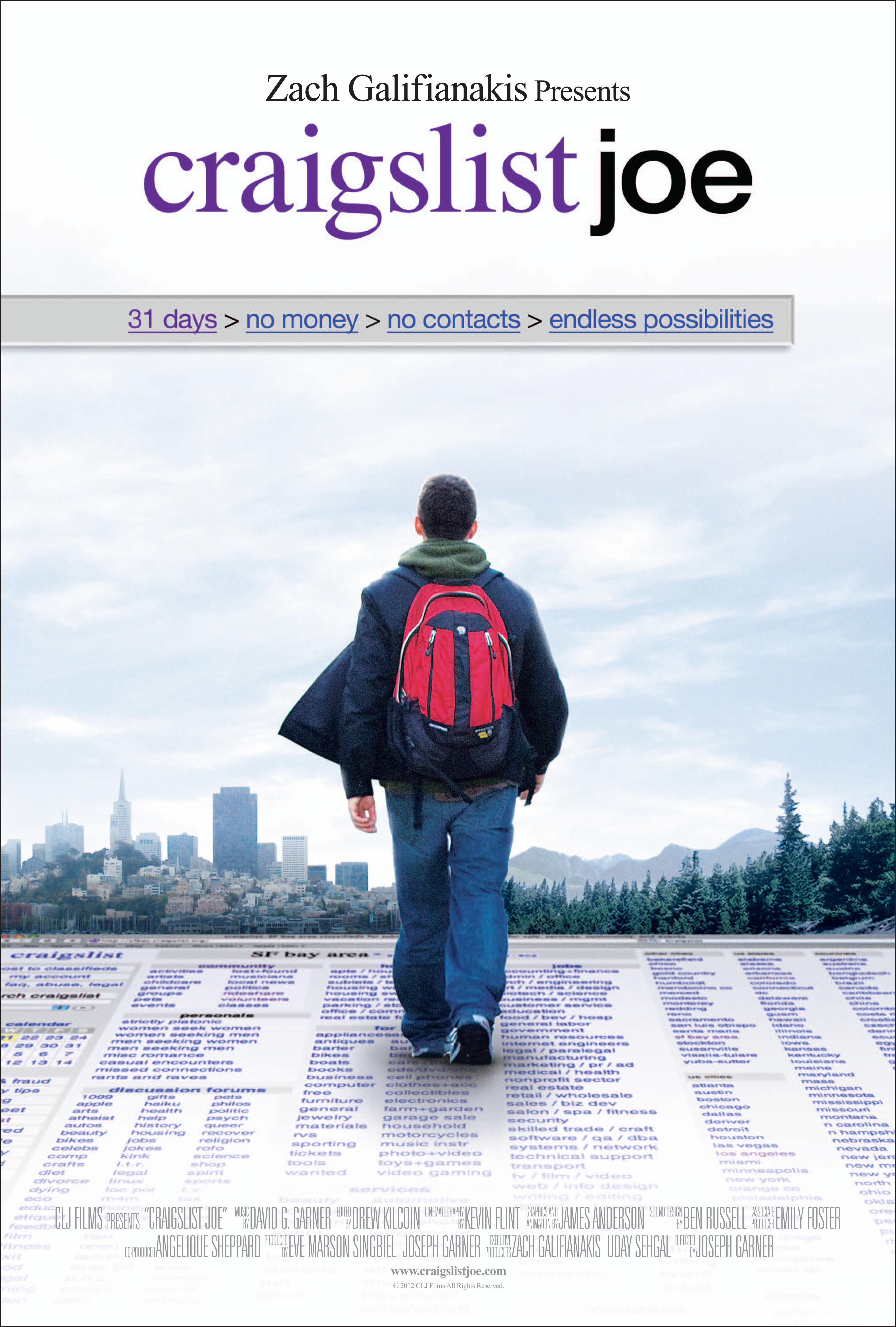
Craigslist Joe

http://www.craigslistjoe.com

This film was intriguing to me because I have used Craigslist in the past to find housing, list household items and meet friends. It follows a young man named Joe who wants to see if he can survive for 30 days on the generosity of people he meets exclusively on Craigslist.org through posting and reading other user’s posts.

He has no money and takes only his cell phone, laptop, the clothes on his back and his camera man friend and they go off on a journey across the USA.They rely on strangers for their shelter, food, transportation and companionship throughout the film.

Often Joe lends a helping hand for a meal or helps drive on a road trip and meets some really

It’s actually a really touching story about the generosity of others and how genuine people can be if you just give them a chance. It really makes you want to get out there and connect with new people because generally strangers are good at heart, so it was a pretty beautiful journey.

Inspirational juice recipe from Fat Sick & Nearly Dead. I use a Breville juicer that I got from Amazon to make my juices (nothing too fancy), but better than a cheapie juicer, so it lasts.

Mean Green Juice

by Phil Staples

Ingredients:

1 cucumber
4 celery stalks
2 granny smith apples
6-8 leaves kale
1/2 lemon
1 tbsp ginger

Directions:

Wash all the produce well

Peel the lemon (optional)

Juice, starting with the kale

Pour over ice

Enjoy!

For more juicing for weight-loss info go to: http://www.rebootwithjoe.com

I hope you’ve enjoyed these recommendations. I know so many of us watch far too much tv these days, and I think it’s important to see some quality documentaries once in a while.

Especially if you’re not the kind of person who wants to read a book or program on health, you can easily sit down for an hour and watch a health documentary instead and get informed and inspired.

If you want to jump in and get started today on a plant based diet? Check out my Low Fat Vegan Starter Kit here:

http://www.plantbasedu.com/LowFatVeganStarterKit

Filed Under: Articles, McDougall Program Tagged With: fat sick and nearly dead, forks over knives, hungry for a change, netflix documentaries, vegan documentaries, vegetated

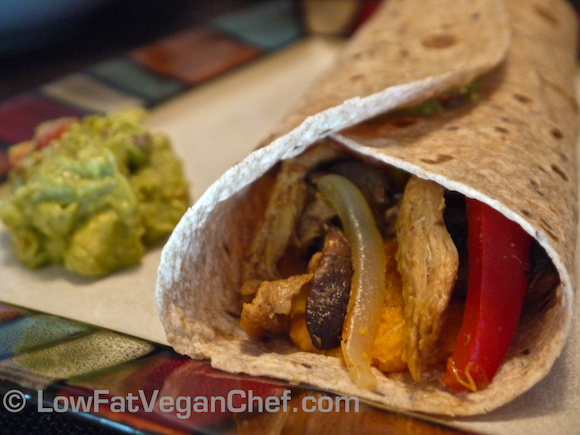
Vegan Soy Curl Fajitas With Yams (Sweet Potatoes)

January 21, 2013 by Veronica Grace 3 Comments

Fb-Button

I don’t often use “fake meat” substitutes and prefer to make almost everything from scratch.  But my favourite “just like chicken” product is Soy Curls because they do have a great taste and texture once they are seasoned.  They don’t contain a lot of ingredients, just soy and they are gluten free (and GMO free as well).

So far everything I have put Soy Curls in has turned out delicious. You really can’t screw up Soy Curls.  Essentially you take the dried product and soak it in warm/hot water for about 10 minutes to plump up and you drain them.  I like to add some salt and seasonings to them while they soak, or else they don’t taste like anything. They do need some salt to have flavor.

Then you can just sauté these dry in a pan (they taste better if you cook some of the water out) I cook them for 10-15 minutes until they seem done and have a good texture. You can then add the Soy Curls to any recipe you desire, but they taste best if you season them or put a sauce over them. See my previous Soy Curl recipe here that is one of my favorites.

If you don’t want to buy Soy Curls you can omit them and just use the veggies and yams in this recipe instead.

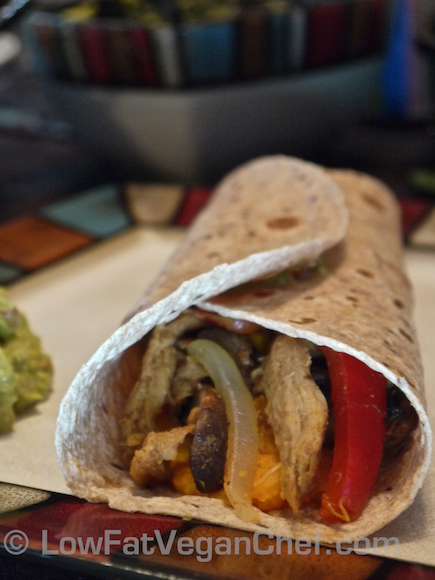
It’s also really hard to make fajitas look appetizing when you have so many brown/beige colours with the whole wheat tortillas, mushrooms, onions and Soy Curls! At least my new colorful plates help…

Vegan Soy Curl Fajitas With Mashed Yams (Sweet Potatoes)

Serves 4

Ingredients:

3 small yams (orange sweet potatoes/kumara)
Roasted cumin (I use McCormick’s) to taste
Herbamare or Sea salt to taste
Chipotle chili powder or chili powder to taste
1 1/2 cups Soy Curls (dried)
1 sweet onion, sliced
2 bell peppers, sliced
1 cup mushrooms slices
9-12 small corn or small wheat tortillas
1-2 tbsp fajita seasoning (recipe found here)

Directions:

Peel and slice the yams. Place in a pot or steamer basket and steam until fork tender. 15-20 minutes depending on size. Set aside when done.

Soak the Soy Curls in warm/hot water for 10 minutes. Season with some salt if desired (I do). Drain.

In a large non-stick skillet or wok saute the Soy Curls over medium heat for about 10 minutes. Add the mushrooms and saute for another 2-3 minutes. Add the onions and peppers and season to taste with fajita seasoning. Cook until peppers and onions are at desired tenderness (about 1-3 minutes).

Place the yams in a bowl and mash them and season to taste with cumin, salt and chipotle powder. (Don’t over season, just give it a little flavour.)

Lay out a tortilla, spread some mashed yams and add the fajita ingredients.

Serve with guacamole or salsa if desired.

Repeat with remaining tortillas.

Additional Tips:

For warm tortillas you can microwave them for a few seconds until warm or heat them in an oven wrapped in tinfoil on low while you prepare your ingredients.

Feel free to add other veggies as desired like zucchini or carrots. Cook longer if necessary.

Soy Curls can be cooked a lot without burning because they are so moist so keep cooking them until your vegetables are at desired tenderness.


What are your favorite ingredients in veggie fajitas?

Filed Under: Cooked Vegan Recipes, Dinner, McDougall Program, Mexican Tagged With: bell peppers, fajitas, mexican, mushrooms, onion, seasoning, soy curls, sweet potatoes, tortillas, vegan, yams

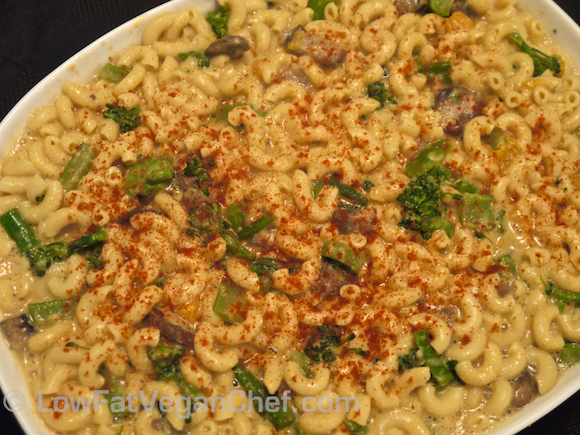
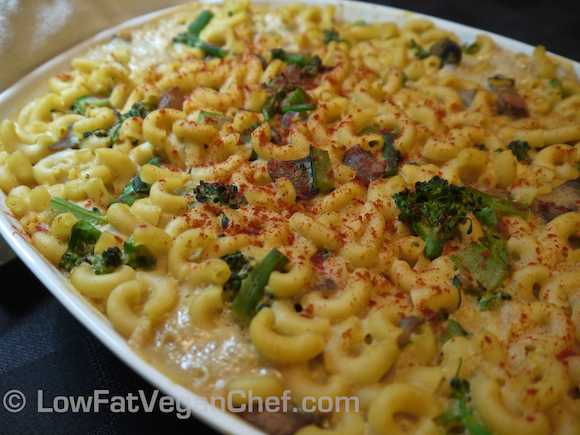
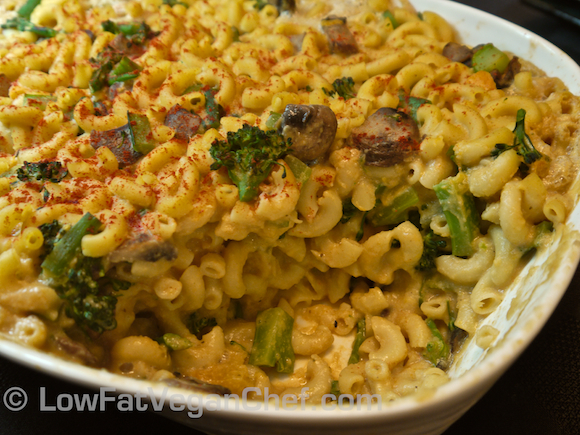
Vegan Baked Butternut Squash Macaroni and Cheese with Broccoli and Mushrooms

December 27, 2012 by Veronica Grace 16 Comments

Fb-Button

Sometimes I like to play around with my own recipes and change them up for variety! This is a different spin on my Low Fat Vegan Baked Butternut Squash Mac & Cheese. This time I’ve left out the panko breadcrumbs so you can see all those lovely vegetables inside!

I’ve added lightly steamed broccolini/brocolette (a milder form of broccoli) and sautéed mushrooms to the mix!

So now not only is this probably the healthiest baked mac and cheese ever (cuz it’s oil free, cheese free and gluten friendly) but it’s packed full of nutritional powerhouse vegetables such as butternut squash, garlic and onions (used in the sauce) and broccoli and mushrooms.

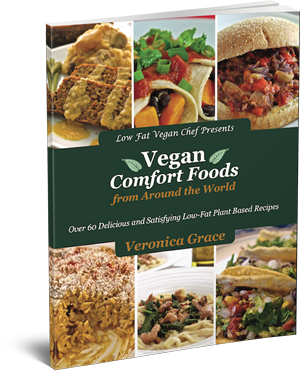
This is just one of 60 delicious recipes in my Vegan Comfort Foods From Around The World recipe ebook.

I’m sure kids would love this recipe too because the veggies are fairly mild tasting and covered in sauce!

Vegan Baked Butternut Squash Macaroni and Cheese with Broccoli and Mushrooms

adapted from my Baked Butternut Squash Mac & Cheese in Comfort Foods From Around The World

Note: Because I added vegetables to this recipe, the flavor of the sauce needs to be enhanced so I increased the amounts of seasonings.

Serves 6

Ingredients:

½ medium butternut squash (or 1 2/3 cups cooked and mashed)
16 oz./454 g package elbow macaroni or spirals (for GF use Tinkyada brown rice pasta for best results)
1/4 – 1/2 tsp. salt (*optional for pasta)
1 cup broccoli florets, chopped into little pieces
1 cup mushroom slices, chopped
1/2 – 3/4 cup vegetable broth (for cooking)
1 large onion, diced
4 cloves garlic, minced
3 – 4 tsp. brown rice miso (use a lot more if using shiro/white/yellow miso)
3 cups almond milk (unsweetened original)
2 tbsp. flour or cornstarch
3/4 cup nutritional yeast flakes
1/2 tsp. black pepper
1 – 1 1/2 tsp. smoked paprika
3/4 – 1 tsp. salt (*optional for sauce)

Topping:
1/4 tsp. smoked paprika

Directions:

1. Peel and cube the butternut squash and bring to a boil and steam just until soft. Alternatively you can cook in a pressure cooker at high pressure for 5-7 minutes. Drain well. (Tip, if your squash is hard to peel or cut, pop it in the microwave for 3-4 minutes to soften the skin to make it easier to slice.) Measure out 1 2/3 cup of mashed squash and set aside.

2. In a large pot, bring water to a rolling boil and then add salt if desired. Add pasta and cook just before tender (about 2 minutes less than package directions). Generally it’s about 5 minutes. Drain well in a colander and rinse in cold water. (Do not overcook the pasta.)

3. In a non-stick pan, saute mushrooms in 1/4 cup of water over medium high heat for about 5 minutes. Add the broccoli and a little more water and cook for about 2 minutes. Remove from heat, drain and set aside.

4. Preheat oven to 350 F/ 177 C.

5. In a large saucepan heat vegetable broth over medium heat and add the onions. Cook for 5-6 minutes until tender adding broth when needed to prevent burning.

6. Add cooked onions and any remaining broth from pan into Vita-Mix or food processor, add mashed squash, 1 cup almond milk and miso and blend until combined. Set aside.

7. In the same large saucepan add 1 cup of the almond milk and sprinkle 1 tbsp. of the flour or cornstarch when hot and whisk in. Add the remaining 1 cup of milk and sprinkle in another tbsp. of flour. Whisk this together fast. It’s ok if there are a few small bits of flour still.

8. Cook the sauce for a minute or two until hot and quickly add the squash mixture and whisk in. Heat through another minute or two and then add the nutritional yeast and whisk in. Turn off heat and add remaining seasonings starting with the lower amounts. Taste test and add additional seasonings to your liking.

9. Add drained pasta and mushrooms and broccoli to sauce pot and stir to coat. Spread out in a casserole dish. (If you want to add some vegan cheese like Daiya cheese you would layer some in now and mix it in, but I don’t feel the need to add it personally.)

10. Bake for 20-30 minutes just until pasta is tender. (20 minutes if you slightly overcooked your pasta, 30 minutes if you didn’t)

11. Serve.

Additional Tips:

To save time you can use frozen cubed butternut squash and then cook it and mash it, or use canned butternut squash. Both are sold at health food stores in North America.

Smoked paprika (also called Spanish Paprika) is much more flavourful than traditional paprika, it lends a nice smokey flavor to this cheesy sauce. McCormick makes one, or you can get it at some ethnic or Indian markets.

Brown rice miso paste is the best for this recipe, is has a stronger tangier flavor than the lighter misos. This is what gives the sauce a tangy cheezy flavor. If you don’t use it your sauce will not taste like a cheese sauce.

If you’d like a runnier mac and cheese you can add an extra 1/4 cup of almond milk to the sauce, but you’ll need to add some more seasonings to readjust the flavor.

Have you ever made an oil free, cheese free mac and cheese recipe? What did you use? 

Filed Under: Casseroles, Cooked Vegan Recipes, Dinner, McDougall Program, Pasta Tagged With: almond milk, broccoli, butternut squash, cheezy sauce, cooked, gluten-free, mac & cheese, mac and cheese, macaroni and cheese, mushrooms, pasta, soy-free

Vegan Quinoa Chickpea Pilaff

November 26, 2012 by Veronica Grace 18 Comments

Fb-Button

Quinoa is all the rage now, and so are quinoa salads and pilaffs. There are hundreds of ways to season quinoa and you don’t have to just eat it plain on the side. If you find cooking quinoa properly still a challenge, check out my post How To Cook Quinoa Perfectly to make sure your next batch turns out amazing.

This time I decided to mix things up and make my quinoa a little different. A heartier side filled with chickpeas, carrots, onions and celery. This would work as a warm side dish, a cold salad, or you can make it a meal by adding some sautéed tofu, tempeh or soy curls on top as well.

To get those pretty colours I used both white and red quinoa in this dish. Feel free to use either, I just like the look of multicoloured quinoa for some variety. This recipe makes a lot so it’s great for leftovers you can keep in the fridge or freezer for a quick meal or snack later on as well.

Quinoa Chickpea Pilaf

 
Serves 6

Ingredients:

1 1/2 cups quinoa (I used 1 cup white and 1/2 cup red)
3 cups/709.76 ml low sodium vegetable broth
1 large onion, diced
2 cloves of garlic, minced
1 large carrot, diced
1 stalk of celery, diced
1 15 oz./425g can of chickpeas
2-3 tbsp low sodium soy sauce (or GF tamari)
2 tsp roasted cumin (ground)
1/2 tsp roasted coriander (ground)
1/4 tsp chipotle chili powder
2 tsp Trader Joe’s 21 Seasoning Salute (or other salt free seasoning mix) *optional

Directions:

1. Sauté the onions, carrots and celery in 1/2 cup of broth for 5 minutes. Add the garlic and sauté for a minute and add the chickpeas.

2. Add remaining broth to a medium pot, quinoa, seasonings and saucepan ingredients. Bring to a boil and then reduce heat to medium low (about 3 on the burner) and cook covered for 25 to 30 minutes until quinoa is cooked. (If you put it on very low, or 1, it probably won’t have enough heat to cook the quinoa because of the other ingredients.)

3. Stir as required to prevent sticking at the bottom.

4. Fluff with a fork before serving.

Have you ever had a quinoa pilaff? What’s your favorite way to season quinoa?

Filed Under: Cooked Vegan Recipes, Dinner, Eat To Live - Dr. Fuhrman Recipes, McDougall Program, Side Dishes Tagged With: Carrots, celery, chickpea, fat-free, gluten-free, pilaf, quinoa, salad, side dish, soy-free, sugar-free

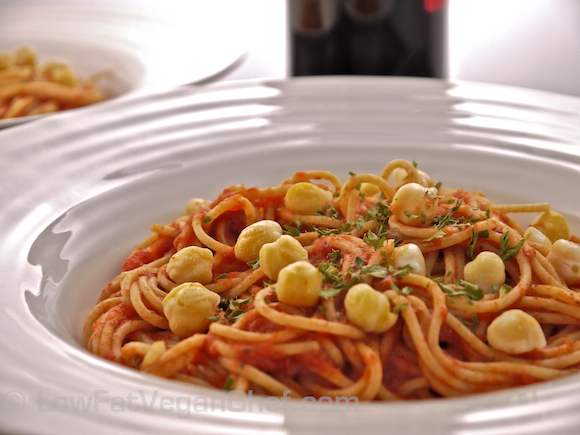
Fat Free Vegan Spaghetti Marinara With Chickpeas

November 25, 2012 by Veronica Grace 9 Comments

Fb-Button

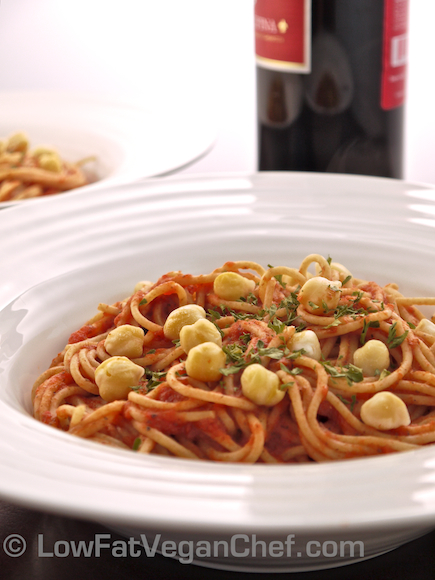
So this is a recipe I made one day when I wasn’t sure what to throw into the spaghetti… I thought why not try a bit of chickpea for something to chew on. The results were not bad, but you definitely need a lot of sauce to add some flavour.

I used whole wheat pasta in this recipe, you can use gluten free or another variety if desired as well. Feel free to add some chopped steamed veggies to your marinara sauce as well if desired.

I just thought this vegan spaghetti recipe was too pretty not to share!

Low Fat Vegan Chef's Fat Free Vegan Spaghetti With Chickpeas

Spaghetti and Chickpeas With Marinara Sauce

Marinara Sauce:

Yields 50 oz/1.5 L of sauce

1 large onion, diced
5 cloves of garlic, minced
5 cups canned tomatoes, diced whole or crushed (about 3 14 oz/396 g cans)
1 6 oz./170 g can tomato paste
3 tbsp sugar or sweetener (or as desired)
2 tsp dried oregano
3 tsp dried basil

Spaghetti:

1/2 box whole wheat or gluten free spaghetti
1/2 15 oz. can of chickpeas, drained

Directions:

1. Fill a large pot with cool water and bring to a boil. Add salt if desired and then add pasta and cook until desired tenderness.

2. Meanwhile prepare the pasta sauce. In a large non-stick skillet or saucepan add the onions and sauté for 2-3 minutes. Add the garlic and sauté another minute or two. Add the tomatoes and seasonings and cook for 5-8 minutes until the tomatoes break down a little. Add sauce to a Vita-Mix, food processor or blender and then blend until smooth. Return to pan to keep warm.

3. When pasta is cooked, drain and then combine with the pasta sauce. Use whatever pot is bigger and toss the pasta with the sauce.

4. Plate and then garnish with chickpeas and additional basil if desired.

What’s your favorite addition to vegan spaghetti?

Filed Under: Cooked Vegan Recipes, Dinner, McDougall Program, Pasta Tagged With: basil, chickpeas, fat-free, gluten-free, marinara, noodles, nut-free, pasta, soy-free, spaghetti, tomatoes

Quick and Easy Dr. McDougall Program Dinner Meal Ideas

July 2, 2012 by Veronica Grace 54 Comments

Fb-Button

Eating a whole foods plant based diet doesn’t have to be hard or time consuming.  It can be very cheap, quick and satisfying, but you need to be able to design a meal that will at least give you enough calories and be enjoyable to eat to succeed in the long term.

Dr. John McDougall has come out with a new book in 2012 called The Starch Solution: Eat the Foods You Love, Regain Your Health, and Lose the Weight for Good! and he talks about why starch is the best food to base a healthy plant based diet on. Cultures all over the world are thriving on a predominantly plant based high starch diet, whether in the form of potatoes, white rice, pasta, or corn (maize, not yellow sweet corn), supplemented with green and yellow vegetables and some fresh fruits.


Starch is a complex carbohydrate, so it is a slower releasing carbohydrate compared to fruit. When you eat starches they take longer to digest and so you get some energy right away and some later. This is why a meal including mashed potatoes or pasta can be so satisfying and keep you full for a long time. If you get the majority of your energy from whole food starches you will find it very easy to lose or maintain your ideal weight.

In fact there was even a man named Chris Voigt who ate 20 potatoes a day for 60 days and lost 23 lbs! He also significantly reduced his cholesterol and his triglycerides eating white potatoes 3 times a day!

So white potatoes are not “bad” for you like many carb phobic health gurus claim.  What is unhealthy is all the butter, sour cream, cheese and bacon that people load up onto a giant jacket potato and eat ON TOP of a large piece of fatty meat and a side that has more cream or cheese in it. Often it’s just too many calories from rich animal foods. The white potato itself is not making you fat, it’s too many rich foods and too many nutrient poor calories on top of the potato.


Sure there are other starches that are higher in nutrients than a white potato, like sweet potatoes or yams, but the point is the white potato is not going to harm your health or make you fat, just the opposite in fact. Including some healthy high carb low fat foods into your daily meals will help keep you full and your waistline trim. The key is to eat smart and keep it simple!

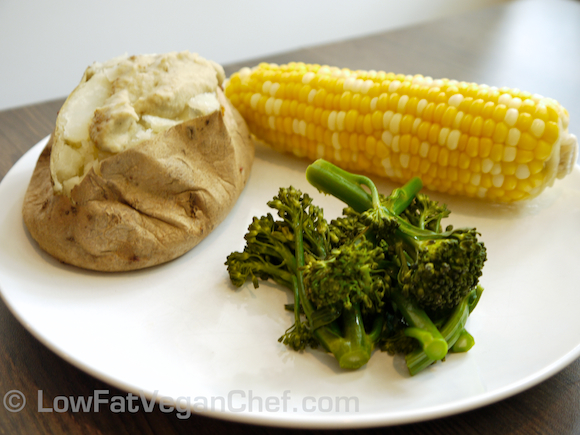
One of my basic McDougall meals is a large baked jacket potato topped with either my oil-free hummus or salsa, and an ear or two of sweet corn and a green like steamed broccoli, kale, collards, Brussels sprouts etc.

When you think about how simple and inexpensive this meal is even compared to a fast food meal you’ll realize it’s not that hard to do and is quite easy on the pocketbook too. A potato might cost 20-50 cents depending on how many you buy, an ear of corn could be 75 cents to a dollar and a small head of broccoli can be a dollar or two and even less if you’re using frozen vegetables.  So you have a meal that could cost you around $2 for a plate, more if you increase the amount of vegetables or choose organic, but even still it’s much cheaper and better for you than a $3.99 value meal at McDonalds. This is a very basic example, but there are many McDougall recipes that are quite inexpensive to make. Check out my Low Fat Vegan Comfort Soups Recipe eBook for some more great ideas.


Often people think a healthy diet is:

#1. Bland and boring

#2. Expensive

#3. Time consuming

#4. Not practical

Well we can start off by fixing the bland and boring part by choosing different combinations of healthy inexpensive foods to build a meal out of. Then you can spice it up with some zesty seasonings or low fat condiments (it’s even better to make your own) and then it will be more palatable and exciting to eat. Just because we take the cheese and bacon out of potatoes and salads for a healthy vegan diet doesn’t mean that you have to eat them plain and lament about it. When you take something that is a typical standard food item and switch it for a vegan version, don’t just take take take and be left with plain lettuce or a plain bun. There’s a plethora of fresh, cooked, pickled and fermented goodies you can use for toppings in place of cheese, meat, mayo, and creamy dressings.

Eating a low fat plant based or vegan diet can be expensive or inexpensive. It really depends on where you shop, what you buy and if you buy in small quantities or in bulk. To make this diet cheaper, it’s better to buy some things in bulk like potatoes, sweet potatoes, rice, whole grains etc. because the price per serving is greatly reduced. You can shop at places like Costco, or even organic wholesale distributors and get seasonal vegetables and fruit in bulk for a discount. Also don’t forget you can buy frozen vegetables and fruit to keep around for a quick meal. Check for sales in local flyers, or check them online before you head to the grocery store.


I have to say that eating simple McDougall based meals is NOT time consuming at all. For a starch I can throw a few potatoes in the oven at 400 F/205 C for an hour or put some rice in my rice cooker and my main source of calories is taken care of. Then I can just steam or boil any accompanying vegetables if desired. Or you can make a big vegetable stew or soup in a slow cooker, or cook your own beans and lentils in a pressure cooker if you’re looking for a quicker turnaround time. Really the most important thing to being able to put meals together quickly is to have a stocked refrigerator and pantry with healthy whole foods that you can put together into a complete meal. (It also helps if you make foods you enjoy as well as trying new ones.)

When you’re eating out, or making meals for family and friends you may think that eating a low fat plant based diet isn’t practical or very attractive and it depends on your outlook and how you execute it. If your family or friends are on board with your healthy lifestyle that’s great, and if they aren’t there’s still a good chance they can eat most of what you’re making for yourself anyway for their meal as well. They can choose to have some meat or dairy on the side if they insist and still join you.

When you’re eating out, it’s best to check out restaurant menus in advance (or online) and see if there’s anything that can be modified to work for you. If you can’t or if you have any doubts CALL THE RESTAURANT and talk to the chef or sous chef during the day before the dinner rush. They will not be upset, they will try to please you and will often get excited about the challenge of coming up with an oil free/low fat vegan option using their own creative skills. It’s best not to ask a hostess or server as they really don’t know what ingredients chef’s have to work with in the kitchen and they’re likely to be less creative, ie. bringing out a salad with just the chicken and cheese removed and nothing else on to substitute it with. Depending where you live the wait staff will know more or less about dietary restrictions and allergies as well. When I have friends or family members with dietary restrictions, I go out of my way to make something for all of us that they can have and generally any good chef will accommodate you.


Here are some ideas for building a healthy and satisfying starch based McDougall plate at home. I would suggest choosing 3-5 items from the list below:

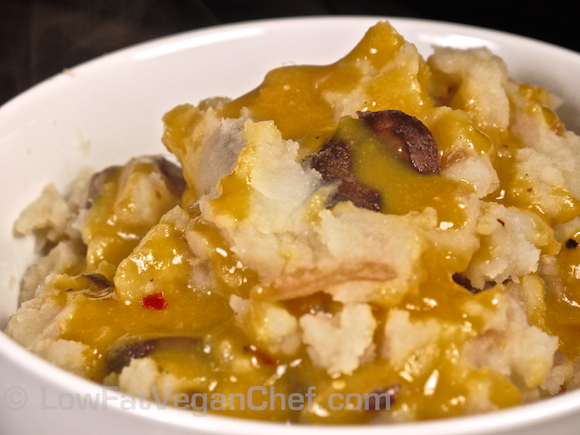
Garlic Mashed Potatoes and Gravy from Vegan Comfort Foods From Around The World

Healthy Starches

Sweet potatoes – yams/kumara

Potatoes – yellow/purple/white etc.

Whole grains – quinoa, steel cut oats, barley, bulgar, couscous, millet, rye, amaranth, spelt, canawa, wild rice

Rice – brown, basmati, jasmine, sticky white, red Bhutanese, black etc.

Pasta: whole grain pasta, egg free pasta, buckwheat pasta etc.

Starchy vegetables: winter squash, sweet corn, carrots, beets, turnips, parsnip, plaintain, taro, etc

Healthy Plant Based Proteins

Beans – black, kidney, pinto, chickpeas, white, soy, tofu, tempeh, adzuki, black eyed peas, fava, gigantes, lima, mung, etc.

Other legumes – peas, split peas, red lentils, brown lentils, French green lentils, black lentils, masoor lentils, peanuts, etc

Seeds – pumpkin, sunflower, flax, hemp, chia (in moderation as these are also high in fat too)

Wheat protein: seiten/wheat gluten (if you’re not gluten intolerant)

Leafy Greens and Vegetables:

Leafy Greens – kale, collards, Swiss chard, leaf lettuce, Romaine, spinach, arugala, lamb’s lettuce/mache, turnip greens, beet greens, mustard greens, cabbage, bok choi,  Brussels sprouts, watercress, wild edibles like lambs quarters and purslane, etc.

Green vegetables: broccoli, broccolini, broccoli rabe/rapini, celery, asparagus, green string beans, zucchini, green/spring onions, kohlrabi,

Orange, red and yellow vegetables: bell peppers/capsicum, yellow beans, yellow summer squash, tomatoes, radishes,

Misc vegetables: onions, garlic, mushrooms, eggplant/aubergine etc.


And what about fruits? Make sure you get a few servings of fruit a day into your diet. This can be in the form of a smoothie, (which I have TONS of fruit smoothie and green smoothie recipes on here) a snack or a fruit dessert. There are literally hundreds of fruits to choose from.

Some fruits that go really well on salads (if you’re looking for some raw options) are apples, sliced grapes, fresh berries like strawberries, raspberries, and blackberries, orange segments, Mandarin oranges or Clementine oranges, grapefruit, pommelo, kiwi fruit, persimmons, dragon fruit, raisins, dried cranberries and more!

To keep things fairly inexpensive and hassle free you can eat basic meals like rice or potatoes with some beans, tofu or tempeh, and a salad or steamed or sautéed veggies. There are so many different combinations and you can eat whatever is in season. Then to add some variety you can make things like a vegetable stew, a vegan soup, veggie tacos with rice, lentil curry and rice, noodles with sautéed veggies etc. a few times a week. They key is to find some healthy foods and meals that you really enjoy eating and it doesn’t feel like a chore or you are depriving yourself. It always helps to have some tasty homemade or store bought low fat condiments to add some flavour as well.

Condiment Ideas to Compliment Mcdougall Style Meals:

-fresh or store bought salsa/pico de gallo

–homemade oil free hummus, or store bought

–homemade oil free babaganoush (eggplant tahini dip)

-barbecue sauce

-hot sauce

-ketchup (look for low sodium, corn syrup free varieties)

-gourmet mustards

-pickled vegetables

-fat free/low fat dressings

-soy sauce or tamari

-teriyaki sauce or hoison sauce

-roasted garlic, sautéed onions, sautéed mushrooms, roasted bell peppers/capsicum


Now Available! Vegan Comfort Foods From Around The World – 100% oil free and McDougall friendly recipes!

There are so many ideas out there to add a little flavour and excitement to a low fat plant based diet. Even if you’re only eating this way when you’re at home you will notice some health benefits and feel satisfied with these whole food comfort foods.

Have you ever read one of Dr. McDougall’s books or tried The McDougall Program?


Filed Under: Articles, McDougall Program Tagged With: John McDougall, Low Fat Vegan Dinner Ideas, McDougall Friendly Recipes, McDougall Program, Starch Based Meals, Starch Solution

What Is The McDougall Diet Or McDougall Program For Maximum Weight-loss?

June 2, 2012 by Veronica Grace 21 Comments

Fb-Button

What is The McDougall Program?


What is the McDougall Program?

The McDougall Diet is based on the guidelines of Dr. John McDougall, MD who is an American physician who teaches his patients that degenerative diseases can be reversed and prevented with a low fat, plant-based whole foods diet. His wife Mary is the chef in the family and creates an array of nutritious oil-free plant based dishes and has written several cookbooks. The staple foods for The McDougall Diet/Program are starch based foods like potatoes, rice, and beans, supplemented with green and yellow vegetables, leafy greens and fruit. Animal based foods, processed foods and vegetable oils are not part of the diet or recommended.

Dr. McDougall didn’t grow up eating a vegan or even vegetarian diet himself. Unfortunately in 1965 he suffered a massive stroke at the young age of 18, which he attributes to his then current diet that was high in animal foods. Between 1973 and 1976 he witnessed how a Standard American Diet (also known as S.A.D.) was negatively impacting the younger generations of his Asian immigrant patients on the Hamakua Sugar Plantation on The Big Island of Hawaii. He noticed that the less rice and vegetables each generation ate, and the more Americanized processed food including deep fried meat and junk foods like fries and potato chips the more unhealthy these people became. This seemed to fly in the face of what was taught to him in medical school and promoted to the American public. The Food Pyramid was telling people that animal foods that were high in protein (and fat) were key to a healthy diet and healthy body. Yet he saw just the opposite was happening. These people had the same family genetics, lived in the same location and did the same work, yet their health vastly differed only because of what they ate. The elders that continued to eat their traditional native Asian diets of white rice, vegetables, beans, and soups with very small quantities of meat (and NO dairy products) were much leaner, stronger and healthier than their children and grandchildren who ate a diet based on meat, dairy, bread, and deep fried junk foods and very little rice or vegetables. Dr. McDougall saw with his own eyes just how damaging a diet high in animal and processed foods was to the human body and he began teaching the benefits of a strict vegetarian diet.


For over 30 years Dr. McDougall has been teaching people all over the world the benefits of a low fat, oil-free, whole foods plant based diet with great success. He has two books based on his program called The McDougall Program: 12 Days To Dynamic Health and The McDougall Program For Maximum Weight-loss.  He also recently released a new book this year entitled The Starch Solution: Eat the Foods You Love, Regain Your Health, and Lose the Weight for Good!  which as the title hints at is a diet based on starchy foods.

Let’s take a look at the variety of foods that are included in the McDougall Program (this list is from McDougall’s website):

Starches (Main Source Of Calories)

Roots:

sweet potatoes
yams
white potatoes
celeriac (celery root)
tapioca
Jerusalem artichoke (sunchoke)
burdock
taro root
jicama
water chestnuts
parsnips
rutabaga
(Carrots, beets, turnips, daikon, and salsify are low in carbohydrates and calories and so are not considered starch staples.)


Winter Squashes:

butternut
acorn
Hubbard
banana
pumpkin
buttercup
turban squash
(Summer squashes usually cannot serve as the center of a meal because of their low calorie content. They are also lower in carbohydrates than winter squashes.)

Legumes/Beans:

aduki (azuki)
red kidney
black
mung
fava (broad)
navy
garbanzo (chick-peas)
pink
great northern
pinto
limas
white kidney (cannellini)
(Soybeans cannot be considered a starch staple because they are too high in fat to be allowed on the McDougall diet regularily.)


Lentils:

brown
red
green

Peas:

black-eyed
split yellow
split green
whole green

Whole Grains:

barley
oats
brown rice
quinoa (pronounced “keen-wa”)
buckwheat
rye
bulgur (cracked wheat)
triticale
couscous (refined wheat)
wheat berries
corn
wild rice
millet


Unrefined flours:

barley
rice
buckwheat
rye
corn
soy
garbanzo beans
triticale
lima bean
wheat
oat
whole wheat pastry
potato

Egg-Free Pastas:

Most of these are made from highly refined flours and therefore should play a small role in your diet.
artichoke pasta
tomato pasta
corn pasta (no wheat)
whole wheat pasta
spinach pasta
rice pasta (no wheat)


Oriental Noodles:

Most of these are made from highly refined flours and therefore should play a small role in your diet.

bean threads
somen
buckwheat soba
udon
rice noodles

Secondary Plant Foods (To Complement Starch Based Meals)

This is not an exhaustive list, just some examples.

Fruits:

apples
bananas
oranges
pineapple
pears
plums
peaches
nectarines
cherries
blueberries
raspberries
strawberries
blackberries
carambola
papaya
cherimoya
persimmon
guava
pomegranate
kiwifruit
passion fruit
kumquat
pummelo
loquat
quince
lychee
soursop
mango
etc.


Vegetables/Greens/Beans:

This is not an exhaustive list, just some examples.

zucchini/summer squash
broccoli
cauliflower
carrots
mushrooms
corn
iceberg lettuce/Romaine/leaf lettuce
spinach
asparagus
radishes
celery
cucumbers
tomatoes
aduki beans
jicama
arugula
kale
bok choy
kohlrabi
broccoli de rabe
radicchio
burdock
salsify
celeriac (celery root)
sprouts (alfalfa, lentil, mung bean, wheat)
chicory (curly endive)
Swiss chard
cocozelle
taro root
collard greens
turban squash
daikon
water chestnuts
endive
watercress
garbanzo beans (chickpeas)
Jerusalem artichoke (sunchoke)
etc.


Foods NOT Allowed On The McDougall Program

The following is a list of the foods that are not allowed, with ideas for possible substitutions.

Don’t Eat:                        Possible substitutes:

Cow’s Milk (for cereal or cooking)                     Lowfat soy milk, rice milk, fruit juice, water
Cow’s Milk (as beverage)                               None; drink water, juice, herb tea, or cereal beverages
Butter                                                           None
Cheese                                                 None; after 12 days you may substitute soy- and nut-based cheeses
Cottage cheese                                         None; after 12 days you may substitute crumbled tofu
Yogurt                                                       None
Sour cream None
Ice cream                                             Pure fruit sorbet, frozen juice bars; after 12 days you may substitute Lite
Tofutti
Eggs (in cooking)                                      Ener-G Egg Replacer
Eggs (for eating)                                      None or after 12 days, Tofu
Meat, poultry, fish                                    Starchy vegetables, whole grains, pastas, and beans; after 12 days tofu for
“meat”
Mayonnaise                                             Homemade Tofu based mayonnaise
Vegetable oils (for pans)                              None; use Teflon, Silverstone, or silicone-coated (Baker’s Secret) pot and
pans
Vegetable oils (in recipes)                            None; omit oil or replace with water, mashed banana, or applesauce for
moisture in baking
White rice (refined)                                   Whole grain (brown) rice or other whole grains
White flour (refined)                                  Whole grain flours
Refined and sugar-coated cereals                       Any acceptable hot or cold cereal
Coconut                                                         None
Chocolate                                                     Carob powder
Coffee, decaffeinated coffee, and black teas     De-caf herb tea, cereal beverages, hot water with lemon
Colas and un-colas                                     Mineral water or seltzer (flavored or plain)


In addition to eating an oil free starch based diet, Dr. McDougall recommends that people exercise (even if it’s just going for a walk) regularly to help maximize weight-loss, improve high blood pressure, lower high blood sugar, improve circulation and have more energy.

At www.LowFatVeganChef.com I try to present easy to make carb/starch based recipes that contain mostly whole foods and have no added oils that can be used as a part of the McDougall program. Occasionally I use things like light coconut milk or avocados in my recipes and those are not recommended for those in need of a strict diet to reverse disease, so keep that in mind. Quite often I eat simple starch based meals at home and a dinner of baked potatoes, boiled sweet corn (plain) and steamed greens is both satisfying and McDougall Program friendly. So give it a try.


The McDougall’s run a variety of events every year from 3 Day Study Weekends, a Full 10 Day Immersion Program to Adventure Travel Vacations With McDougall Meals. For more information on Dr. John and Mary McDougall check out their website here.


nejs?MarketPlace=US”>

Filed Under: Articles, McDougall Program Tagged With: McDougall Program, What is the McDougall Program?

  • « Go to Previous Page
  • Page 1
  • Page 2
  • Page 3
  • Go to Next Page »

Primary Sidebar

Follow Us:

Newsletter

Get The Low Fat Vegan Starter Kit

natural organic skin care line

Free Skincare Samples

Earn Free Crypto At Binance

Earn Free Bitcoin on Gemini Exchange

Earn $10 in Bitcoin With Gemini Exchange
Dr. Fuhrman
Dr. Fuhrman
Dr. Fuhrman

Tags

80/10/10 apple avocado banana blueberries breakfast broccoli Carrots celery chickpeas cilantro corn cucumber Curry dill dinner easy Eat To Live fat-free gluten-free how-to Indian Dishes lemon low-fat mango mexican mushrooms nut-free oil-free pasta pineapple plant-based raw raw vegan rice smoothie soup soy-free spinach tofu tomato tomatoes vegan vegetarian vitamix

Secondary Sidebar

Recipes:

  • Cooked Vegan Recipes
  • *My Recipe Books
  • Breads and Baked Goods
  • Breakfast
  • Brunch
  • Burgers
  • Casseroles
  • Curries
  • Desserts
  • Dinner
  • Dips for Veggies or Chips
  • Eat to Live-Dr. Fuhrman Recipes
  • Engine2Diet
  • Ethiopian Dishes
  • Greek
  • Green Dishes
  • Holiday
  • Indian Dishes
  • Mexican
  • One Pot Meals
  • Pasta
  • Pizza
  • Quinoa
  • Salads
  • Sandwiches and Wraps
  • Raw Vegan Recipes
  • 80/10/10
  • Raw Breakfast
  • Raw Desserts
  • Raw Dips
  • Raw Dressings
  • Raw Entrees
  • Raw Juices
  • Raw Salads
  • Raw Smoothies
  • Raw Snacks
  • Raw Soups
  • Sauces
  • Side Dishes
  • Slow Cooker Recipes
  • Snacks
  • Soups and Stews
  • Spices/Seasonings
  • Sushi
  • Thai
  • Vietnamese

Copyright © 2026 · Foodie Pro & The Genesis Framework