• Skip to primary navigation
  • Skip to main content
  • Skip to primary sidebar
  • Skip to secondary sidebar

Plant Based U

Fat-Free and Low Fat Vegan Plant Based Recipes

  • Home
  • Recipes
    • Raw Vegan Recipes
    • Cooked Vegan Recipes
    • Eat to Live Dr. Fuhrman Recipes
  • Products
  • Coaching
  • Videos
  • Articles
  • About
    • What Is Low Fat Vegan/Whole Foods Plant Based
    • Resources
  • Contact

almond

Fb-Button

How To Make Your Own Raw Almond Milk in a Vitamix

September 14, 2014 by Veronica Grace 1 Comment

Fb-Button


Almond milk is something that many people use nowadays, whether they are vegan or have dairy allergies. Sure you can buy some (non raw) almond milk at the store for your smoothies or cooking, but there’s likely going to be sugar, preservatives and other additives and synthetic stuff in it as well. While it is convenient to use pre made almond milk, it’s not a good idea to base your whole diet on processed packaged foods.

It’s very easy to make at home, and most cost effective if you enjoy using almond pulp in recipes like raw bars, cookies, crackers, or drying it out to use for almond flour. This raw almond milk is great for using in raw smoothies, raw banana ice-cream and raw dressings.

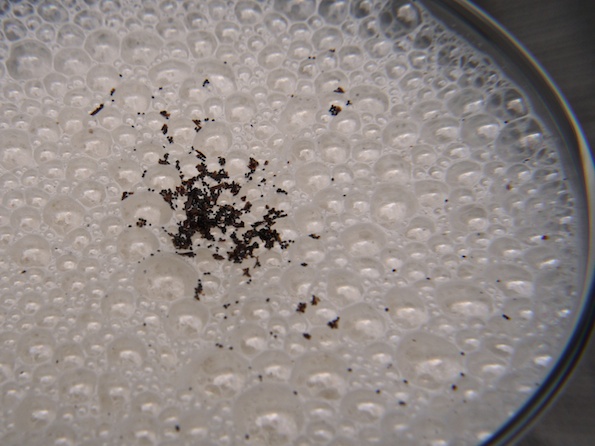
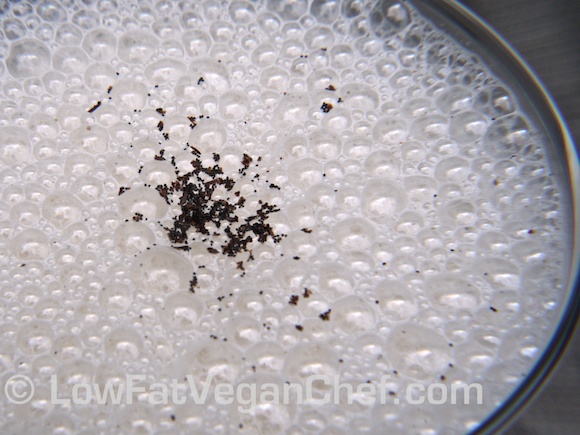
This low fat almond milk is also a nice pretty white colour and not browny tinged from additives like processed almond milk! Beautiful.


How To Make Raw Vegan Almond Milk in A Blender

Ingredients:

1 cup of whole shelled almonds
soaking water to cover almonds
4 cups filtered water (for making milk)

Required tools:

Container to soak almonds
Medium metal mesh strainer/nut milk bag
Vitamix or blender

Directions:

1. Soak almonds in a bowl or container with enough water to cover and let sit overnight, around 8 hours.

2. Drain and rinse the almonds. Place into Vitamix or blender with 4 cups of filtered water. Blend for about 45 seconds to a minute on high. Just until all the almonds are in tiny pieces and it’s frothy.

3. Get out 3 medium bowls or containers if you’re using a mesh strainer, or 2 for a nut milk bag. Hold your mesh strainer or nut milk bagover one of the bowls and pour the almond mixture slowly into it. Fill up the strainer and then use a spoon to push the liquid down from the pulp, for a nut milk bag pour the almond milk through it and squeeze the liquid out of the pulp with one hand while you hold it up. Place the extra pulp in one of the bowls if you want to save it for later. If you have a nut milk bag can also hang it up above the bowl and let it drain if you’re tired of squeezing. This will take a while. If using a metal strainer, keep filling it up with almond mixture and filtering the pulp from the milk with your spoon and set the pulp aside. Rinsing your strainer in between each filter will make it easier to strain and get rid of the little pieces stuck to it.

4. After you have filtered your almond milk once, you may want to filter the whole thing once more with a nut milk bag or a few more times with a metal strainer for the smoothest almond milk. Place your filter over the last clean bowl and pour your filtered almond milk over it. You should see some froth and a little pulp being filtered out the second time. Rinse your other bowl and strainer and filter back and forth until your almond milk is smooth to your liking. I do this a few times for the smoothest milk.

5. Once you’re done you can store the almond milk in the fridge. Depending what you want to do with it you can leave it plain, or blend in a date and some vanilla for sweet almond milk.

I leave mine plain so I can use it for things like banana ice-cream, chia “tapioca” pudding, smoothie base, dressing base etc. I just add pitted dates or vanilla to the recipe if I need a sweet milk.

Best used within 3 days as this is a “raw” and unpasteurized product it will separate and can start growing bacteria. Stir or shake gently before using. Store in a tightly sealed container in the refrigerator.
Filed Under: How To, Raw Vegan Recipes Tagged With: almond, almond milk, raw

Plant-Based Soy Curls, Squash and Kale Soba Noodles in Peanut Sauce

September 8, 2013 by Veronica Grace 9 Comments

Fb-Button


SoyCurlSquashPeanutSobaNoodles

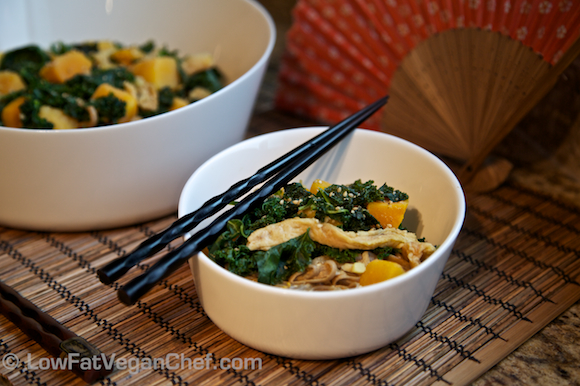
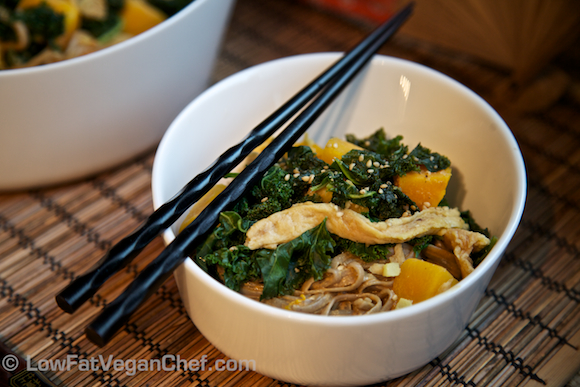
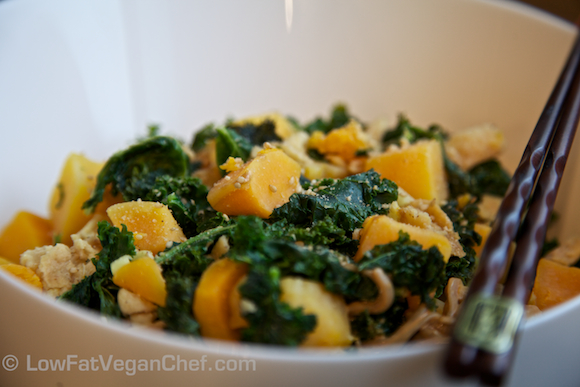
This plant-based peanut soba noodle dish is a recipe I decided on making after rummaging through my dried goods and freezer. I had bought a package of soba noodles so long ago I don’t remember when and I thought, you know I haven’t made any vegan Asian noodle dishes since my Vietnamese Vermicelli Noodle Salad (which is omg delicious btw). So I started looking online for something with noodles and butternut squash and I found this recipe online by  Bryanna Clark Grogan of Vegan Feast Kitchen which is not really what I made, but it gave me the idea of putting butternut squash with kale, noodles and peanut sauce. Yum! 🙂

SoyCurlSquashPeanutSobaNoodles (1)

I decided to make this recipe lower in fat and steamed the butternut squash and kale (instead of roasting in oil) and I used a lower amount of peanut butter for my sauce. I also added some Soy Curls to it which actually make it taste a little like chicken noodle salad. Soy Curls are made from non-GMO soy and are really easy to make. Just soak in water to rehydrate and sauté in a pan with seasonings. It’s totally optional for this recipe, you can choose to use some tofu or tempeh instead if you like.


Feel free to use any kind of noodle you like, green or starch. This soba noodle recipe is very versatile and I’m sure you can come up with lots of variations to make use of what you have on hand. Scroll down for the recipe!

SoyCurlSquashPeanutSobaNoodles (2)

Vegan Soy Curl, Squash and Kale Soba Noodles in Peanut Sauce

Serves 4

 Ingredients:

1 cup Soy Curls/1 package smoked tofu/1 package tempeh
1 9.7 oz/ 275 g package buckwheat soba noodles (I used Organic Sweet Potato & Buckwheat Noodles) or other egg free noodles
1 bunch of kale, de stemmed and cut into bite sized pieces
12 oz/340g package cubed butternut squash or 1 lb peeled and cubed (or 1 large sweet potato/yam peeled and diced)
2 cloves of garlic, minced
Salt and pepper to taste
Sesame seeds to garnish *optional

Plant-Based Peanut Sauce:

1/2 cup peanut butter or almond butter
1/2 cup water
2 1/2 tbsp maple syrup or other liquid sweetener
1-2 tbsp low sodium soy sauce or gluten free tamari *or to taste
2 tbsp rice vinegar
1 tbsp minced ginger
2 cloves of garlic
1 tsp Sriracha or other hot chili sauce *or to taste

Directions:

1. Soak Soy Curls in warm water with a little salt and garlic powder or no salt seasoning if desired.
2. Blend sauce ingredients together
3. Bring a large pot of water to a boil.
4. Next water sauté or use low sodium vegetable broth to cook kale, squash and Soy Curls (or tofu or tempeh) in a large skillet or wok. Season with a little bit of salt and pepper as desired.
5. Meanwhile, cook noodles in pot of water according to directions on package and drain in a colander and set aside.
6. In a large bowl or pot toss the noodles with the blended sauce and plate. Garnish with sautéed kale, squash and Soy Curls. Sprinkle with sesame seeds or Gomaiso if desired.
7. Serve.

I hope you try this delicious recipe! What’s your favorite asian noodle dish? Do you make anything at home?

Filed Under: Dinner, One Pot Meals, Pasta Tagged With: almond, Asian, gluten-free, greens, kale, noodle bowl, peanut, sesame, soba noodle, stir fry, vegan

How To Make Homemade Low Fat Raw Vegan Almond Milk In A Blender

October 7, 2011 by Veronica Grace 16 Comments

Fb-Button

FTC Notice: This blog post contains affiliate links that go towards supporting the blog.

Almond milk is something that many people use nowadays, whether they are vegan or have dairy allergies. Sure you can buy some (non raw) almond milk at the store for your smoothies or cooking, but there’s likely going to be sugar, preservatives and other additives and synthetic stuff in it as well. While it is convenient to use pre made almond milk, it’s not a good idea to base your whole diet on processed packaged foods.


It’s very easy to make at home, and most cost effective if you enjoy using almond pulp in recipes like raw bars, cookies, crackers, or drying it out to use for almond flour. This raw almond milk is great for using in raw smoothies, raw banana ice-cream and raw dressings.

This low fat almond milk is also a nice pretty white colour and not browny tinged from additives like processed almond milk! Beautiful.


How To Make Your Own Homemade Raw Vegan Almond Milk

Ingredients:

1 cup of whole raw shelled almonds
Enough water to cover almonds if soaking overnight
4 cups filtered water (for making milk) If you want it even thinner use 5 cups of water.

Required tools:

Container to soak almonds
Metal mesh strainer/nut milk bag
Vitamix, Blendtec or other blender

Directions:

1. Soak almonds in a bowl or container with enough water to cover and let sit overnight, around 8 hours. (You can skip this step if you have a Vitamix or Blendtec)

2. Drain and rinse the almonds. Place into Vitamix or other blender with 4 cups of filtered water. Blend for about 45 sec to a minute on high. Just until all the almonds are in tiny pieces and it’s frothy.

3a. If using a nut milk bag hold the bag open over a large bowl and gently pour the blended almond milk into the middle of the open bag. Be careful not to spill pulp over the sides. Pour a little at a time and put the blender container down and close the bag at the top and squeeze the bag into the bowl to separate the almond pulp from the almond milk. You can either save the squeezed almond pulp to dry into almond flour or use to make cookies or nut balls or compost it. Continue this process until you have separate all the milk from the almond pulp. If you can’t stand and squeeze you can hang the bag filled with pulp and almond milk up above the bowl and let it drain for a while or in between breaks. Using a good quality nut milk bag you should only have to strain the milk one time if you didn’t spill any pulp over the edge.

3b. If using metal mesh strainers: get out 3 medium bowls or containers. Hold your small metal mesh strainer over one of the bowls and pour the almond mixture slowly into it. Fill up the strainer and then use a spoon to push the liquid down from the pulp. Place the extra pulp in one of the bowls if you want to save it for later. This will take a while. If using a metal strainer, keep filling it up with almond mixture and filtering the pulp from the milk with your spoon and set the pulp aside. Rinsing your strainer in between each filter will make it easier to strain and get rid of the little pieces stuck to it.  After you have filtered your almond milk once, you may want to filter the whole thing a few more times for a smooth milk. Place your filter over the last clean bowl and pour your filtered almond milk over it. You should see some froth and a little pulp being filtered out the second time. Rinse your other bowl and strainer and filter back and forth until your almond milk is smooth to your liking. I do this 6-8 times with a metal strainer for the smoothest milk.


5. Once you’re done you can store the almond milk in the fridge. Depending what you want to do with it you can leave it plain, or blend in a date and some vanilla for sweet almond milk.

I leave mine plain so I can use it for things like banana ice-cream, chia “tapioca” pudding, smoothie base, dressing base etc. I just add pitted dates or vanilla extract  or fresh vanilla bean to the recipe if I need a sweet milk.

Best used within 3 days. Store in a tightly sealed container in the refrigerator.
Have you ever made your own plant based milk at home? What’s your favourite?


Filed Under: How To, Raw Juices, Raw Vegan Recipes Tagged With: almond, gluten-free, how-to, low-fat, nut-milk, raw

Primary Sidebar

Follow Us:

Newsletter

Get The Low Fat Vegan Starter Kit

natural organic skin care line

Free Skincare Samples

Earn Free Crypto At Binance

Earn Free Bitcoin on Gemini Exchange

Earn $10 in Bitcoin With Gemini Exchange
Dr. Fuhrman
Dr. Fuhrman
Dr. Fuhrman

Tags

80/10/10 apple avocado banana blueberries breakfast broccoli Carrots celery chickpeas cilantro corn cucumber Curry dill dinner easy Eat To Live fat-free gluten-free how-to Indian Dishes lemon low-fat mango mexican mushrooms nut-free oil-free pasta pineapple plant-based raw raw vegan rice smoothie soup soy-free spinach tofu tomato tomatoes vegan vegetarian vitamix

Secondary Sidebar

Recipes:

  • Cooked Vegan Recipes
  • *My Recipe Books
  • Breads and Baked Goods
  • Breakfast
  • Brunch
  • Burgers
  • Casseroles
  • Curries
  • Desserts
  • Dinner
  • Dips for Veggies or Chips
  • Eat to Live-Dr. Fuhrman Recipes
  • Engine2Diet
  • Ethiopian Dishes
  • Greek
  • Green Dishes
  • Holiday
  • Indian Dishes
  • Mexican
  • One Pot Meals
  • Pasta
  • Pizza
  • Quinoa
  • Salads
  • Sandwiches and Wraps
  • Raw Vegan Recipes
  • 80/10/10
  • Raw Breakfast
  • Raw Desserts
  • Raw Dips
  • Raw Dressings
  • Raw Entrees
  • Raw Juices
  • Raw Salads
  • Raw Smoothies
  • Raw Snacks
  • Raw Soups
  • Sauces
  • Side Dishes
  • Slow Cooker Recipes
  • Snacks
  • Soups and Stews
  • Spices/Seasonings
  • Sushi
  • Thai
  • Vietnamese

Copyright © 2026 · Foodie Pro & The Genesis Framework