• Skip to primary navigation
  • Skip to main content
  • Skip to primary sidebar
  • Skip to secondary sidebar

Plant Based U

Fat-Free and Low Fat Vegan Plant Based Recipes

  • Home
  • Recipes
    • Raw Vegan Recipes
    • Cooked Vegan Recipes
    • Eat to Live Dr. Fuhrman Recipes
  • Products
  • Coaching
  • Videos
  • Articles
  • About
    • What Is Low Fat Vegan/Whole Foods Plant Based
    • Resources
  • Contact

One Pot Meals

Fb-Button

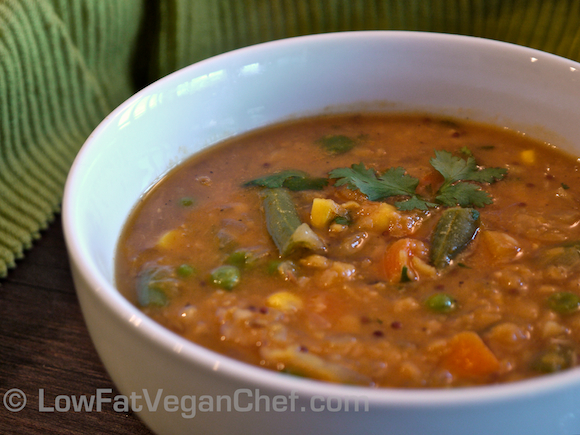
Fat Free Vegan Slow Cooker Indian Dal Soup With Mixed Vegetables

June 25, 2012 by Veronica Grace 19 Comments

Fb-Button

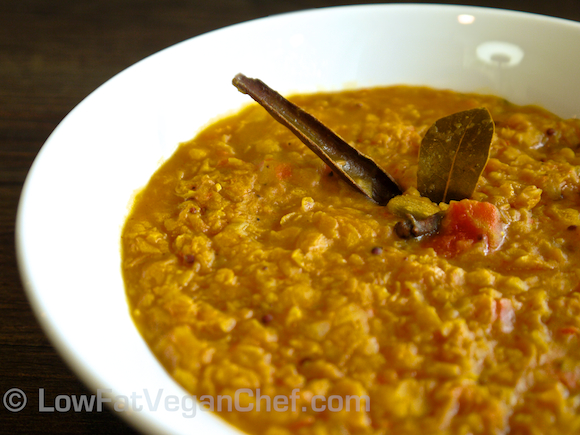
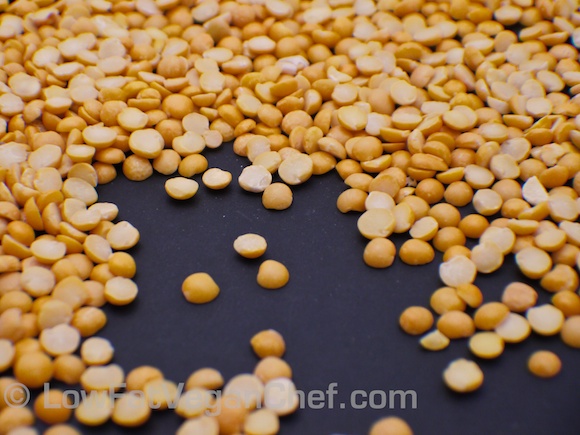
Here’s another deliciously easy and affordable fat free recipe that you and your family will love. It’s inspired from a delicious Indian soup from a local restaurant we like, and I tried to make my own version at home. It ended up tasting a little differently of course but still very delicious! It’s also very versatile and you can use any yellow split lentil like chana dal or toor dal. You can buy these lentils at ethnic markets, Indian markets or Amazon. Although these lentils look similar to yellow split peas, they are not the same, so this recipe will taste best if you use yellow split lentils instead of yellow split peas.

I really love using the slow cooker (aka Crock Pot) when I want to make something hearty but don’t have time to watch the stove, or when I’m making something that tends to take a long time to cook such as lentil and bean based dishes. It’s one of those appliances that I love using, but don’t use it all the time. Making a big batch of something in a crockpot is a great time saver when you’re looking for quick meals during the week.

If you or your family is new to Indian food, this is a really easy recipe to start with because it’s savory and mildly spiced without being too “exotic” for those not used to it.
Slow Cooker Indian Dal Soup With Mixed Vegetables

Serves 6

Ingredients:

1 lb/454 g chana dal (split chickpeas) or toor dal (split yellow lentil)
2 medium onions, diced
6 cloves of garlic, minced
1 tbsp ginger, minced
15 oz/425 g diced tomatoes
4 cups/1 qt/~1 L vegetable broth (low sodium or homemade)
4-5 cups/1 qt/~1 L water or more vegetable broth (more or less to thin as desired)
2 tbsp cumin seed
1 tsp roasted coriander powder (or regular)
1/4 tsp tumeric powder
2 tsp black mustard seeds

After dal is done cooking add:
3 cups mixed frozen vegetables or other mixed diced vegetables
1 tsp roasted cumin
1-2 tbsp. sugar or sweetener (if desired)
3/4 tsp Herbamare or salt to taste
fresh ground pepper to taste
1/2 bunch of cilantro, chopped

Directions:

  1. Pick over the dal/lentils and remove any discoloured ones or stones. Rinse thoroughly and drain.
  2. Place ingredients into slow cooker, except for frozen vegetables and additional spices and cook on low 10 hours, or high 7-8 hours. You can also cook this overnight and add the additional vegetables and seasonings the next day.
  3. When the lentils are soft and breaking apart, add the vegetables and seasonings and let cook for another 30 minutes or so. Taste test and adjust seasonings if necessary.
  4. Garnish with fresh cilantro and serve!

Additional Tips:

I use a 6 quart family size slow cooker like this one because I like being able to set it on a timer, as soon as the timer stops it switches it to keep warm until you’re ready to serve, so it’s really handy.

You can also try yellow split peas, but it won’t really be an Indial dal, but more an Indian spiced split pea soup. You may need to add more water as well depending on how thick or thin you like your soup.

What’s your favourite meal to cook in the slow cooker? 
Filed Under: Cooked Vegan Recipes, Eat To Live - Dr. Fuhrman Recipes, Indian Dishes, One Pot Meals, Soups and Stews Tagged With: fat-free, gluten-free, Indian Dishes, nut-free, soup, soy-free

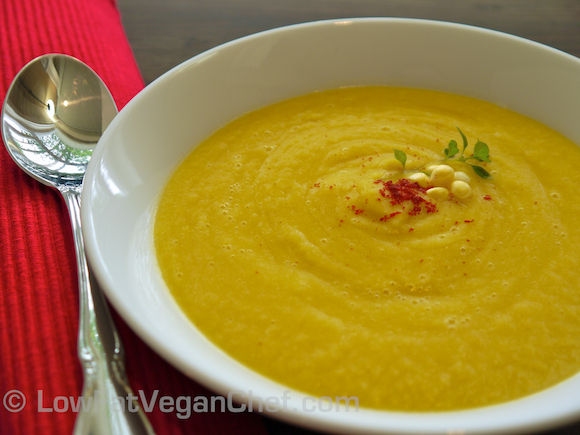
Fat Free Vegan Summer Harvest Soup With Butternut Squash, Sweet Corn and White Beans

June 12, 2012 by Veronica Grace 15 Comments

Fb-Button

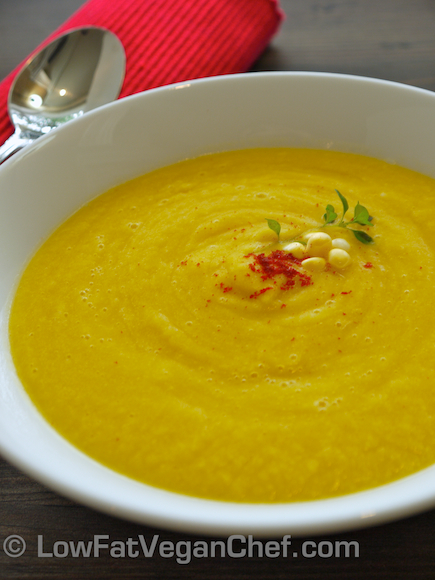
Ah summer… I think it’s everyone’s favourite month.  (At least mine as it’s the sunniest/warmest time in Canada.) I was looking around the freezer the other day and wanted to make up something quick and healthy and I saw I had some bags of frozen butternut squash and some fresh corn. I decided to put it together with onions and broth and make a soup out of it, but it wasn’t thick enough so I thought, hey why don’t I try some white beans to add some bulk and cream it up? It turned out to be a great idea and a totally delicious combination. This soup doesn’t need any butter or cream to make it creamy and delicious, the white beans work perfectly. It also needs very little seasoning since it’s so sweet naturally from the sweet corn.

In fact you could even eat this soup without any of the seasonings at all, it would be a great soup for fussy children, or even a good choice for toddlers.  Everyone knows children enjoy soft naturally sweet foods and butternut squash and corn is a favourite.

I decided to kick things up a bit with some smoked paprika which added a delicious smokey flavour to the soup.  Smoked paprika isn’t of the spicy variety, but sweet so it adds some nice flavour without being spicy.

Summer sweet corn goes really well in almost any dish.  It’s a great topping for salads, adds natural sweetness to soups and is great on it’s own, no seasonings required.

Give this soup a try! It’s super easy (especially if you have frozen squash already, available at most health food stores.)

Fat Free Vegan Summer Harvest Soup (Butternut Squash Sweet Corn and White Bean Soup)

Serves 4-5

Ingredients:

4 cups/1 qt./946 mL vegetable broth (homemade or low sodium)
1 large sweet onion, diced (such as Vidalia or Walla Walla)
5 cloves of garlic, minced
6 cups/25 oz./1.5 lbs butternut squash, peeled and cubed (fresh or frozen)
2 1/2 cups sweet corn (fresh, frozen or canned – no sodium)
16 oz./453 g can white beans or chickpeas, drained
1/2 tsp smoked paprika (or any other seasoning of choice)
3/4 tsp Herbamare or salt
1/2 tsp fresh ground pepper

Directions:

  1. Saute onions and garlic in a large pot over medium heat in 1/2 cup of vegetable broth until soft 5-6 minutes.
  2. Add squash, corn and beans and remaining broth and cover. Cook until squash is tender.
  3. Carefully spoon mixture into a blender or food processor and blend until smooth.
  4. Pour mixture back into pot, add seasonings and mix thoroughly. Taste test and adjust seasonings if desired.

What do you think of this summer soup? Have you ever tried smoked paprika before?

Filed Under: Cooked Vegan Recipes, Eat To Live - Dr. Fuhrman Recipes, One Pot Meals, Soups and Stews Tagged With: beans, corn, fat-free, gluten-free, nut-free, soup, soy-free, squash

Fat Free Vegan Indian Tarka Chana Dal (An Easy Oil-Free Curry Recipe)

June 4, 2012 by Veronica Grace 23 Comments

Fb-Button

Tarka Dal is also known as Dal Tarka or Tadka depending where you are in India. Like many Indian foods the names of dishes are phonetic so often you will see similar spellings of dal such as dhal or dahl. There is no right or wrong way to spell these dishes, I just use the most common spellings for ease of use.

Dal is a dish that is made with any variety of lentils including but not limited to split red lentils (most common in thin dal soups), black urad dal (used in creamy Dal Makhani), split urad dal (ground with rice to create Dosas which are Indian crepes) toor/tuvar dal which looks just like chana dal and yellow split peas but is smaller, and moong dal a small yellow split lentil that cooks faster than chana or yellow split peas also used in soups.

Cook’s Thesaurus has excellent descriptions and pictures of various lentils and how to tell them apart. This may sound quite confusing at first, but it’s unlikely that you will fully immerse yourself into using every type of lentil in Indian cuisine, so don’t worry. The most important thing is just to make sure you’re buying the right lentil and label what you buy if it’s coming from bulk bins. As they are all different sizes and thicknesses they can take different amounts of time to cook.

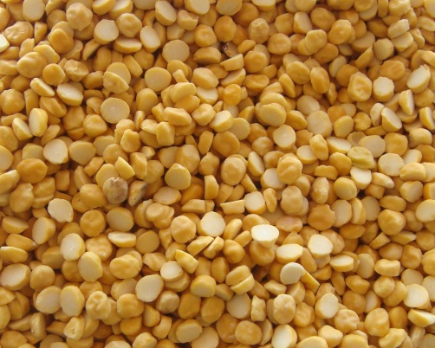
chana dal (skinless split chickpeas)

You can almost see that they look like little chickpeas/garbanzos split in half and are not fully rounded like yellow split peas. Toor/tuvar dal is also yellow and similar in size, but it is not the same.

Chana dal is used in East India and is widely available at Indian markets, bulk dry good sections at the health food store or ethnic market and online. Tarka is a method where spices are cooked/tempered in hot oil and added to the beginning or end of a dish being cooked. Since we’re going for oil free methods of cooking however, all of the ingredients are combined and cooked together in water instead. Tarka dal is usually cooked in 4 steps and can be quite complicated so I simplified the method. For this reason we have slightly increased some of the spices as the flavours will be subdued through cooking. Whole spices are best as they will retain more flavour, if you substitute all the whole spices with powdered spices you may have to reseason it to taste when it’s done cooking and it may not be as flavourful.

(Oil-Free) Simplified Indian Tarka Chana Dal

Serves 6-8 as a side

Ingredients:

2 cups chana dal (skinless split dried chickpeas, also spelled channa dal, dahl, or dhal)
1 large onion, diced finely
8-10 cloves of garlic, minced
2 inches of ginger, minced (or 1 tsp ginger powder)
1 14.5 oz/411 g can fire roasted crushed tomatoes (I use Muir Glen Organics)
7-8 cups/1.6-1.9 L of water (depending on how thick or thin you want it)
2 tsp turmeric
1 small cinnamon stick
3 black cardamom pods (or green)
8 whole cloves
4 bay leaves
3 tsp cumin seeds
2 tsp black mustard seeds
1-2 tsp red chili powder (or more to taste) I used Frontier Organic Chili powder blend
1 1/2 – 2 tsp salt
Fresh ground pepper to taste
handful of chopped fresh cilantro/coriander (to garnish)

Pressure Cooker Directions:

  1. Combine ingredients (except salt, pepper and cilantro), into a heavy bottomed pressure cooker, mix well, cover and heat over high heat (on gas stove) until a steady stream of steam escapes the pressure valve. Turn the heat down to medium high and cook for 20 minutes or until the dal is just tender (not mushy.)
  2. Season to taste with salt and pepper. Taste test and add additional chili powder if desired. (I added a 1/2 tsp of roasted cumin powder as it’s one of my favourite spices.)
  3. Garnish with fresh cilantro and serve with basmati rice or brown rice if desired.

Slow Cooker Directions:

Alternatively you can try cooking this in a slow cooker on high. Check on it between 4 and 5 hours. When chana is soft, season to taste with salt, pepper and additional spices such as chili powder if desired.

You can also probably cook this over the stove, but you will require more water as it will dissipate. I would guess this would take between 60-90 minutes of cooking time on a stove depending whether it was electric/gas and what temperature it’s cooked at. Make sure you stir it and check on the water level so it does not burn to the bottom of the pot.

Additional Tips:

If serving this to guests unfamiliar with Indian curries, you may want to take out all of the pieces of cinnamon stick, bay leaves, cardamom pods and cloves before serving. Be careful, the dal is hot! Generally we just pick these pieces out while we’re eating. But just make sure to warn people as a mouthful of clove or cardamom can be a little unpleasant!

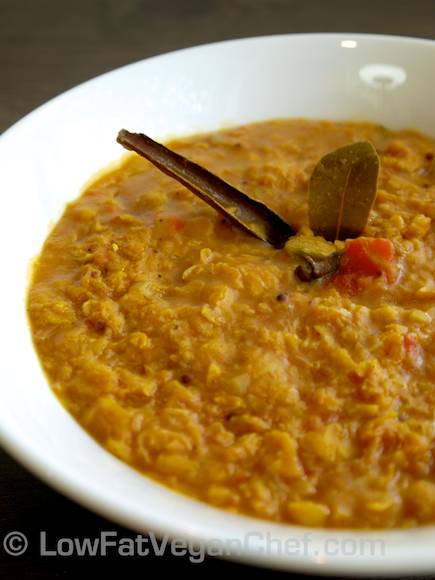
If you like your dal thick as pictured above you can use the lower amount of water. If you find your dal is a little too runny you can add some corn starch slurry to it to thicken it up. Use 1 tsp mixed in a 2 tablespoons of water at a time and heat through until you get the desired consistency.

You may want to serve this as a side dish, or even as a main meal with rice or Indian flat bread. For a main meal this will make enough to serve 4-6 people.

Refrigerate or freeze any leftovers for a quick healthy meal later on in the week.

Don’t use regular yellow split peas for this recipe. They take a really long time to cook and won’t be the same, despite looking almost like chana dal.

Have you ever had Tarka Dal before? Have you ever tried chana dal?

Filed Under: Cooked Vegan Recipes, Curries, Dinner, Eat To Live - Dr. Fuhrman Recipes, Indian Dishes, One Pot Meals, Side Dishes Tagged With: Curry, fat-free, gluten-free, Indian Dishes, Lentils, nut-free, savory, Spicy

Fat Free Vegan Cabbage Soup (Cabbage Soup Diet Recipe For Weight Loss)

May 22, 2012 by Veronica Grace 72 Comments

Fb-Button

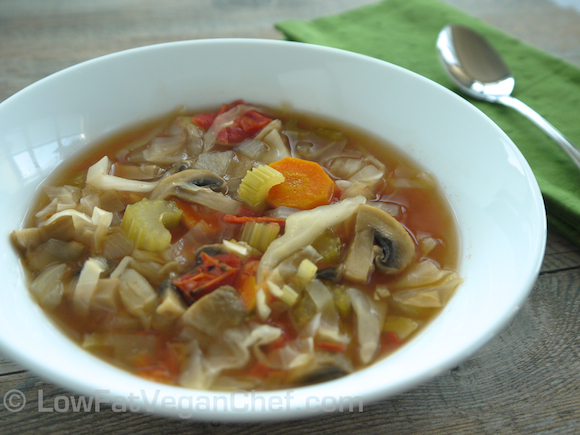
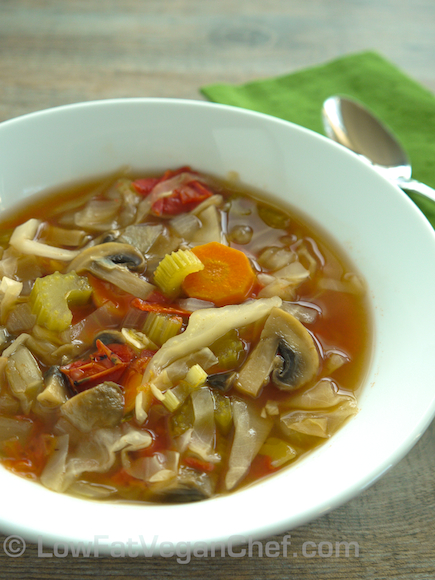
Fat Free Vegan Low Calorie Cabbage Soup Diet Recipe

Today I have a really healthy and easy recipe for you, especially if you’re interested in losing some weight, feeling better and eating more home cooked food. It’s a delicious spin on cabbage soup.  No this is not the recipe from the Cabbage Soup Diet (which after looking at makes me think it kinda sucks…) Mine features whole homemade ingredients without any packages of soup seasoning, V8 or chemical flavour enhancers.

The point of the cabbage soup in the cabbage soup diet is to fill you up on broth and vegetables in place of one meal a day so that you can lose weight fairly easily without crash dieting or being hungry.

A Healthier Alternative To The Cabbage Soup Diet

If you wanted a healthy guideline to lose some weight a safe and manageable way it would be to just eat fruits, lots of vegetables (even baked potatoes, sweet potatoes and squash are ok) and homemade vegetable soup (should be oil/cream free). You want to fill up on lower calorie high fibre nutrient dense foods. You could also have some beans or homemade hummus to go with your meals if desired as well. People gain weight because they eat too many rich foods like fried foods, meat, cheese, cream, butter, pastries, and bread products with oil in/on them. Even eating a diet of just potatoes wouldn’t cause you to gain weight, but if you slathered every potato in butter, sour cream and bacon it would become far too rich to achieve weight loss.

Actually I put a friend of mine on a fat free (and also no bread or flour products) diet back in September and she’s lost 50 lbs already just by eating more homemade meals and making sure they were based on foods like potatoes, vegetables and even rice instead of meat, bread, pastries and dairy products. She’s doing great and still enjoys eating this way every day.

One thing people think when it comes to alternative “healthier” lifestyles it that they will always hate it, never be able to do it or even starve to death (maybe even get bored to death too!). Let me tell you that is not the case. I started eating more raw and vegan for health reasons, not because I didn’t like how steak or chicken tasted.  (Hey I’m being honest!) But now I’ve been eating vegetable based dishes for so long that I actually don’t miss or crave any animal foods at all. I really couldn’t imagine eating them again. I actually enjoy the food I eat now even more than the food I used to eat. (Whatever you do most often now, you tend to like even more than what you used to do back then. It’s just the way the brain perceives things. Recent events tend to be better than past events a lot of the time because their more clear in our minds.) I like vegetables so much that if I go to a regular restaurant and get a pasta dish or soup that has hardly any vegetables in it, I get sad and want more vegetables! I could never just eat a big plate of plain spaghetti and sauce anymore, I love putting vegetables or lentils in it to give it more flavour.

People may think all vegans eat are carrots, broccoli and celery, but that is simply not true. In fact I eat a much wider variety of ALL plant foods now than I ever did before. I can’t even say I have a favourite fruit or vegetable. I love many of them like cherries, mangoes, watermelon, white peaches, Hawaiian papayas, pineapple, blackberries, blueberries, raspberries, eggplant, sweet potatoes, butternut squash, Thai pumpkin, broccoli, asparagus, mushrooms and more. I wouldn’t be able to choose any of those as my favourite.  I eat an even bigger variety than these, but these are some foods I really enjoy eating regularly and never get sick of eating. (This doesn’t even includes all the beans, legumes and whole grains I enjoy as well!)

I made 2 batches of vegetable broth and 2 batches of this cabbage soup last week, it was that good. One day I had 3 bowls of it for dinner! At 108 calories a bowl there’s really nothing to worry because you couldn’t possibly gain weight by eating this soup.

Fat Free Vegan Low Calorie Cabbage Soup Diet Recipe

Fat Free Vegan Cabbage Soup Recipe

Serves 8

Ingredients:

2 medium sweet onions, diced (like Vidalia, Walla Walla etc. They have light coloured skin and a slightly flattened top and bottom)
5 cloves of garlic, minced
10 oz./283 g package of mushrooms, sliced
2 tsp fresh thyme (or 1 tsp dried)
6 large stalks of celery, leaves removed and sliced
4 large carrots, peeled and sliced
1 lb/454 g (1/2 head) of green cabbage, shredded or cut with mandolin
28 oz/793 g (or 2 16oz cans) fire roasted diced tomatoes (I use Muir Glen Organics)
10 cups/2.5 qtss/2.3 L fresh vegetable broth (my recipes are here) or low sodium packaged vegetable broth
Herbamare/Sea salt and pepper to taste

Directions:

  1. Saute onions, garlic and mushrooms in 2-3 cups of vegetable broth for 5-6 minutes until the onions are tender. (Mushrooms take longer to cook than the rest of the veggies, so we’re cooking them first.)
  2. Add the rest of the vegetables, the thyme, the canned tomatoes, and the vegetable broth.
  3. Cook the vegetables over medium heat for 30-40 minutes or low heat for 1.5-2 hours until the vegetables are tender.
  4. Season to taste with Herbamare or salt and pepper. Add a little cayenne or chili pepper if you like the soup spicy. If you like your soup a little thinner you can add a little more vegetable broth or water if desired. But don’t add too much or you will dilute the flavour.
  5. Serve!


Additional Tips:

This soup is almost like a cabbage stew because it’s so full of vegetables. I prefer to have lots of veggies in my soup and a little less broth. You can add a little more broth if you like really watery soups. (But this is already so low calorie you don’t really need to water it down if you’re looking for a diet-friendly meal.)

I found I didn’t need to add much salt to my soup as I made homemade broth that was naturally sweet from the sweet onions, carrots and thyme and the fire roasted tomatoes have enough salt in them already.

This is a great recipe that you can use for a soup base and just change out some of the veggies for different ones for variety. You can also experiment with different salt free seasoning blends. Just make sure you always add a little, let it cook for a few minutes and taste test before adding more, so you don’t end up with an over seasoned soup!

If you use a bowl or two of this soup with some fruit or a salad every day instead of your normal meal it will help you lose weight just like any other meal replacement plan.  But this is much more nutritious because it’s homemade and packed full of vitamins and minerals from the veggies. Even more so if you make your own vegetable broth.  There is no comparison for me between store bought and homemade broth, so give it a try sometime and you will enjoy homemade soups even more!

Even if you changed a few of the vegetables in this soup it would be around the same calories. Overall it’s a very low calorie nutrient dense soup.

Nutrition Facts
  Servings Per Recipe: 8
  Serving Size: 1 serving
Amount Per Serving
  Calories 104.0
  Total Fat 0.4 g
    Saturated Fat 0.1 g
    Polyunsaturated Fat 0.2 g
    Monounsaturated Fat 0.0 g
  Cholesterol 0.0 mg
  Sodium 254.9 mg
  Potassium 562.3 mg
  Total Carbohydrate 17.8 g
    Dietary Fiber 6.3 g
    Sugars 7.8 g
  Protein 3.8 g
 
  Vitamin A 97.3 %
  Vitamin B-12 0.0 %
  Vitamin B-6 9.9 %
  Vitamin C 69.2 %
  Vitamin D 6.7 %
  Vitamin E 2.0 %
  Calcium 10.3 %
  Copper 9.9 %
  Folate 12.6 %
  Iron 10.5 %
  Magnesium 5.5 %
  Manganese 9.9 %
  Niacin 10.4 %
  Pantothenic Acid     7.9 %
  Phosphorus     7.1 %
  Riboflavin 11.7 %
  Selenium 6.2 %
  Thiamin 6.6 %
  Zinc 3.3 %


 Have you ever made cabbage soup before or tried the Cabbage Soup Diet?

Filed Under: Cooked Vegan Recipes, Eat To Live - Dr. Fuhrman Recipes, One Pot Meals, Soups and Stews Tagged With: cabbage, Carrots, celery, fat-free, gluten-free, mushrooms, nut-free, soup, soy-free, stew, weight-loss

Quick Lower Fat Vegan Pad Thai Recipe (Rice Stick Noodles with Veggies in Spicy Peanut Sauce)

May 7, 2012 by Veronica Grace 24 Comments

Fb-Button

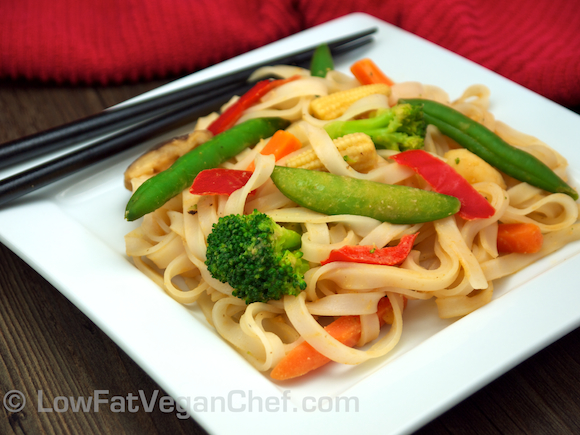
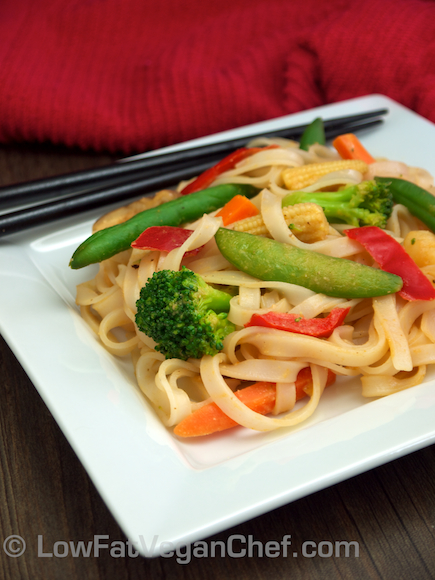
Low Fat Vegan Quick Pad Thai With Rice Stick Noodles Veggies and Peanut Sauce

Have you ever had a craving for Pad Thai or stir fried noodles so badly, but you didn’t really feel like cooking or have much time to throw something together? Or maybe Pad Thai is one of your favourite dishes but you don’t know how to make an easier version at home. If this sounds like you, then I know you’re going to love this recipe!

My Quick Lower Fat Pad Thai recipe has all the best parts of authentic Pad Thai, but it skips the oil, the eggs and the fuss. Generally Pad Thai is very oily as they fry the noodles in lots of oil so the noodles don’t stick to the pan or each other, but if you have a non stick pan and the rice noodles are still moist you can do without actually. I’ve had Pad Thai in Thailand, Canada and the USA and although everyone makes it a little differently, the one thing that is common is that they are not really healthy and are really greasy. So it’s not a good choice if you’re eating out at a restaurant and trying to stick to a healthier diet. A Thai soup, salad or even vegetable curry often has less calories and fat than noodles when they’re fried in oil and topped with peanuts.

The best solution for a lighter and lower calorie noodle dish is to just make it at home, you can also increase the amount of veggies and reduce the amount of noodles if desired as well. This recipe is definitely going to become one of our staples as it’s pretty easy for me to throw together. If you keep frozen stir fry veggies in the freezer then it makes this dish even faster to make. Really there’s no excuse now, everything is washed and chopped for you!

You can also easily make my Pad Thai sauce or a big double batch of it once a week to use for your veggie stir fries and serve with rice or noodles for a quick meal any day of the week. Ketchup is usually only used in Americanized Pad Thai, but for this recipe it works well and adds a little tomatoey flavour to it without being as acidic as plain tomato paste. (This sauce tastes more like spicy peanut sauce than anything, it won’t taste like plain ketchup, I promise!)

This recipe will make a substantial meal for a couple or 4 side servings. (The picture below is just a small side serving size.)

Low Fat Vegan Quick Pad Thai With Rice Stick Noodles Veggies and Peanut Sauce

Quick Lower Fat Vegan Pad Thai (Rice Stick Noodles With Veggies in Spicy Peanut Sauce)

Serves 2-3 dinner sized portions

Ingredients:

1/2 454 g package pad thai rice stick noodles (use 227 g) (pictured are the L/5mm size)
1 large salad bowlful of frozen or fresh stir fry veggies of choice (about 4-5 cups)

Pad Thai Sauce

1/4 cup water
2 tbsp low sodium soy sauce or tamari (for gluten free)
2 tbsp smooth peanut butter
3 tbsp ketchup (organic or low sodium)
1-2 tsp Sriracha Hot Chili Sauce (depending how spicy you like it)
1 tsp liquid sweetener of choice or brown sugar
1-2 cloves of garlic
1/2 tbsp fresh ginger

Directions:

  1. In a medium-medium large sized pot, fill it about 1/2 way with water (about 3-4 inches deep) with water and bring it to a boil.
  2. Add 1/2 package of rice stick noodles and stir in to break up. Make sure the water covers the noodles. Let sit while you make the sauce.
  3. Combine sauce ingredients in a small blender, Vitamix or magic bullet. You may need to mince the garlic and ginger first if you have a low powered blender. (or you can double the sauce recipe and save the rest for another stir fry or an asian salad dressing.) Blend until smooth. Add a little more water if you want a thinner sauce. Taste test and add more hot sauce if you like it really hot! (I only use 1 tsp for my tastes.)
  4. Measure out your veggies and put a large skillet or wok to heat over medium-medium high heat. When hot add the veggies and the sauce.(Frozen will only take 4 minutes to cook, fresh will take longer.)
  5. Check on the noodles, you want them to just be al dente or they will rip and fall apart if overcooked. If soft enough quickly drain and add to vegetables when veggies are almost done. Toss to combine with sauce. (If you take out your noodles and let them sit for a while they will stick together in a clump, if this happens rinse them in a colander briefly and drain before adding to pan with the vegetables.)
  6. Stop cooking when veggies are al dente and crisp tender.
  7. Serve immediately.

Variations:

Use different veggies or try different stir fry mixes, add fresh bean sprouts, cubed tofu or Thai chili peppers when stir frying.

To make this recipe gluten free use wheat-free tamari instead of soy sauce. To make it peanut free substitute almond, cashew or tahini butter instead.

For single servings save half or 2/3 of the sauce (for small portions) for later or another stir fry and use 1/4 of a package of rice noodles and only 1-2 cups of veggies.

To make stir fries without oil, just use a non stick pan and sauté your veggies or tofu in a sauce. If your sauce is a little thick, don’t worry the veggies will release some liquid as they cook. Non stick pans were designed for oil free cooking, yet most people continue to use oil no matter what they are cooking.

Trouble Shooting Rice Stick Noodles

“Why did my rice noodles fall apart?” Read below.

Do not boil the noodles on the stove. Only add them to a large bowl or pot and pour boiling water over them. Let them sit uncovered until desired tenderness. They should be al dente, if you let them get really soft like overcooked spaghetti they will tear when you lift them out and stir them in.

If your noodles are broken when you lift them out of the pot or bowl when cooked, you cooked them for too long. For my size of noodles (5mm) I checked them after about 5 minutes. Keep testing them every minute until you find the exact time that works for you. Vermicelli (spaghetti/angel hair thin) will only take a minute or so. 3mm size rice stick should be checked after 2-3 minutes. Remember they will soften a little bit after you take them out and if they are already soft they will be too soft when you prepare the stir fry.

If your noodles were fine when you took them out but then broke when you stirred them into the vegetables after a while, you added them too soon and stirred too much. Let the vegetables cook until they are almost done and THEN add the noodles. (Make sure the noodles are separated and not a big clump. If clumpy briefly rinse in water again and drain before adding.) Gently toss with the veggies and don’t over stir. The biggest mistake to fried rice and fried noodles is over stirring. So make sure things are almost cooked before adding and you’re just tossing together to heat through and get the sauce on them. Plate gently to prevent the noodles from tearing too much.

What is Sriracha Hot Chili Sauce?
Sriracha Hot Chili Sauce is available at many grocery stores, Asian markets and even Costco. Click here to get it on Amazon.

Filed Under: Cooked Vegan Recipes, Dinner, One Pot Meals, Thai Tagged With: gluten-free, noodles, stir fry, Thai, veggies

Easy Vegan Rainbow Bowl: Steamed Veggies Over Yams & Squash With Peanut Dressing

April 9, 2012 by Veronica Grace

Fb-Button

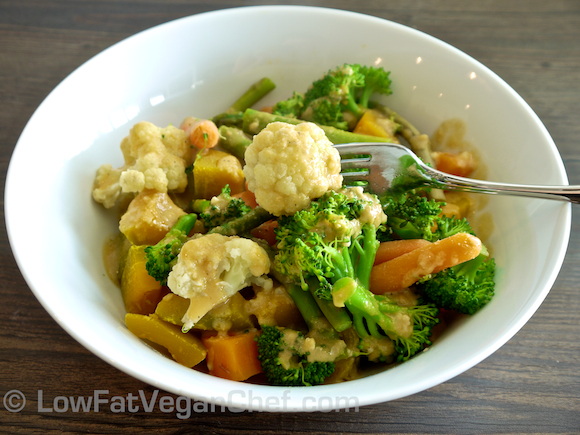
Low Fat Vegan Chef's Vegan Rainbow Steamed Veggie Bowl With Peanut Sauce

I wanted to have a quick and healthy lunch yesterday, but I did not have any rice ready. So instead I decided to serve my veggies over some delicious steamed yams (sweet potatoes) and Kobocha Squash (Thai/Japanese pumpkin). It’s kind of Macrobiotic, it just doesn’t have rice, beans, or fermented veggies. I guess it’s like a lazy version of a Macrobiotic dish instead.

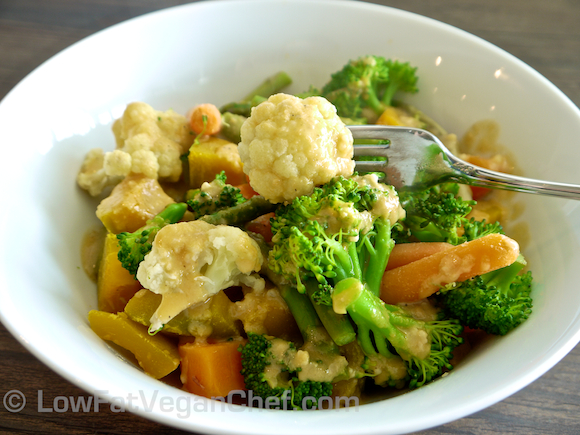
This is a nutritious and easy way to get a lot of veggies all into one dish. I’ve got broccoli, cauliflower, carrots, asparagus, yams (sweet potatoes) and squash, topped with a light peanut dressing to give it some nice flavour.

Basically my Rainbow Veggie Bowl is like a vegetable stir fry, but with steamed vegetables and nothing is fried! This is an easy meal idea for you when you’re not sure what to make, but just want something that still tastes good while being healthy at the same time. It’s also really easy to use up extra vegetables in the fridge, or use a whole bag of fresh mixed vegetables like I did and then they’re already washed and chopped for you.

You can also make the peanut dressing in advance and then use it throughout the week if you want to make this even quicker.

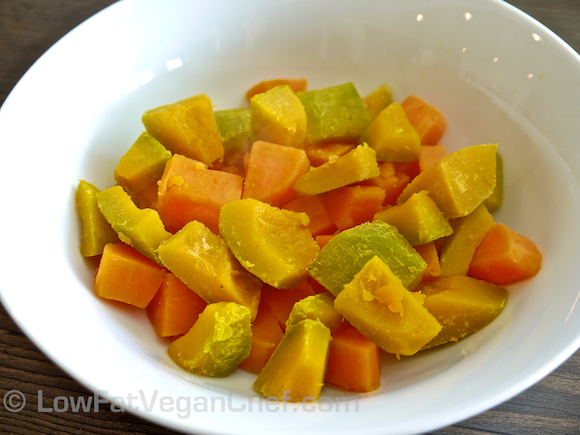
Steamed Yams (Sweet Potatoes) Kobocha Squash

This is the steamed yams and squash before I topped it with the veggies.

Low Fat Vegan Chef's Vegan Rainbow Steamed Veggie Bowl With Peanut Sauce

Veronica’s Easy Rainbow Veggie Bowl

Serves 2

Ingredients:

1 large yam/sweet potato, peeled and chopped
1 small Kabocha squash, peeled and chopped (Thai/Japanese pumpkin) or 2-3 cups frozen butternut squash cubes
1 12 oz./340 g mixed vegetables (I used broccoli, cauliflower and baby carrots)
1/2 bunch asparagus, ends trimmed and cut in half (or other vegetables as desired)
1/2 recipe of Thin Peanut Dressing (see recipe below)

Directions:

  1. Steam yams/sweet potatoes and squash in a medium-large pot in a steamer basket (if you have one) just until tender.
  2. When yams and squash are starting to cook, place other vegetables into another pot with a steamer basket (if you have one) and steam just until cooked. Be sure to check on them so that the broccoli doesn’t fall apart.
  3. Arrange steamed yams and squash into bowls and top with steamed vegetables. Drizzle with thin peanut dressing and serve!

Variations:

Use any other vegetables you desire instead of the asparagus, broccoli, cauliflower or carrots. You can also use ones like kale, Swiss chard, collard greens, Bok Choy, cabbage, onions, zucchini, etc.

Feel free to top your bowl with other goodies like seasoned tofu, tempeh, or black beans.

Kobacha squash can be substituted with Butternut squash, or even more yams/sweet potatoes if you like.

You can also serve with brown or white rice if you don’t want to use yams or squash.

(Oil-Free) Thin Peanut Dressing For Veggies

Serves 2-4

4 tbsp peanut butter
4 small dates, pitted or 1-2 tbsp of liquid sweetener of choice
1 clove of garlic
2 tsp light tamari or light soy sauce
2/3-3/4 cup water (to thin as desired)

Directions:

  1.  Add all ingredients to a blender and combine. Taste test and adjust seasonings if desired. Use as much or as little water as you like depending on how far you want your sauce to go.
  2. Serve over greens or steamed vegetables.

Additional Tips:

Refrigerate any leftovers for up to 3 days.

Variations:

You can also try almond butter, or tahini if you prefer instead of peanut butter. You can also add fresh ginger or a splash of apple cider vinegar if desired for different flavours.

What do you think of my Easy Rainbow Veggie Bowl with Peanut Sauce?

viagra

Filed Under: Cooked Vegan Recipes, Dinner, Eat To Live - Dr. Fuhrman Recipes, One Pot Meals Tagged With: asparagus, broccoli, cauliflower, easy, gluten-free, Macrobiotic, peanut, quick, soy-free, squash, sweet potatoes

How To Make Dr. Fuhrman’s Eat To Live “Anti Cancer Soup” With Step By Step Photos

February 27, 2012 by Veronica Grace

Fb-Button

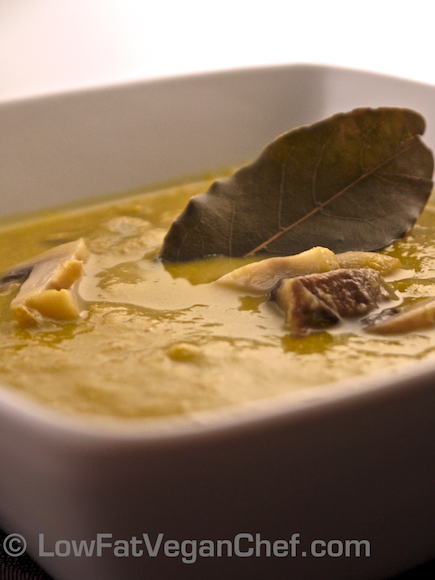
Dr. Joel Fuhrman's Eat To Live Anti Cancer Soup

FTC Notice: This post contains affiliate links that go towards supporting the blog.

Holy mackerel this “Anti Cancer Soup” recipe makes a ton of soup! You can eat for a whole week off of this one recipe. I decided to try and document Dr. Fuhrman’s famous “Anti Cancer Soup” as it seemed like a fairly intensive recipe and I took it as a challenge to make a soup an entirely new way. For this recipe you’re going to need a good juicer that can handle juicing a lot of carrots and celery. This is the one I use, it’s a medium priced Breville juicer and it does the job.

I met Dr. Joel Fuhrman last February (2011) at Dr. John McDougall’s 3 Day Advanced Study Weekend and he mentioned in his lecture about chopping onions, cooking them and then blending them into the soup for some additional nutritional benefits on how everything combines together. I do NOT remember the exact processes going on, he had a very scientific explanation for this. I will have to watch the recording of the lecture again to get it straight. But all you need to know is, this soup is HEALTHY for you and highly recommended by Dr. Fuhrman as a nutrient dense soup that’s crammed with veggies. Might I just add that Dr. Fuhrman is totally ripped and in amazing shape and his “Disease Proof” diet is definitely working well for him. I saw some pictures of his wife and daughters and they are all very slim and quite beautiful too. He should be very proud to have such a happy and healthy family setting such a great example on a oil free plant based diet.

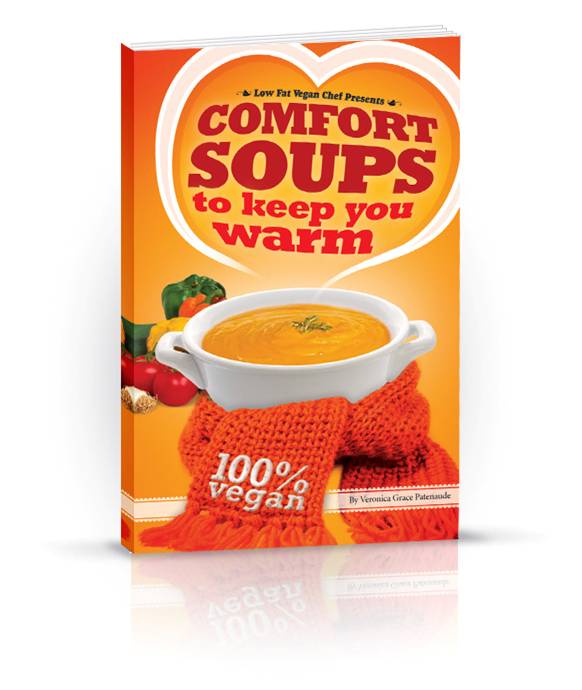
I just finished up a low fat vegan recipe book of my own called Comfort Soups To Keep You Warm, so I’ve made quite a bit of soup these past few months. I have actually nicknamed myself the “Vegan Soup Queen”  I’ve made so much soup lol! Dr. Joel Fuhrman’s “Anti Cancer Soup” recipe comes from his book Eat To Live (which is actually less than $10 on Amazon right now so check it out.) One thing about this anti cancer soup is that you can definitely tell it was designed by a man without any need for great culinary skills. It is very simple in presentation as everything is pretty much just blended together, and it’s something that you start cooking while you continue to prep the rest of your veggies as you go. So this seems very practical, albeit because of the amount of soup this recipe makes it can be a bit of work. What I like most about Dr. Fuhrman’s recipes is that they are oil free and really healthy, so this is right up my alley and I am happy to be able to make his recipes without any major modifications.


Dr. Fuhrman recommends that you make a big pot of this once and then eat it for the rest of the week, or freeze portions of it. It does take much more time and effort than my other soup recipes, but it makes a ton of soup and if you’re only doing this once or twice a month on a Sunday afternoon it’s no big deal. Better yet, get a helper to help you prep the veggies and then you can relax in between cooking steps! I really wish I had had a helper… haha Since his “Anti Cancer Soup” is such a big recipe with so many ingredients I wanted to estimate the cost of making it. Now just FYI this is approximately what I paid in Canada at a discount grocery store in 2012, and none of these items were bought in bulk. If you live in the USA and/or buy in bulk it will probably be a bit cheaper. But if you buy all organic produce it will definitely cost more.

Split peas ~$0.50
Raw cashews ~$5
Onions ~$5
Zucchini ~$4
Carrots ~$3
Celery $2.60
Leeks $3.49
Mushrooms $4.50

Total Cost: ~ $28.09

Divided by 12 servings:

$2.34 a serving

Dr. Joel Fuhrman's Eat To Live Anti Cancer Soup

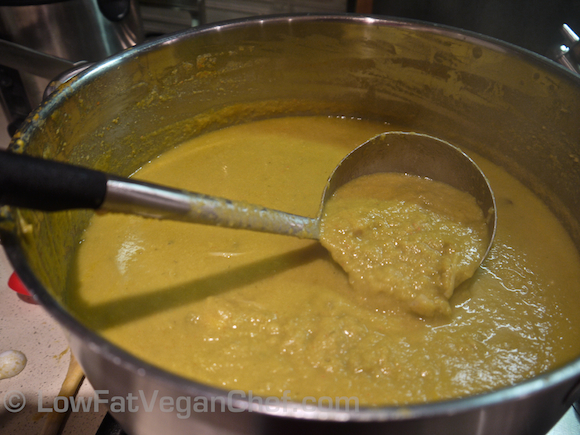
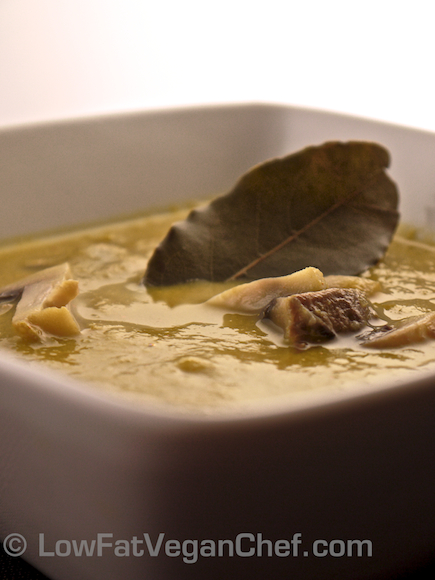
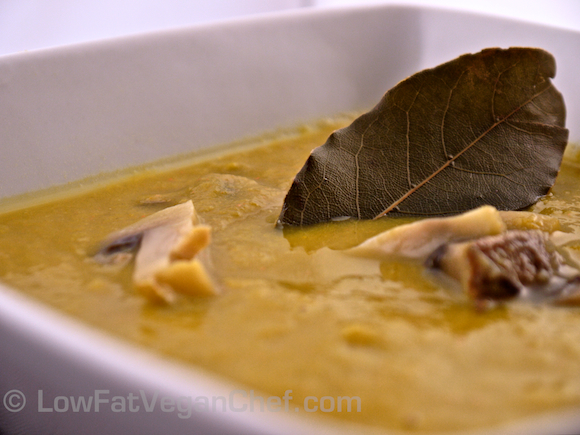
So when you divide the “Anti Cancer Soup” costs out by the number servings (and you will get at least 12 servings) it’s not too expensive. It’s a little less than the price of an organic canned soup and definitely less than buying lunch somewhere else. If I had to describe the taste of this anti cancer soup I would say that it mostly tastes like mild split peas with leeks and mushrooms. It’s not very strong tasting or in any way offensive. You can definitely eat it as is, or add some more herbs or spices to it. When I make soup I like to add things like thyme, bay leaves or other seasonings. I like really flavourful soups.


Now on to my step by step (with photos!) instructions on how to make this soup. My soup recipes have way less directions btw, I just wanted this to be clear as even I was scratching my head at all the steps when I made it the first time. It also looked very strange while cooking, so I didn’t want anyone else to be afraid or discouraged and not know what to expect! I took over 100 pictures of this recipe preparation! I hope you enjoy it. 🙂 Dr. Fuhrman also likes to add a cruciferous leafy green to his soup now too. So you can add a bunch or two of kale (stems removed) or collard greens if you desire.

Dr. Fuhrman’s Anti Cancer Soup (From Eat To Live) With A Low Fat Vegan Chef Twist

Total Time: 1 h 30 min

Serves 12

Ingredients:

1 cup dried split peas (green)

4 cups/1 L filtered water

4 large onions

4 large zucchinis or 8 small

3 medium leeks

leafy greens, broccoli or cauliflower (optional, about 2 bunches)

5 lbs./2.26 kg carrots

2 bunches of celery

1 cup raw cashews (un-roasted, unsalted)

1 lb/454 g mushrooms

2 tsp granulated garlic powder (his recipe has 2 tbsp VegiZest)

2 bay leaves (my addition)

1- 1 1/2 tsp Herbamare or salt (my addition)

Directions:

How To Make Dr. Joel Fuhrman's Eat To Live Anti Cancer Split Pea Mushroom Soup

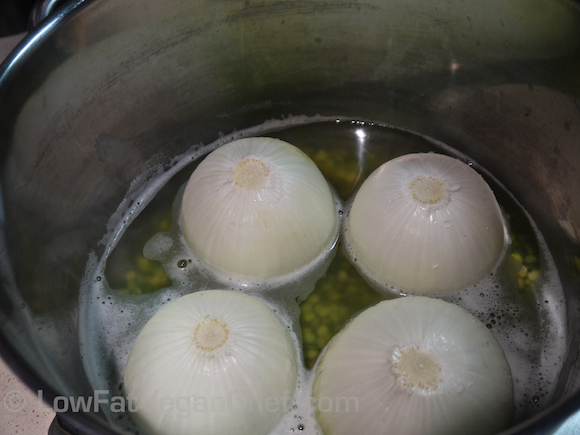
In a large 6 qt soup pot add 4 cups/1 L of water and the split peas and bring to a boil. Slice off the tops of the onions, shave off the roots and peel the outer skins and place them into the pot whole. (Update: Fuhrman now recommends cutting the onions up so their enzymes can react while cooking as this increases their nutrition.) Cover with a lid to start the steaming process. Once at a boil reduce  heat to medium low.


How To Make Dr. Joel Fuhrman's Eat To Live Anti Cancer Soup

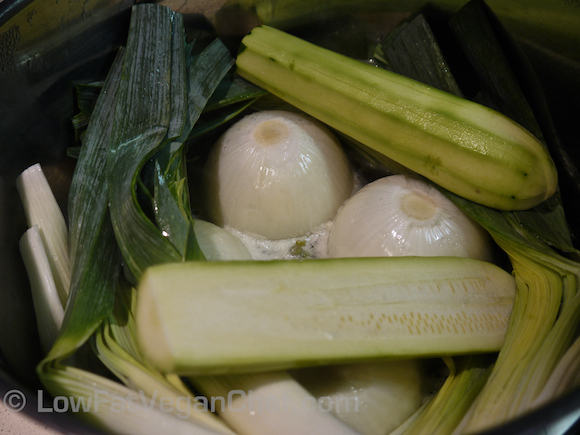
Peel the zuchinnis, and place in the pot uncut. (If they are large cut them in half lengthwise). Cut the bottom roots off the leeks and slice them up the side so each leaf can be thoroughly washed, because leeks have lots of dirt hidden inside. (This is a good tip, I found a little worm in one of my leaves. Gross.) Cut off the top inch of the leeks and discard. Then place the entire leek (leaves uncut) into the pot and cover again.

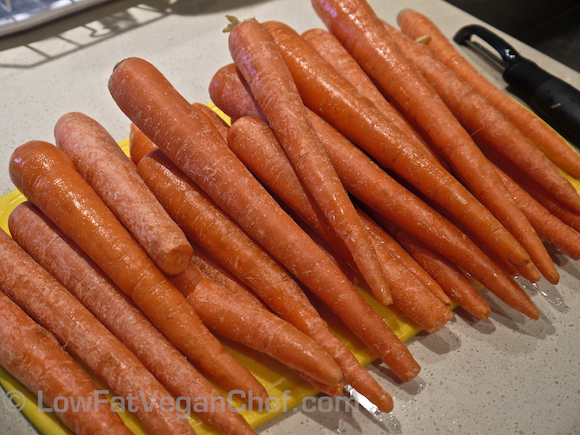
How To Make Dr. Joel Fuhrman's Eat To Live Anti Cancer Split Pea Mushroom Soup Peel and Juice Carrots

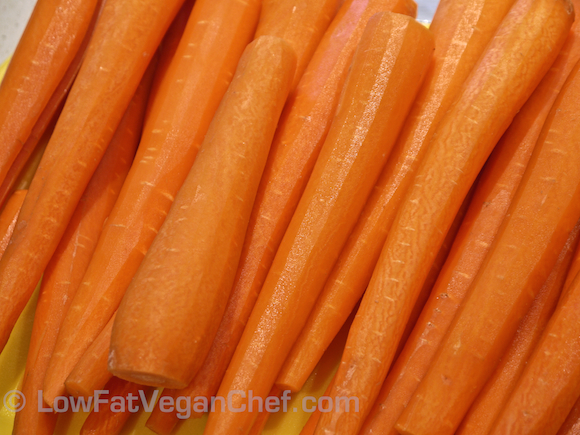
Oh, so THAT’S what 5 pounds of carrots look like…

How To Make Dr. Joel Fuhrman's Eat To Live Anti Cancer Split Pea Mushroom Soup Peeled Carrots

Peel the carrots. (If they are organic, this is optional) Whew that was hard…


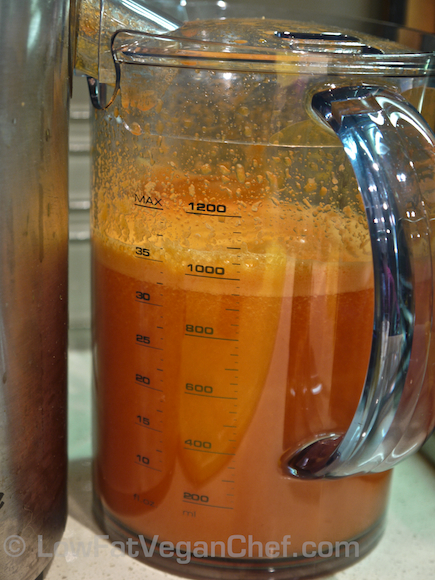
How To Make Dr. Joel Fuhrman's Eat To Live Anti Cancer Split Pea Mushroom Soup Carrot Juice

That’s a lot of juice! About 32 ounces worth

Juice the carrots in a juicer.

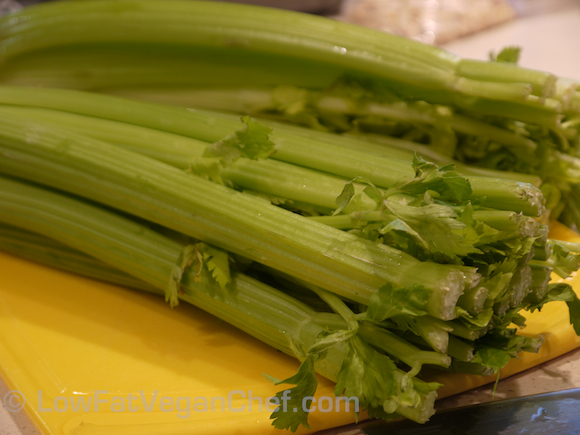
How To Make Dr. Joel Fuhrman's Eat To Live Anti Cancer Split Pea Mushroom Soup Celery

Wash the celery and cut off the tops and bottoms.

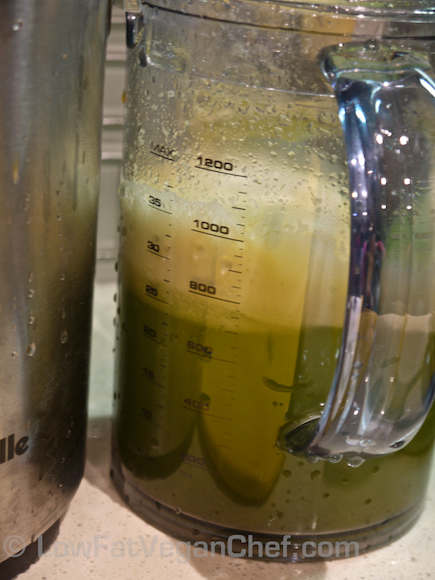
How To Make Dr. Joel Fuhrman's Eat To Live Anti Cancer Split Pea Mushroom Soup Celery Juice

Makes about 22-23 ounces

Juice celery in a juicer.


How To Make Dr. Joel Fuhrman's Eat To Live Anti Cancer Split Pea Mushroom Soup

(Ok now this is starting to look like witches’ brew….)

Add the juices to the pot.

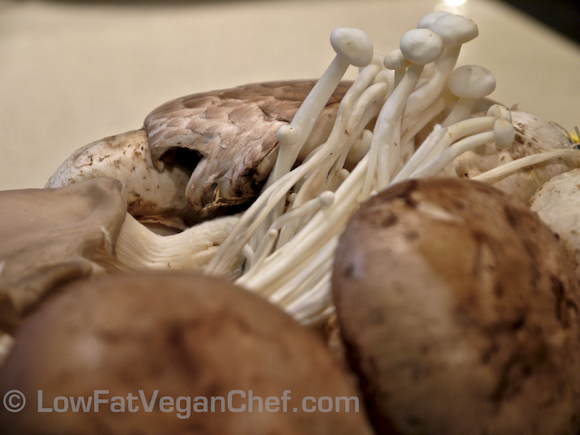
How To Make Dr. Joel Fuhrman's Eat To Live Anti Cancer Split Pea Mushroom Soup Mixed Mushrooms
I got a 1 lb pack of mixed mushrooms for variety. Really it was just a few different mushrooms on top of a layer of dirty white mushrooms… Marketing can be deceptive!
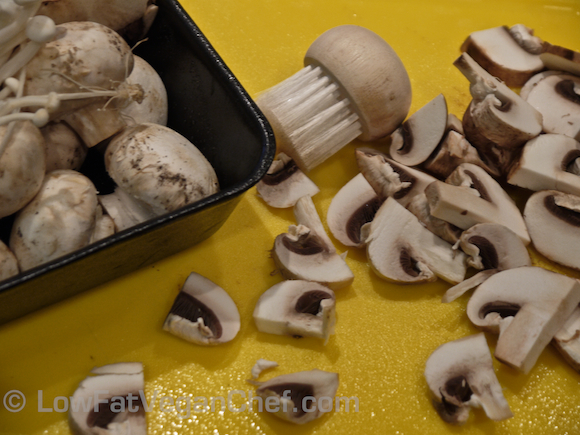
How To Make Dr. Joel Fuhrman's Eat To Live Anti Cancer Split Pea Mushroom Soup Cleaning And Chopping Mushrooms

While the soup is simmering, clean the mushrooms with a mushroom brush. Cut and slice up the mushrooms. By the time you get to this stage, the zucchini, leeks, onions should be soft. If they aren’t just keep cleaning and chopping the mushrooms.

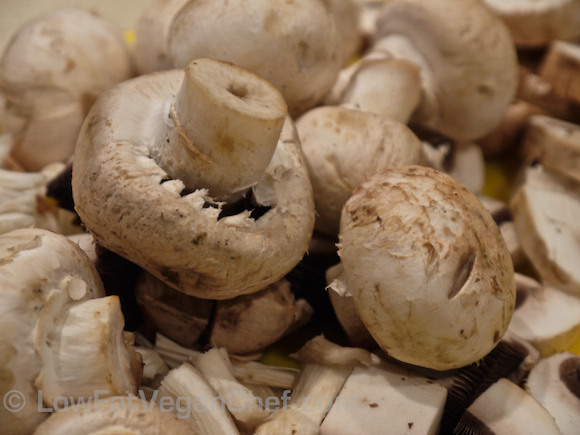
How To Make Dr. Joel Fuhrman's Eat To Live Anti Cancer Split Pea Mushroom Soup Cleaned Mushrooms

Pretty mushrooms…

How To Make Dr. Joel Fuhrman's Eat To Live Anti Cancer Split Pea Mushroom Soup Blending Soup in Vitamix


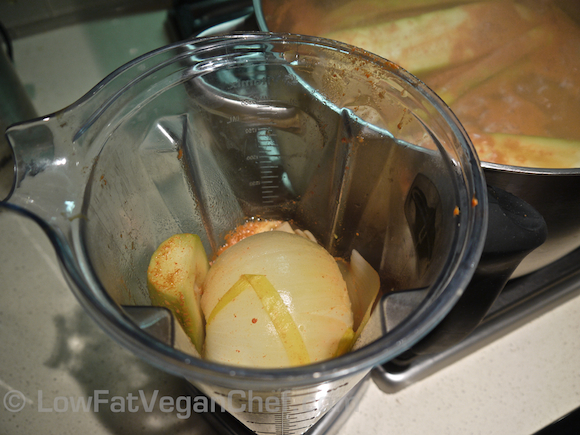
Ladle some of the liquid from the pot into a Vitamix or food processor. Use tongs to remove the soft onions, zucchini, and leeks. Be careful to leave the split peas or beans in the bottom of the pot.

How To Make Dr. Joel Fuhrman's Eat To Live Anti Cancer Split Pea Mushroom Soup Blending Soup In Vitamix

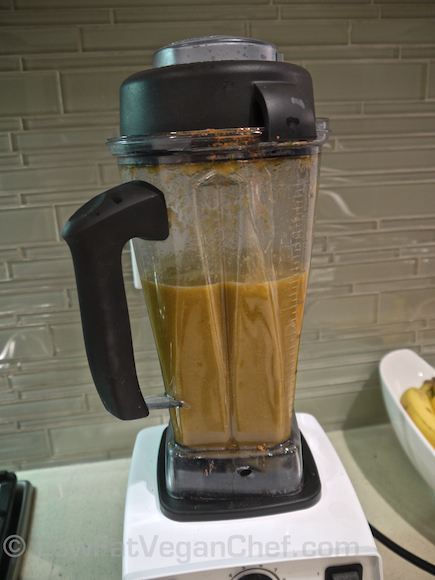
In a few separate batches, completely blend together the onions, zucchini, and leeks. Pour the blended mixture back into the pot.

How To Make Dr. Joel Fuhrman's Eat To Live Anti Cancer Split Pea Mushroom Soup Blending Soup In Vitamix

How To Make Dr. Joel Fuhrman's Eat To Live Anti Cancer Split Pea Mushroom Soup Adding Cashews To The Soup

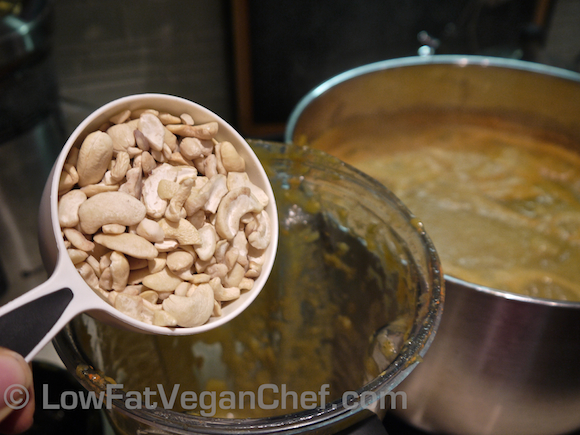
Add a lot of liquid to blend the cashews, don’t make the same mistake I did or it will become thick like cashew butter.


Add more soup liquid (lots) and cashews to the mixture, and blend in.

How To Make Dr. Joel Fuhrman's Eat To Live Anti Cancer Split Pea Mushroom Soup Adding Cashews To The Soup

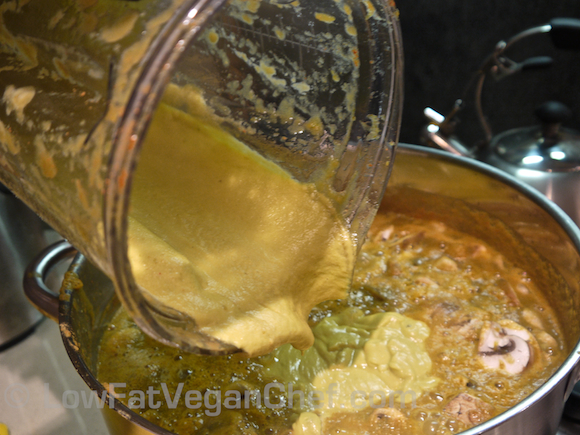
Return the blended, creamy mixture back to the pot.

How To Make Dr. Joel Fuhrman's Eat To Live Anti Cancer Split Pea Mushroom Soup Adding The Mushrooms

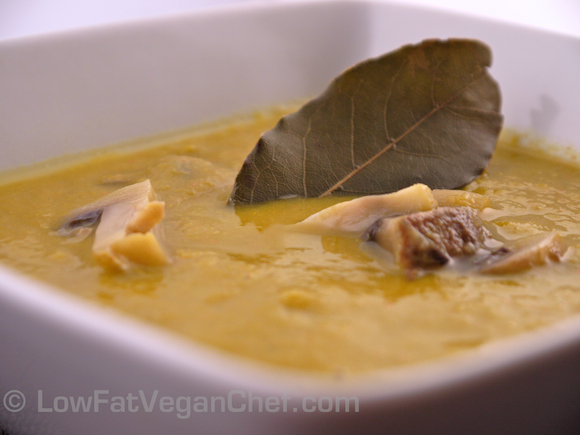
Add the sliced mushrooms and bay leaves. Simmer another 20-30 minutes until mushrooms are tender.

(This time I used to cleaned my kitchen, which now looked like a soup bomb went off in it! The funny part is, this is EXACTLY what Dr. Fuhrman and his wife do too. See how this recipe is obviously designed by a man? Very practical. haha)

How To Make Dr. Joel Fuhrman's Eat To Live Anti Cancer Split Pea Mushroom Soup Blended


Season to taste with granulated garlic and Herbamare or other salt free seasonings if desired.

How To Make Dr. Joel Fuhrman's Eat To Live Anti Cancer Split Pea Mushroom Soup

Remove bay leaves and serve. (Now that your kitchen is clean you can sit down, relax and enjoy!)

How To Make Dr. Joel Fuhrman's Eat To Live Anti Cancer Split Pea Mushroom Soup

If you LOVED this recipe you’ll love my new ebook Comfort Soups To Keep You Warm:

You WILL have lots of leftovers from Dr. Fuhrman’s “Anti Cancer Soup”. Save the rest in containers and use for lunches for the next week. Might I add that this was probably the hardest soup I’ve had to make look delicious in a photo. I tried really hard. It tastes better than it looks!

Nutritional Information: 12 Servings

Amount Per Serving: Calories 179.2 Total Fat 1.0 g Sat. Fat 0.2 g Poly Fat 0.5 g Mono Fat 0.1 g Cholesterol 0 g Sodium 593 mg Potassium 1,577.9 mg Carbs 40.0 g Fiber (unknown due to carrot and celery juice data unavailable) Sugars 12.7 g Protein 7.1 g


Filed Under: Eat To Live - Dr. Fuhrman Recipes, How To, One Pot Meals, Soups and Stews Tagged With: Carrots, celery, Eat To Live, Fuhrman, gluten-free, Leeks, mushrooms, soy-free, split-peas

Fat Free Vegan “Clean Out The Refrigerator Fuhrman Soup” or How To Make Homemade Soup From Scratch Easily

February 15, 2012 by Veronica Grace 27 Comments

Fb-Button

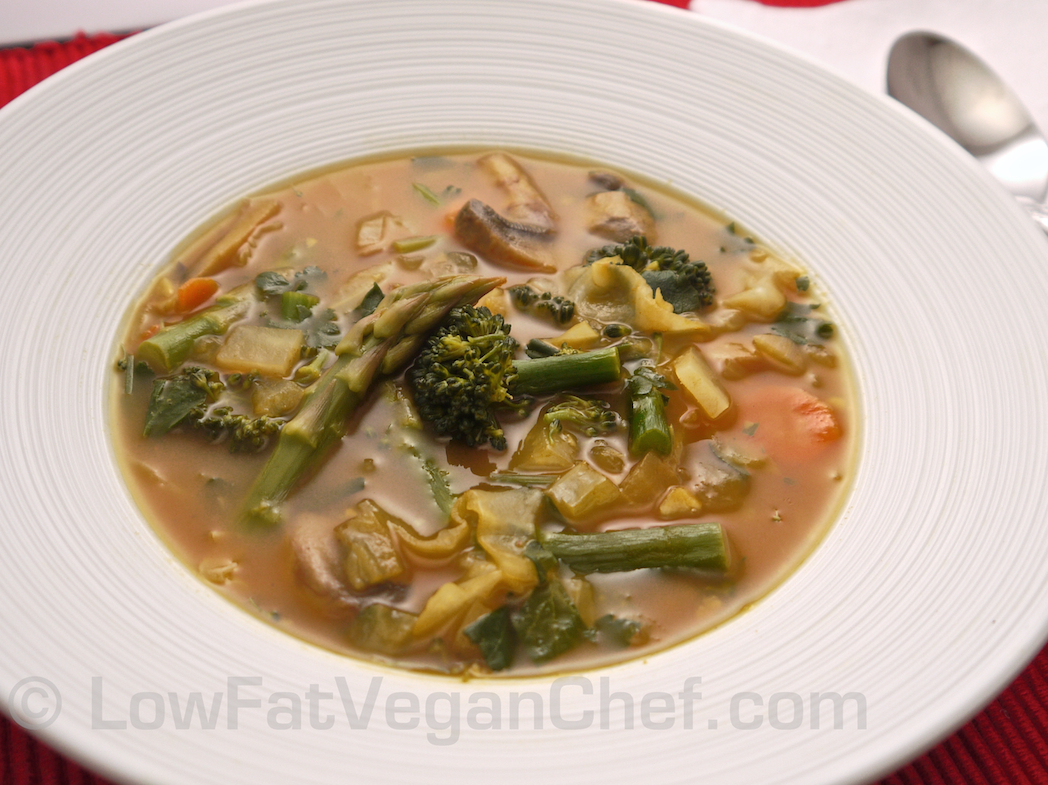
Low Fat Vegan Clean Out The Refrigerator Vegan Vegetable Soup Nutrient Dense Soup

FTC Notice: This post contains affiliate links that go towards supporting the blog.

This recipe is featured in my Comfort Soups To Keep You Warm recipe ebook along with 29 other AMAZING vegan soup recipes, vegetable stock recipes, and all the tips and tricks to making ANY kind of soup. It’s going to teach you basically to be a soup making expert and be able to cook delicious healthy meals at home, very easily from what you have around.

Somedays you just don’t know what to make for dinner, or only have odds and ends leftover from previous recipes. You look in your refrigerator and see a few carrots, an onion, some celery, some greens and maybe some mushrooms that have seen better days.


What do you do with it all?

You make homemade vegetable soup of course! This is what I do when I feel creatively drained or uninspired to make a new recipe from scratch.

This is also a great way to eat a “Nutrient Dense” or “Eat To Live” style vegan meal like Dr. Joel Fuhrman recommends. (Check out his books Super Immunity, or Eat To Live, if you already haven’t) Lots of low calorie, high antioxidant plant foods, gently cooked together are wonderful. In Feb 2012 I was at the McDougall 3-Day Advanced Study Weekend, and Dr. Fuhrman was telling us the benefits of eating just 1/2 an onion a day, about 1 tomato and just 1 mushroom and how nutritious these are to add to your diet regularly. He has an amazing wealth of knowledge, and I am definitely going to be making more nutrient dense, low calorie green vegetable based dishes from now on.

This soup is a great way to get more of these antioxidants and phytochemicals into your diet in a fairly easy no-fuss way. It’s also a great vegan cabbage soup recipe that is low calorie and packed with veggies.

It is also especially handy to keep some vegetable broth on hand (low sodium is always preferable) for just such an occasion, so you don’t have to make your own vegetable stock as well when you’re short on time. (When I do have time I like to make fresh vegetable stock every week and keep it in the fridge for daily sautéing and making soup with)


Making your own nutrient dense vegan homemade soup from scratch is quite easy. The hard work is only peeling and chopping your veggies. Basically use what you have and always start cooking the onions and the hardest vegetables first (so peel and prepare those first) and they can start cooking while you finish peeling/washing and slicing the other veggies.

It also helps to have some fresh herbs on hand. My top picks would be thyme, dill, basil, cilantro or parsley. These can easily be used up in soup recipes if you have any stray or wilting bits left, so don’t throw them away.

And as with making almost any homemade soup, I always throw in a few bay leaves. They really add a lot of flavour and are great for seasoning soup, vegetable stock or dried beans.


Basic Ingredients For Making Your Own Homemade Nutrient Dense Soup

  • Low sodium vegetable broth (water and salt is not a good enough substitute for this, low salt bouillon and water will do in a pinch)
  • Any vegetables such as carrots, celery, mushrooms, potatoes, yams/sweet potatoes, golden beets, turnips, broccoli, cabbage, spinach, kale, swiss chard, peas, corn, etc
  • Beans or grains (if desired) white beans, lentils, chickpeas, pinto beans, black beans, barley, rice, pasta, etc (make sure beans are pre cooked, or canned before adding)
  • Fresh herbs/dried herbs like thyme, bay leaf, dill, basil, rosemary, cilantro, parsley, Italian herb seasonings, Herbs De Provence etc
  • Base flavor enhancers like canned tomatoes, tomato paste, coconut milk or almond milk (depending whether you want a tomato-ey or creamy soup) *This is optional
  • Seasonings like salt, pepper, lemon juice, lime juice, sweetener (to balance acidity from tomatoes or lemon if desired) cumin, chili pepper, cayenne, smoked paprika, etc

If you add some things from each category (especially ones that you personally like…) and can season to taste and balance out blandness by kicking it up with some lemon, salt and a little sweetener if desired you will have a great soup on your hands.

Also a trick I have for bringing out sweetness to tomato based soups is to add golden beets to it. Golden beets can be found at your health food store, and some grocery stores or farmers markets. They are becoming more popular nowadays. They look almost like small yellowish turnips, but they are beets! (For one thing they don’t turn your hand red and make a mess) They contain natural sugars that leak out into the vegetable broth, so it balances out the harsh acidity of tomato based vegetable soups and goes really well with beans or barley as well. Just make sure you cut the pieces into little cubes, and start cooking them right away with the onions in broth. They take the longest to cook, so you don’t want them to be crunchy while the rest of your vegetables are soft.


Additional Pointers For Cooking Homemade Soup

If you want a fast soup, cut all your veggies (especially potatoes and beets) into smaller cubes so they cook faster. Always add these first to the pot along with carrots and celery. Fresh hard herbs like thyme or rosemary need to go in at the beginning of the soup. Dried or tender herbs like basil, cilantro or parsley can go in near the end of cooking to retain their flavour. Quick cooking veggies like greens, broccoli, asparagus or cauliflower should be added 3-5 minutes before your soup is done so they don’t fall apart and go mushy. Canned corn is very forgiving and can go in at the beginning of cooking and will hold it’s firmness. Canned beans should go in the last 10 minutes or so of cooking as they are fairly soft already and you don’t want them to be mushy and overcooked. Always salt and pepper your soup at the end. Don’t just keep adding salt every time you stir it. When some of the water dissipates you can be left with an over salted or over spiced soup. Always reserve taste testing for the end when everything’s cooked and you can doctor up the flavour from there. Start with a little salt, pepper, spice, or sweetener and keep tasting and adding until you get it right to your liking. Always use low sodium, sodium free and sugar free canned foods so you can control the salt and sugar content of the soup. Read labels! *Note about adding pastas to soup. I really prefer cooking most pastas separately and then putting it into serving bowls and pouring the soup over it. This makes your soup nice and clear and pretty and reduces the risk of over cooking it. If you do cook the pasta in the soup, it’s going to use up some of the water and make it murky with the starch. Check the cooking time of your pasta and add it part way through the soup when the vegetables are starting to be almost soft enough.


And now my made up on the spot “throw it all in a pot” and cook it soup. This is a great way to get more greens into your diet or use up any extras that you don’t have a recipe planned for. This soup is packed with green vegetables, but is light and refreshing. We ate this by itself and basically ate the whole pot because it’s very low in calories. This is a great first course or “weight-loss soup” as well. Fill up on healthy vegetables!

Low Fat Vegan Clean Out The Refrigerator Vegan Vegetable Soup Nutrient Dense Soup

“Clean Out The Refrigerator” Homemade Vegetable Soup

Featured in Comfort Soups To Keep You Warm by Veronica Grace

Serves 6

Ingredients:

2 litres/quarts vegetable broth, (low sodium or homemade)
1 large onion, diced
4-6 cloves of garlic, minced
1-2 bay leaves
1 tbsp fresh thyme, or 1 tsp dried (or favourite herbs, like dill, basil, etc)
2 carrots, sliced
2 stalks of celery, sliced
1 medium golden beet or turnip, diced small (smaller is better)
1-2 cups of sliced mushrooms
6-8 asparagus spears, ends trimmed and cut into thirds (or other green vegetable of choice like zucchini)
2 cups broccoli or broccolini florets
2 cups sliced green cabbage, or other greens like kale or Swiss chard
handful of parsley, chopped
juice of half a lemon
Herbamare or sea salt and fresh ground pepper to taste


Directions:

1. Add 1 cup vegetable broth to a large soup pot and turn onto medium heat. Add bay leaves, thyme, onions and beets and sauté for 5-6 minutes. Add more broth if necessary to beets until they are almost covered.  (While this is cooking you can continue peeling/slicing your other veggies)

2. Add the mushrooms, garlic, carrots, celery, cabbage and the rest of one carton of vegetable broth. Stir and let it keep cooking over medium-medium high heat for about 10-15 minutes. Add more vegetable broth if needed from the other carton. You want your vegetables to be almost done before adding the broccoli and asparagus. Check on the beets, if they are still too hard keep cooking until they are almost done.

3. Add the remaining vegetable broth and bring it up to a boil. When it’s boiling, turn it back down to medium-medium high and add the asparagus, broccoli and parsley (and any spinach if using). Cook for 2-4 minutes (depending on the size you cut them) and test the broccoli and asparagus for doneness. You don’t want them too wilted or mushy. When done immediately take off heat.

4. Add lemon juice, salt and pepper and season to taste. Adjust seasonings if desired.

5. Serve!


What do you think of this “Eat To Live” style recipe? Have you ever made homemade soup before? What do you do with your leftover vegetables?


Filed Under: *My Recipe Books, Cooked Vegan Recipes, Eat To Live - Dr. Fuhrman Recipes, How To, One Pot Meals, Soups and Stews Tagged With: asparagus, broccoli, cabbage, Carrots, celery, Eat To Live, fat-free, gluten-free, mushrooms, nut-free, soup

Fat Free Vegan Eggplant Chickpea Indian Curry With Fire Roasted Tomatoes

February 12, 2012 by Veronica Grace 27 Comments

Fb-Button

Fat Free Vegan Eggplant Chickpea Curry Aubergine Oil Free Baingan Bharta

Fat free vegan cooking is really easy, once you know how to skip the oil and prepare delicious home cooked meals that taste just as good if not better without the extra grease and calories.

I love eggplant (aubergine) and eggplant curries, I also love chickpeas in almost everything. The bad thing about Indian food is that it is normally so oily and greasy and this can make it unhealthy and too rich. Eggplant absorbs MORE oil than ANY other vegetable just from sautéing in oil. If you cook it in oil on the stove it absorbs it so well that it becomes 50% fat by calories just like a potato chip. So I suggest to not slather oil on your eggplant or deep fry it, ever… Regardless of how delicious it may be. Your waistline and arteries will thank you.

The best Indian food I’ve ever had, has actually come from my kitchen. Not because I am an awesome Indian cook or anything, but because I use the freshest ingredients, and absolutely no oil, and we feel awesome after eating it, not like taking a nap as you do from take out. Any time we eat Indian food at a restaurant, we almost immediately regret it. Despite pleading with them to use very little oil, it is still very greasy. Indian and Chinese food in general are prepared with so much oil to keep things from sticking to the pan and slide out easily onto the plates. Also because people kind of expect it to be greasy.

There aren’t too many already vegan Indian staple dishes but Baingan Bharta (Eggplant Curry) and Chana Masala (Chickpea Curry) are two of them, and of course my favourites. I have made them separately before, but I wanted to start practicing my photography for a new cookbook I’m working on, and this means I pretty much have to shoot in portrait style. As I am mostly a landscape photographer, this is difficult for me to get used to and setting up the shot. As you have way more background in it, you need to add things to decorate.

This isn’t my best. I need some more props, but I didn’t have white rice, or dal or anything to put in the background, so it’s a little sparse.

I will continue practicing, and I spent the evening ironing all my pretty coloured napkins so they are ready to go for next time.

This recipe is not an original of mine, it is adapted from Fat Free Vegan. I also doubled the recipe as this was my main I and served it with rice and saved the leftovers. Another good reason to double recipes, is that it doesn’t really take more time to make more of it, and then if you have left overs you can eat it for lunch, or even use this as filling for a delicious wrap on the go! The recipe below is the single version.

Fat Free Vegan Eggplant Chickpea Curry

Serves 4 as a side dish

Ingredients:

1 large eggplant/aubergine, or two small (this needs to be prepared in advance)
1 medium onion, chopped
1/2 red bell pepper seeded and diced
1 1/4 teaspoon cumin seeds
1 1/4 teaspoon ground roasted coriander (or regular)
1/2 teaspoon turmeric
3 cloves of garlic, minced
14 oz can Muir Glen Fire Roasted diced tomatoes (or regular)
2 tsp of ginger root, finely minced
1-2 tsp sugar or sweetener (to balance acidity, or as desired)
1/2-1 tsp herbamare or salt
1/8-1/2 tsp cayenne pepper (I don’t like spicy, so I use very little)
15 oz can chickpeas (like Eden Organic) , rinsed and drained (low sodium) or 2 cups cooked chickpeas
1/2 -1 cup water, to keep mixture from sticking
1/4 cup minced cilantro
1/4 teaspoon garam masala (start with less and add more to taste)
non stick spray

Directions:

1. Preheat oven to 400 degrees. Prick the eggplant(s) with a fork all over and place on a baking sheet. Bake for about 50-60 minutes, until the eggplant(s) is/are collapsing and soft in the middle. Remove from the oven when done and set aside until cool enough to handle. Slice open the peel, pull the peel off and chop the eggplant flesh into cubes.

2. Heat a non-stick skillet and then spray it lightly with non stick spray (normally I do not do this, but as it’s going to cook for a while, mine started sticking and burning as I have a gas stove). Add the onion and cook until it begins to turn golden about 5-6 minutes.

3. Add the bell pepper and cook for a 3-4 minutes. If anything starts sticking use a tbsp or 2 of water.

4. Clear a spot in the center of the skillet and sprinkle the cumin seeds directly on the hot surface. Stir and toast them gently for about a minute, until they are browning.

5. Stir and then add the coriander, turmeric, garlic, tomatoes, ginger, and cayenne (if desired).

6. Add the eggplant and cook over medium heat, for about 10 minutes. Add water if necessary to keep from sticking.

7. Add the chickpeas and enough water or chickpea cooking liquid to keep the mixture moist, cover tightly, and turn heat to low. Cook for at least 10 minutes, stirring periodically, until sauce has thickened and flavors have blended. Don’t let it burn. (You can hold this dish on low for up to 45 minutes while you prepare the rest of your meal, but add additional liquid as needed and don’t forget to stir, scraping the bottom.)

8. Add sweetener (if desired), herbamare or salt and garam masala. Always use a lower amount first and then taste test, so you don’t use too much of either. Season as desired.

9. Scoop into bowls and garnish with fresh cilantro.

10. Serve with basmati rice or dal.

 Additional Tips: 

Fire roasted tomatoes make every recipe that calls for canned tomatoes, even better. There is a huge difference. My favourite are Muir Glen fire roasted diced tomatoes (now BPA free). If you don’t have time to make your own chickpeas, Eden Organics also come BPA free too. Roasted coriander has a nicer flavour than regular, McCormick (available at many regular grocery stores) makes a great selection of roasted spices. You can make your own roasted spices if you want too. If you have coriander seeds, you can toast them in a pan dry and then grind them in a coffee grinder. Cumin powder can be substituted for cumin seeds if you like, the flavour will be a little different however.

I buy my garam masala from a specialty spice store. If you want to make your own Susan’s V’s recipe is here: 1 tablespoon black cardamom seeds, 1 cinnamon stick (about 2 1/2 inches long), 1 teaspoon cumin seeds, 1 teaspoon whole cloves, 1 teaspoon black peppercorns. Grind in coffee or spice grinder until powdered. Heat a small, dry pan. Add spices and toast just until fragrant, about 1 minute. Remove from heat, transfer to a bowl, and allow to cool. Once cool, store in a sealed jar for future use. Garam masala is always used after cooking is complete to control the spiciness of the dish. Do not add it in while a dish is cooking as you may over spice it and make it too hot.

What do you think of this dish? What’s your favourite use for eggplant or chickpeas?

Filed Under: Curries, Dinner, Eat To Live - Dr. Fuhrman Recipes, Indian Dishes, McDougall Program, One Pot Meals Tagged With: chickpeas, eggplant, fat-free, gluten-free, Indian Dishes, nut-free, roasted tomatoes

Kik Alicha (Vegan Ethiopian Yellow Split Pea Stew)

October 3, 2011 by Veronica Grace 23 Comments

Fb-Button

I love Ethiopian food, when it’s fresh especially, but also because it is very tasty and filling as well.

Some of the dishes are very easy to make, and taste perfectly fine using zero oil. The lentil and split pea dishes are especially tasty and easy to make.

This yellow split pea stew one is my absolute favourite of all Ethiopian dishes because it is mild and savoury. I’m not one for the spicy dishes like mesir wot, but you can always add some spiciness to this dish if you desire.

Serve this Kik Alicha with injeera, rice or even Indian bread like chapati or roti for a whole meal.


Kik Alicha (Ethiopian Yellow Split Pea Stew)

Serves 2 as mains for an Ethiopian dinner

Ingredients:

3 cups water
vegetable broth as needed
1 cup dried yellow split peas, rinsed
1/2 medium onion, chopped
3 cloves garlic, minced
1 inch chunk of fresh ginger, peeled, and finely chopped
1/2 teaspoon turmeric
3/4 – 1 tsp herbamare or salt
pepper to taste

Directions:

1. Place water and the split peas in large pot. Bring to a boil. Reduce heat to medium; and cook about 30 minutes, just until tender. (Alternatively you can cook them in a pressure cooker, use a digital electric pressure cooker as it has a non stick pan, don’t do this in a metal stovetop pressure cooker as it can burn to the bottom.)

2. In a frying pan, add some vegetable broth and bring to high heat. Add onion, reduce to medium high and cook until translucent, about 5 minutes. Add more broth as needed Add the garlic, ginger and turmeric; cook another 5 minutes.

3. Once done, add the mixture to cooked peas; stir in salt and pepper. Simmer until peas are very soft, and almost mushy about 30 minutes more. Taste test; adjust seasonings if needed.

What’s your favourite Ethiopian dish?

Filed Under: Cooked Vegan Recipes, Dinner, Ethiopian Dishes, One Pot Meals, Soups and Stews Tagged With: easy, Ethiopian Dishes, fat-free, gluten-free, lentil, nut-free, soy-free, split-peas, stew

  • « Go to Previous Page
  • Page 1
  • Page 2
  • Page 3

Primary Sidebar

Follow Us:

Newsletter

Get The Low Fat Vegan Starter Kit

natural organic skin care line

Free Skincare Samples

Earn Free Crypto At Binance

Earn Free Bitcoin on Gemini Exchange

Earn $10 in Bitcoin With Gemini Exchange
Dr. Fuhrman
Dr. Fuhrman
Dr. Fuhrman

Tags

80/10/10 apple avocado banana blueberries breakfast broccoli Carrots celery chickpeas cilantro corn cucumber Curry dill dinner easy Eat To Live fat-free gluten-free how-to Indian Dishes lemon low-fat mango mexican mushrooms nut-free oil-free pasta pineapple plant-based raw raw vegan rice smoothie soup soy-free spinach tofu tomato tomatoes vegan vegetarian vitamix

Secondary Sidebar

Recipes:

  • Cooked Vegan Recipes
  • *My Recipe Books
  • Breads and Baked Goods
  • Breakfast
  • Brunch
  • Burgers
  • Casseroles
  • Curries
  • Desserts
  • Dinner
  • Dips for Veggies or Chips
  • Eat to Live-Dr. Fuhrman Recipes
  • Engine2Diet
  • Ethiopian Dishes
  • Greek
  • Green Dishes
  • Holiday
  • Indian Dishes
  • Mexican
  • One Pot Meals
  • Pasta
  • Pizza
  • Quinoa
  • Salads
  • Sandwiches and Wraps
  • Raw Vegan Recipes
  • 80/10/10
  • Raw Breakfast
  • Raw Desserts
  • Raw Dips
  • Raw Dressings
  • Raw Entrees
  • Raw Juices
  • Raw Salads
  • Raw Smoothies
  • Raw Snacks
  • Raw Soups
  • Sauces
  • Side Dishes
  • Slow Cooker Recipes
  • Snacks
  • Soups and Stews
  • Spices/Seasonings
  • Sushi
  • Thai
  • Vietnamese

Copyright © 2026 · Foodie Pro & The Genesis Framework