• Skip to primary navigation
  • Skip to main content
  • Skip to primary sidebar
  • Skip to secondary sidebar

Plant Based U

Fat-Free and Low Fat Vegan Plant Based Recipes

  • Home
  • Recipes
    • Raw Vegan Recipes
    • Cooked Vegan Recipes
    • Eat to Live Dr. Fuhrman Recipes
  • Products
  • Coaching
  • Videos
  • Articles
  • About
    • What Is Low Fat Vegan/Whole Foods Plant Based
    • Resources
  • Contact

How To

Fb-Button

10 Tips For Eating Out Raw At Restaurants

June 18, 2013 by Veronica Grace 1 Comment

Fb-Button

Depending where you live, you might be more or less able to continue your raw eating habits when dining out with friends and family.

Just because you are a raw foodist, it does not mean that you have to eat all of your meals alone or at home (unless you want to). Some people in your life might even be put off with the fact that you no longer socialize the way they do. Although you are living a healthier (and hopefully happier) life than some of your friends with unhealthy eating habits, there’s no reason to make an outcast of yourself.

Many times your friends and family just don’t understand, they think it’s too hard to stop eating the foods they grew up with and have come to love. They think what you are doing is hard work, unsatisfying, isolating etc.

Well, why not show them they are wrong? You’re still the same person, you just have a more informed view on food and health. So find a compromise and demystify these negative attitudes they have about raw food being “rabbit food” and “not people food”.

With vegan and vegetarian restaurants popping up all over the world, it’s no longer unheard of, and vegan diets are gaining ground.

Now, you might not have access to a raw food restaurant full of imitation SAD comfort food dishes, but here are some tips on how you can still socialize and eat out once in a while.
 

10 Tips for Eating Raw at a Regular Restaurant

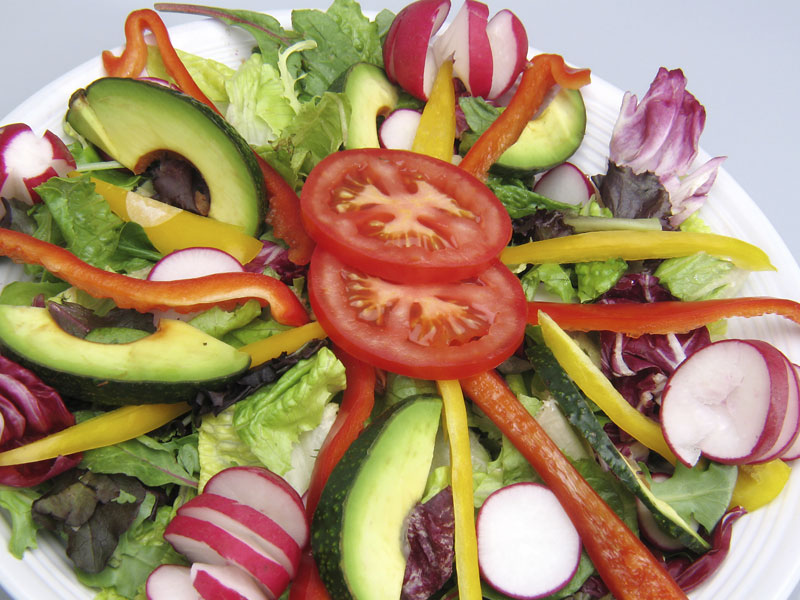
1. Call the restaurant ahead of time to see if they can accommodate any special raw meal request, many restaurants have a large supply of vegetables and in season fruits. A larger restaurant or chain might accommodate you better as small vegan restaurants often have less produce and offer primarily cooked meat replacement dishes.

2. Find a restaurant that has an all you can eat salad bar or buffet style restaurant with a salad bar.

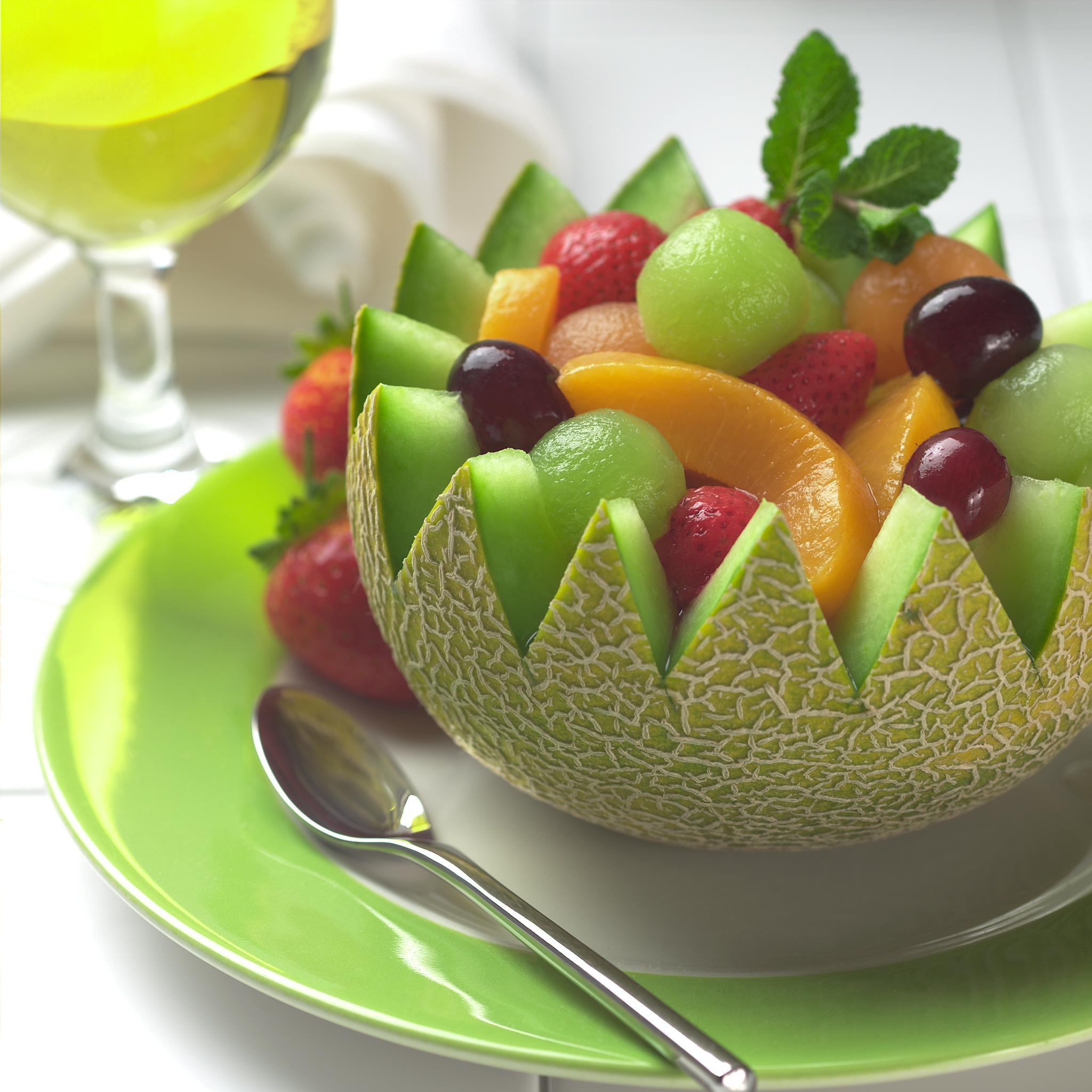
3. Order a fresh fruit smoothie or juice to start (if available), or bring your own in a travel container.

4. Let your waiter know of you dietary needs and ensure they understand what uncooked, and vegan food means.

5. Ask your waiter for suggestions of salads or appetizers on the menu that can be modified. Also ask about any cold soups available that are made with raw ingredients.

6. Bring your own low fat salad dressing. Restaurant dressings are riddled with preservatives and excitotoxins. The standard olive oil and balsamic vinegar might be ok once in a while, but know that any oil served in a clear glass container becomes rancid when exposed to light and is not very fresh.

7. Ask if the restaurant has fresh avocado or seeds for your salad, or bring your own.

8. Ask the waiter to talk to the kitchen to see what raw fruits and vegetables they have available and be creative to make a dish not on the menu. A lot of restaurants serve fruit cups for breakfast, so check if they have any left.

9. If your friends want to order an appetizer and you’d like to eat with them, bring your own raw hummus and ask the waiter to cut fresh carrot and cucumber slices for *chips* so everyone can try it.

10. If you’re feeling tempted by desserts at the end of your meal, bring some dates and have a few to satisfy your sweet tooth (if you haven’t eaten enough fruit before the meal).

If you have access to a raw food restaurant, or perhaps have some friends that are interested or used to this type of fare, here are some tips for eating out at a raw food restaurant and not compromising your taste buds or digestion.
10 Tips for Eating Out at a Gourmet Raw Food Restaurant:

1. Check out Happy Cow or yelp.com for restaurants in your area.

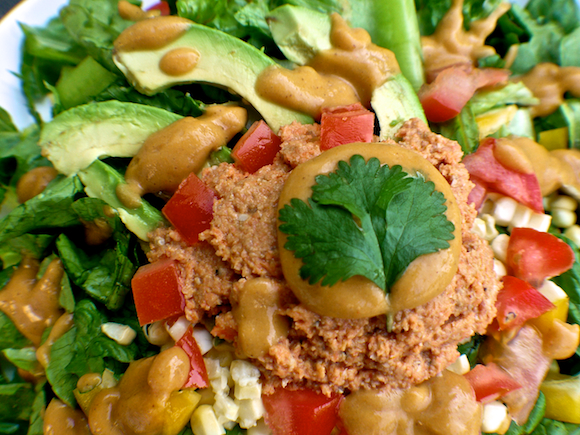
2. Look at the restaurant menu in advance (either in person or online) and analyze the menu for healthier options. Most raw restaurants base all entrees around oil and nuts and can be very hard to digest.

3. Order a fresh juice or smoothie to start (or several if they are tiny!).

4. Talk to the waiter to find out what dishes can be made without added oils or salt (if you’re concerned).

5. Order a salad or salad roll for an appetizer and don’t mix oils, nuts/seeds, or avocado in the same meal, choose 1 type of fat (for best digestion and low fat lifestyle).

6. Try to fill up mostly on fruit and salad before ordering a tempting dinner entree.

7. Look for dishes that contain vegetables or fruits for the base of the meal instead of flax crackers or nut breads. Or ask for a hummus or dip to come out with carrot and cucumber slices instead of the bread and crackers.

8. Plan ahead of time to use this meal as your higher fat meal to balance out your overall fat intake for the week. i.e Try having a no fat day the day before or after this treat day.

9. Share an entree item with a friend if you just want a taste and not the whole heavy meal.

10. Ideally, say no to dessert, (or at least no to the pie crust portion or nut “cheesecake”). Ask if they have raw sorbet or banana ice-cream instead for a healthier treat.

If you keep in mind your overall health goals and observe your energy and digestion after having a higher fat meal or treat you will be better in tune with your body’s needs. Maybe you have no problem digesting raw gourmet meals, maybe only once in a while. Try to give your body a break after these days and stick to fruit meals, juices and smoothies to get enough hydration and fiber back into your body after a dehydrated gourmet treat.

You can eat out with friends and family and have fun being social, but make sure you select food that you will be glad you ate (as a treat) and not regret afterwards. Keep your experience positive and stick to your healthy lifestyle.

It will be worth it in the end.
Filed Under: Articles, How To Tagged With: 80/10/10, cooked vegan, happycow, how to eat raw vegan at restaurants, how to eat vegan at restaurants, low-fat, oil-free, raw vegan, salt-free

Top 10 Healthy Snack Time Alternatives

May 12, 2013 by Veronica Grace 11 Comments

Fb-Button

I know that for some of you eating healthy all the time can seem like a drag at first. Sometimes you feel fed up with eating only what you’re “supposed to” and what you really want to do is sit back and relax with one of your favorite treats like a bag of potato chips, pretzels, cookies, candy and more. But that can lead to a slippery slope and make it hard for you to get back on track to the path of health (and keep that weight off).

So instead of moping about what tasty treats you can’t snack on, why not be open to trying some new ones? And best of all these are all natural, easy to get and low in calories so even munching on a few to curb your cravings isn’t going to cause you any harm.

Let’s check out some delicious alternatives for those who crave crunchy or sweet snacks after dinner or any time of day.


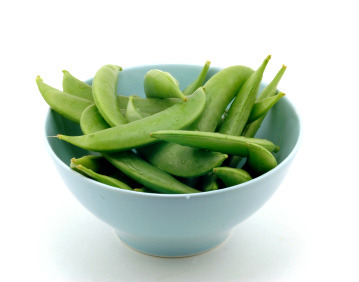
1. Sugar Snap Peas are a great choice because they are naturally sweet and often come pre washed in a bag. Simply open the bag and snack. A handful of these will only run you about 20 calories! (I also like to add sugar snap peas to salads and stir fries for an extra crunch!)

2. Carrot Sticks aren’t just for kids you know! You can enjoy freshly sliced carrots as is because they’re naturally sweet and crunchy. Of course there’s also baby carrots, but I’m not really a fan of how they are processed and created (ugly carrots whittled down into small pieces and bathed in chlorine). The choice is yours and it’s even better if you can enjoy them without any dip at all. A handful of carrot sticks will run you only 26 calories.

3. Celery Sticks are often popular in veggie trays but are usually served with high fat dips such as ranch dressing, Caesar dressing, peanut butter or Cheeze Whiz.  Try to wean yourself off of those calorie laden dips and enjoy the crunch and natural flavor of celery sticks just as they are. If you’re craving potato chips they are a nice substitute for that crunch you desire and are just 10 calories a handful.

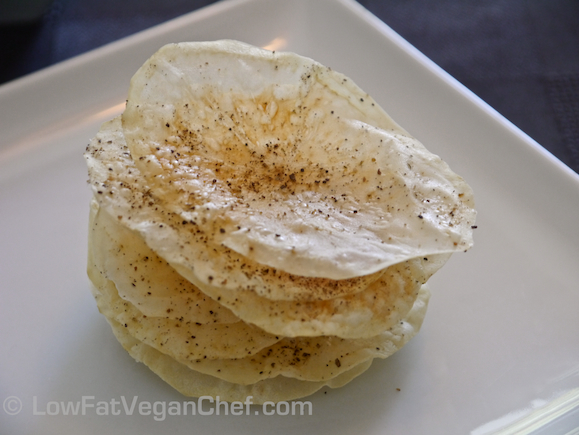
4. Fat Free Potato Chips So what do you do when you feel like you will actually go crazy if you don’t have a potato chip? Well I suggest you make your own in that case. Fat free potato chips are not quite as addicting (because they contain no oil) and at only 30 calories a handful they are truly a guilt free alternative to the store bought kind.

5. Cucumber Slices are a refreshing snack or addition to a salad especially in the warmer months when you’re looking for something light and juicy. Half an English cucumber or a few mini seedless cucumbers sliced up are a great choice over high calorie packaged snacks at just 8 calories a handful.

6. Cherry Tomatoes are naturally a little sweeter and more flavorful than large tomatoes and can make the perfect finger food for both children and adults. You can eat them as is or sprinkle a little pepper on them for flavor. At just 13 calories a handful you might be glad you switched!

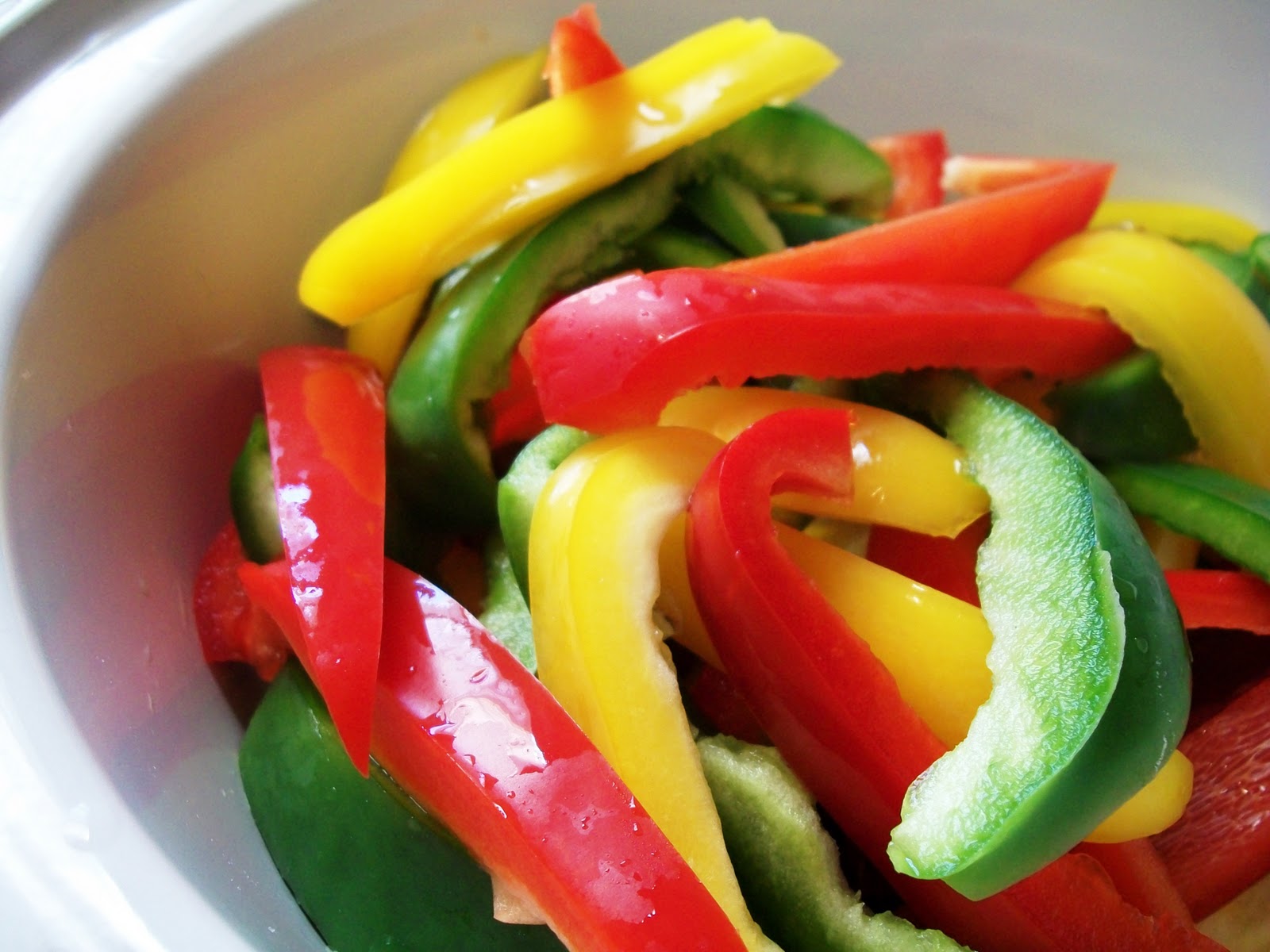
7. Bell pepper slices are not just for stir fries and fajitas! They are naturally sweet and zesty and don’t need any seasoning or dip to be enjoyed. Bell pepper slices come in at just 19 calories a handful.

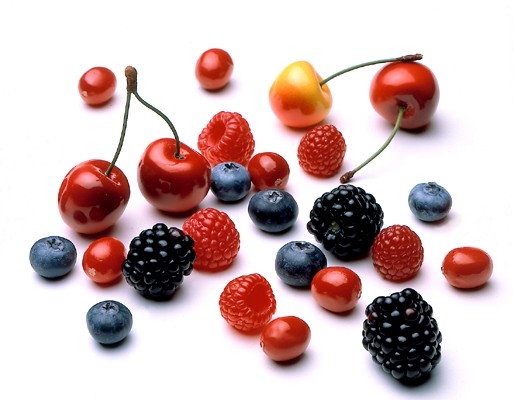
8. Strawberries and berries are nature’s candy and good all on their own. Once you start removing excess sugar from your diet you will find they can taste just as sweet or even better than candy with their fresh juicy flavor. A favorite after dinner treat of mine is just a bowl full of berries. At just 24 calories a handful (raspberries 32 a handful) it’s probably the best dessert choice you could make!

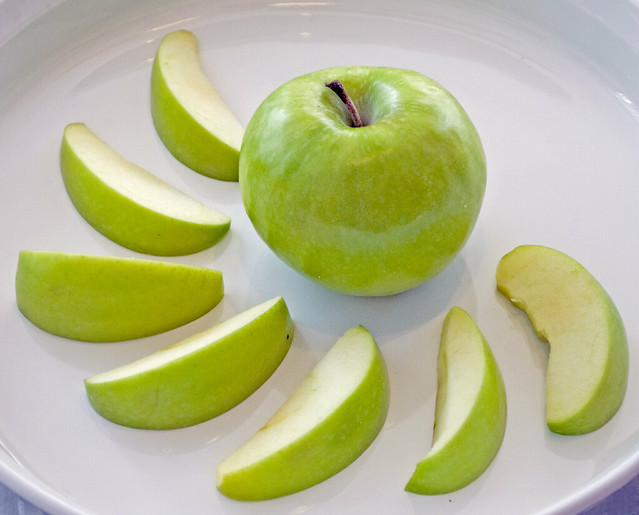
9. Fresh sliced apples are often easier to eat and more enjoyable once you cut up. A favorite for children and a great snack before or after a meal, apple slices are only 29 calories a handful.

10. Grapes are a great choice for a sweet snack when you’re cravings kick in because they’re filled with not only vitamins and water, but fibre that will leave you more satisfied than candies will. In summer I like to wash, dry and de stem grapes and freeze them for a natural frozen dessert. The sugars in the grapes will naturally crystallize and are great as a frozen treat or as ice cubes for filtered water. A handful of grapes is just 52 calories.

So how can you best utilize these healthier snacks to ensure you stick to your new found healthy eating plan?

  • Plan ahead and purchase some of these each week
  • Wash, dry, peel or chop and place in sealed containers in the fridge
  • Take your favorites along with you to work or while doing errands (so you’re less likely to buy something on the run)
  • Next time you go to the fridge for a snack, choose one of these instead
  • Mix it up, try different fruits and veggies each week!
I know it sounds so simple, but many people can benefit from having healthier foods within arms reach when hunger strikes. We all know too well how easy it is to give into weakness when we are hungry and cranky, so do yourself a favor and plan ahead!


Some of you may be wondering what about other snacks such as nuts, trail mix, dried fruit etc. The answer is, if you’re trying to lose weight, these foods are too rich in calories and too small in volume (compared to fruits and vegetables) to really satisfy your hunger when compared to the above suggestions. The idea behind successful weight loss is to eat less calories than you burn and using high water content, high fibre foods instead of calorically dense foods will help you get there. I prefer to use nuts and dried fruit in small quantities as part of a meal such as a garnish for salads or oatmeal so I am less likely to over eat on them. So choose low calorie high fibre, high water content snacks instead.


What’s your favorite healthy whole food snack? Do you plan ahead and stock your fridge with fresh sliced vegetables and pre washed fruits?


Filed Under: Articles, How To, Raw Snacks, Snacks, Weight-loss, Weightloss Tagged With: apples, bell peppers, berries, blackberries, blueberries, Carrots, celery, cherries, cucumbers, gluten-free, grapes, nut-free, potato chips, potatoes, raspberries, soy-free, sugar snap peas, tomatoes, top 10 health snacks, vegan

The Importance of Reading Labels. Organic Doesn’t Always = Best

February 19, 2013 by Veronica Grace 57 Comments

Fb-Button

Shopping for healthy foods can be somewhat challenging and confusing these days. Most people purchase products based on what the package looks like and health claims put on the front. They don’t always read the ingredient list or check out the nutritional information.

One thing I find particularly confusing and frustrating is the label “organic”. Especially when it comes to processed foods. Organic is only one criteria to determine whether a food is “healthy” and a good choice. Often foods labeled organic can have lots of oil and salt which can make them unhealthy regardless of being organic.

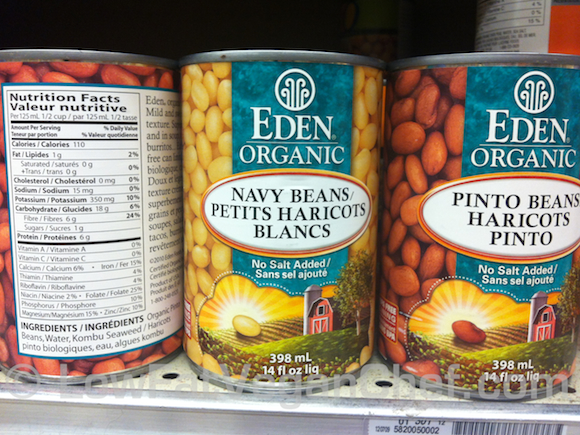
Let’s take a look at some of the organic and conventional canned beans that can be purchased at a regular grocery store. (Please bear in mind I am in Canada and there’s only about 4 choices of brands for each product and there will be more in the USA)

Black Beans

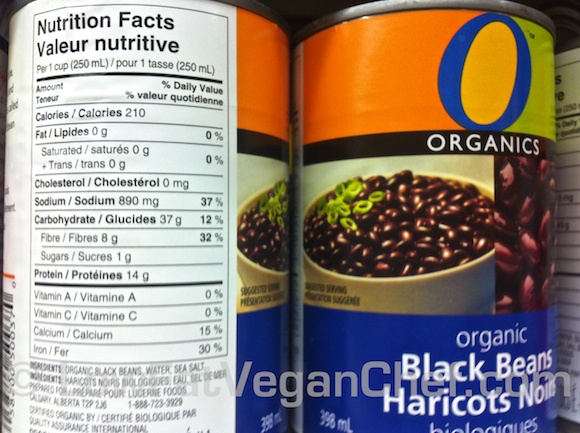
1 cup of organic black beans is 210 calories with 890 mg of sodium. This is shocking! You want to look for foods with around a 1:1 ratio of calories per serving and mg of sodium. This is far too much sodium for a packaged food for me to ever put in my shopping cart. It doesn’t even matter that it’s organic so I just leave it on the shelf.

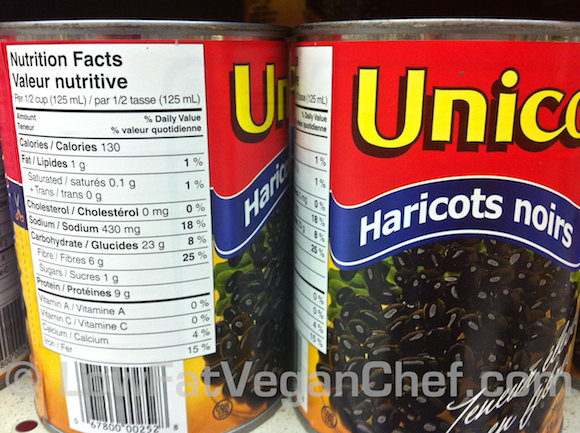
So what about a non-organic brand of black beans such as this popular brand? Well this label is deceiving. They have changed the serving size to only 1/2 cup. For 1 cup of these black beans it contains 260 calories and 860 mg of sodium. This brand has more calories and only slightly less sodium in it. This wouldn’t make it into my shopping cart either.

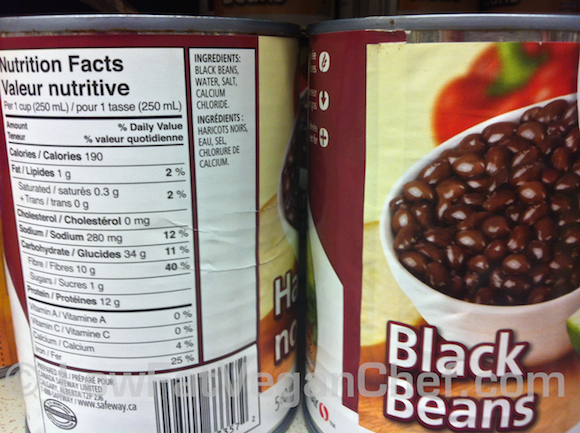
There’s lots of different brands so let’s check out another one. This one is 190 calories per 1 cup and only 280 mg of sodium. This leads me to believe there is less oil and sodium used in the recipe, and while the sodium isn’t quite at the 1:1 ratio it seems to be the best option for non-organic black beans at a fair price. For conventional, yes this could go into my shopping cart if there wasn’t any sodium free variety available.

Chickpeas/Garbanzo Beans

Chickpeas are another product frequently bought by vegetarians and health seekers so let’s take a look at some of these labels.

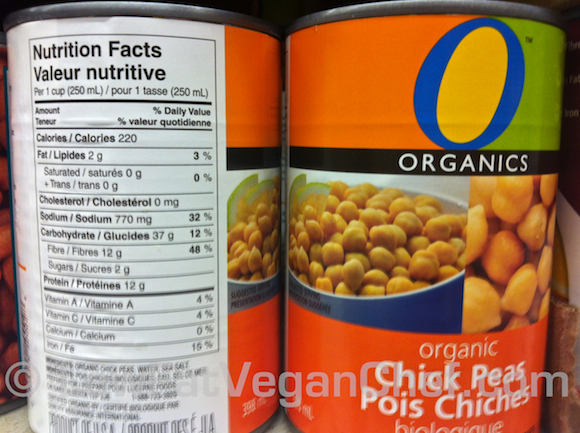
Organic chickpeas, looks good on the front, but check out the nutritional information on the back. 1 cup has 220 calories and 770 mg of sodium. This is far too high and it would not make it into my shopping cart.

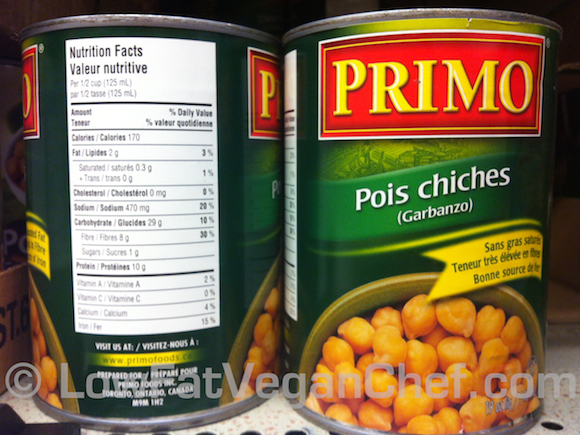
This label is again playing the little trick of changing the serving size. For a 1 cup portion of chickpeas it has 340 calories and 940 mg of sodium. This is shocking! This product would never ever make it into my shopping cart. That is more salt than in a frozen dinner or a pizza.

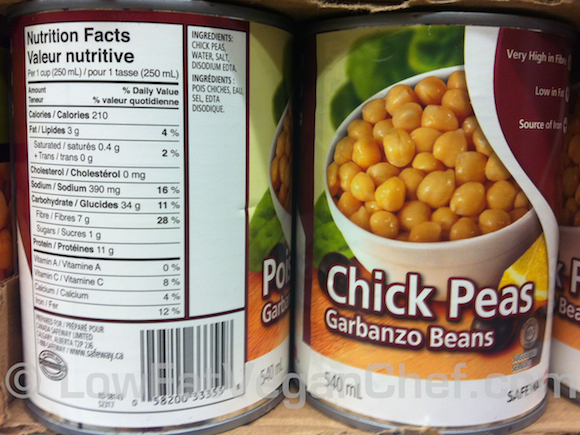
Here’s a more acceptable nutritional label. 210 calories and 390 mg of sodium. It’s not low sodium, but it seems to be one of the “better” choices for the price at the grocery store. If there were no low sodium/sodium free varieties at the store, I would choose this one.

When comparing organic to traditional products there are definitely some clear winners and losers. Overall there is one brand of organic beans that you can always count on to be healthy and good for you. I don’t need to compare any more types of beans, I think you get the message that even products that should be essentially the same are not and it’s important to always read the labels.

Eden Organics uses no added salt and uses seaweed instead to add some additional flavor to the beans. The great news is that they are also oil free and contain no other preservatives. They also come in a BPA free can, so all around they are the best choice for canned beans. You can find them at regular and health food stores. The only downside is that they are often more expensive than their competitors, but their product is better.

The good thing is, once you find out what brand is the healthiest you don’t have to spend time reading labels anymore for that product, just repurchase it every time. Even if the other brands that are high sodium and are on sale, I still don’t buy them. Sometimes they are in BPA lined cans and have salt and oil in them and there’s no point in buying unhealthy plant foods just because it’s on sale. The other ones are only a few cents more each.

Alternatively you can cook your own beans and control the amount of sodium and reduce the cost of using beans in your cuisine at home.

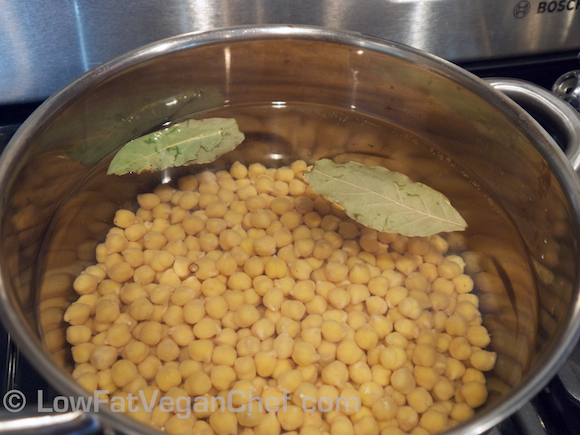
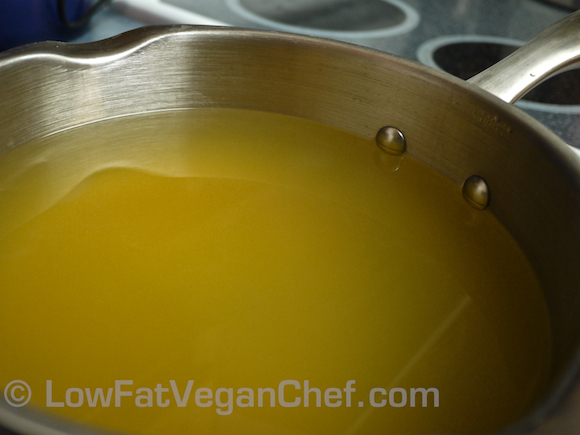
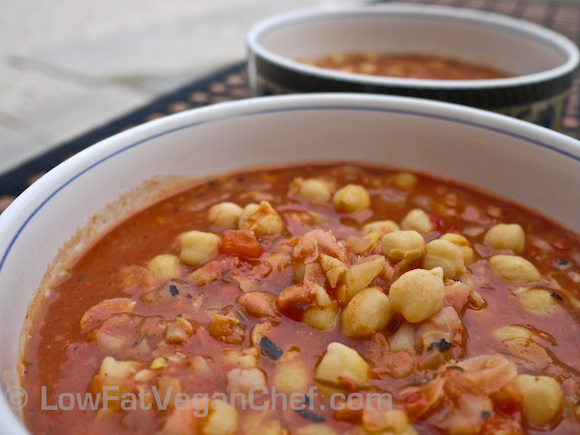
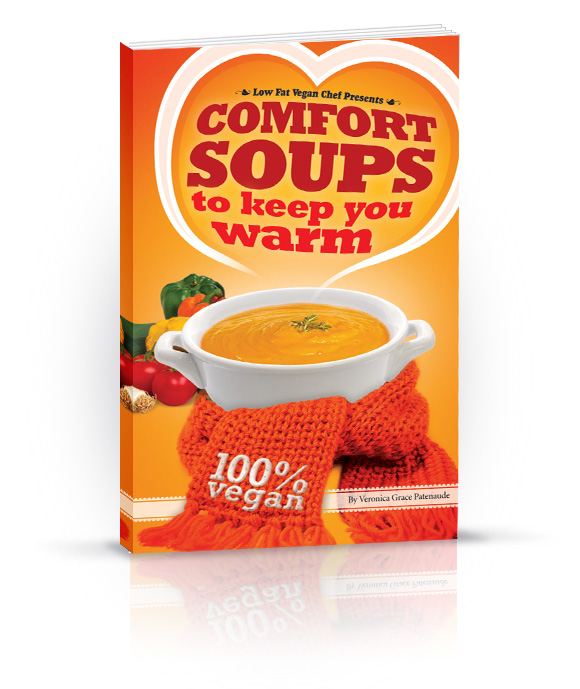
I detail this in my Comfort Soups To Keep You Warm recipe ebook. You’ll learn how to cook dried beans from scratch, make your own vegetable broth (that is more flavorful than store bought and low sodium)

Cook dried chickpeas at home

homemade vegetable stock

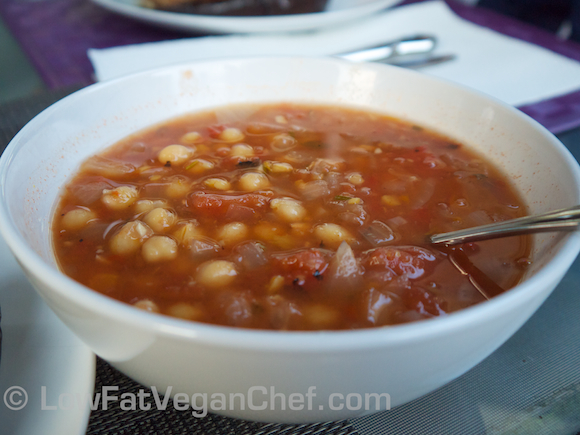
Tuscan Roasted Tomato Chickpea Soup made from scratch

All this and more is can be found in Comfort Soups To Keep You Warm

Are you surprised by any of these labels? Do you read the nutritional labels of everything you purchase at the store? Any other products you’d like me to investigate at the grocery store?

Filed Under: Articles, How To, Saving Money Tagged With: canned black beans, canned chickpeas, Eden Organics, garbanzo beans, high sodium, is organic food better than conventional

How To Stop Sabotaging Your Weight Loss Goals

February 14, 2013 by Veronica Grace 4 Comments

Fb-Button

“We all can’t help everyone, but we can all help someone” is a phrase that I came across recently that really rings true for me.

I know that I can’t change the world or get everyone eating I talk to eating healthy, but I feel it’s really important to share knowledge and help others. I’ve always been an extremely inquisitive and curious person, and whenever I learn something new I just feel the need to share it.

So if I can make a difference for just one of you today with this post, I’m going to do it.

First, I’m going to start off with a basic assumption: I know you want to be fit and healthy. Who doesn’t? But it’s not very easy to be once you’ve learned some bad habits is it?

We really want to change and have more energy, lose the weight and feel great. But something happens along the way…

You may or may not know what it is, but I think I know.

We tend to get in our own way and kind of sabotage ourselves, whether it’s subconsciously or not.

Let’s take a look at the some the top reasons we prevent ourselves from reaching our goals when it comes to achieving health and weight loss.

-Bad Attitude & Negative Perspective
-How You Talk To Yourself
-Wanting to Look Good To Impress Others
-Lack of Preparation and Planning
-Lack of Motivation

Bad Attitude & Negative Perspective

Your attitude about diet and lifestyle can stop you from succeeding before you even get started.

What not to do:

As dieters, we can have this attitude that eating healthy isn’t attractive. That the food doesn’t taste “good enough” as what we’re used to, that we’re deprived from our favorite treats, and somehow we’re being punished for our sins until we can drop the weight or gain our health back.

Then once we’ve achieved our goal we hope we can have a few treats again and relax a little.

You might even be telling yourself or others “Oh I can’t have that any more, I’m on a diet!!!”

Let me tell you from personal experience, this approach does NOT work.When we look at our new food as “the enemy” or not as good as what we used to have, we start to feel upset and stressed and resent it. And this can leave you seeking solace in your old favorites, trying to comfort yourself to feel better or feeling depressed and frustrated day after day.

What to do instead:

Change that attitude into a positive one.

Say to yourself something like, “I want to turn over a new leaf and start choosing foods that are not only delicious but are good for me and make me feel good.”

You know some of your past food choices haven’t been ideal. That’s ok. Today is a new day and try to have a positive attitude just to try it out. If you have to, fake it til you make it.

Try to look at your situation as wanting to be kind to yourself in a different way, a better way that not only keeps you healthy but brings more to your life like energy, happiness and longevity.

Try saying to yourself “I can eat whatever I want, but I want to choose foods that are healthful instead”.

Turn the negative into a positive. You make the decisions for you. You decide what you eat, and you choose different foods that are healthy, they are not forced upon you. Keep it positive and avoid any negative talk or attitude about your plant based meals.

By the time you get used to eating new healthier foods, your tastebuds will have caught up with you and you’ll realize these foods do actually taste pretty good, better than you thought they would.

Wanting to Look Good To Impress Others

Let’s face it, sometimes we can be a little insecure and vain.

We look at pretty and attractive people on tv and in the magazines and we can start to envy them.

Surely we would be happier if only we looked like them right?

What not to do:

You try to convince yourself to eat better and start exercising so you can dress to impress and look good for your spouse or flaunt it in front of friends and acquaintances.You think having people envy you will make you feel better about yourself and that should be motivation enough to stick to a new plan.

The truth is you’re actually sending a really bad message to your subconscious.

That somehow because you’re not currently getting praised for your looks or health that you aren’t worth it and if you were that would mean you were a success and make you feel better about yourself.

This is a bad situation.

The person who should care the most about your health is yourself. No one can force you or motivate you better to get healthy than yourself. Trying to diet or lose weight for someone else will not work for very long and soon you’ll be back to square one and still feel pretty crappy about yourself.

What to do instead:

Realize that you are the best motivator for getting healthy. Tell yourself that you want to get fit and feel great because of what a positive effect it will have on your life.

Get excited about all the benefits you will have by getting in shape and eatingbetter.

Things like:

-more energy
-better mood
-clothes fitting better
-being more outgoing
-feeling confident about your body
-wanting to dress up and go out
-not feeling guilty about food

All of these things will be a much better at motivating you to get healthy than just to look good for someone else or impress acquaintances and strangers.

Feed your soul and not your ego and you’ll naturally feel this positive shift in your perspective and behavior.

How You Talk To Yourself

This will predominantly concern women as we tend to be very critical of ourselves and expect perfection.

What not to do:

You look at yourself in the mirror and feel hopeless and depressed. “How did I let it get this far?” you might ask yourself. You don’t feel worthy, you feel ashamed and suddenly you just want to sit around and open up a tub of ice-cream to console yourself.

If you ever feel like this please do not lose hope. The problem is not what you see in the mirror. The problem is what you are saying to yourself and how you are treating yourself. The mirror is only a reflection of your previous behavior. You’ve made yourself feel unworthy of health and success somehow turned to food to help fill the emptiness or sadness you feel.

What to do instead:

Realize that you are not the sum of what you see in the mirror. There is far more to you than what can be seen on the surface. But you need to look at that reflection of yourself as your friend, actually your best friend.
If you’re not your own best friend, don’t expect anyone else to be able to treat you better than yourself. Look at yourself and say “I accept myself unconditionally as I am right now.”

It helps if you can say this at least 5 times a day.

Even if you feel silly, even if you think it’s a lie, please just try it.

It helps to train your subconscious to associate your image with love and acceptance, instead of shame and guilt.

Visualization is highly beneficial for success. If you have any other conditions such as heart disease, diabetes or cancer you can use positive affirmations to help
your body heal as well. Envision yourself at your ideal body weight and in perfect health. Try to think about yourself like this throughout the day.

It will send signals to your body that will help you achieve your goals.

Lack of Preparation and Planning

What not to do:

You buy a bunch of recipe books or you spend hours online looking at recipes you want to make only to let them sit there in the back of your mind “to try one day”.

You don’t make a shopping list of items to buy, and you don’t really think about when you’ll go grocery shopping or when you’ll have time to make lunches or dinner.

So you come home from work, stressed out and feeling guilty and you order take out or pull out something unhealthy from the freezer to reheat.

You tell yourself “maybe next week I’ll do better… but I don’t know if I can do it.”

What to do instead:

This is something I really had to work on myself.

When I have been most successful in eating healthy I’ve prepared all of my meals at home, and brought food with me wherever I went.

1. Find some recipes that you want to make for the week. Plan out some simple meals like smoothies or oatmeal for breakfast, soup, stews, wraps or sandwiches for lunch and some casseroles or entrees for dinner.

2. Write down all the ingredients you need to buy and plan 1 or 2 times that you can shop for groceries. If you plan on making a lot of green smoothies or salad it helps to go twice a week as sometimes you can run out of fridge space for those bulky items.

3. The last step is to schedule some cooking/prep time for meals. If you don’t make time for this you really won’t be able to succeed and you risk having your produce go to waste.

Even if you have a busy work schedule or family life, try to find 1-2 hours at least 2-3 times a week that you can dedicate to creating healthy meals. Just take it slow, start out with a few recipes until you get the hang out if it.

If you make sure you have healthy meals already prepared in the fridge you are more likely to eat them whenever you get busy and stressed. Don’t let yourself get to the point where you’re starving, cranky and there’s nothing ready to eat in the fridge so you go out and get some fast food instead.
Anticipate those situations that make it easy for you to feel tempted to grab take out or fast food and be prepared.

Every time you have one of your healthy meals instead of something else, smile and praise yourself a little. You’re on your way to success!

Lack of Motivation

You may feel a lack of motivation towards many things, exercising, grocery shopping, preparing meals, eating healthy
etc.

Try to determine the root cause of your lack of motivation.

If you’re just too tired, try to go to bed a little earlier and get a little more sleep. If you feel uninspired or afraid of trying something new, ask your spouse or a friend to do it with you for moral support. (This could be exercising together, shopping together, cooking together etc).

You can also meet like minded people on websites such as www.meetup.com if you’re looking for some activity partners or veggie enthusiasts to talk to.

If you feel like you don’t have any time to work out, look at your schedule and plan all your other activities out and then see where you have some time. Even if you just
make time 30 minutes 3 times a week before work or after dinner to go for a walk or a light jog it will make a difference.

The key is to make realistic goals and start out with what you can manage and stick to it.

Studies have shown that once you have created a new habit and stuck to it for at least 21 days, it becomes almost second nature and is very easy to keep up.

The hardest part is going to be getting to that 21 days. But just take it one day at a time and praise yourself for the little victories along the way.

So now that we’ve covered some of the mental blocks that might be preventing you from being successful at a health new life style, I want to encourage you to remember the important things I’ve covered in this post.

-Start having a positive attitude with healthy food

-Don’t change for anyone else, change for yourself

-Accept yourself for who you are today

-Plan ahead for success

-Make time and get motivated with friends
or loved ones

While I can’t personally coach everyone on living a successful lifestyle (I’m still working on myself too!) I can help you when it comes to making meals with my mouth watering plant based dishes.

My Low Fat Vegan Starter Kit is the perfect way to get started in this journey.

100% real food, with no oil, and no processed ingredients.

All with tantalizing photos to inspire you every day. Best of all they are omnivore and picky eater tested and come with a 100% 60 day money back guarantee so it’s risk free to try.

Get the Low Fat Vegan Starter Kit here:

http://www.plantbasedu.com/LowFatVeganStarterKit

And I want to say thank you for all that you do by reading my emails and blog posts because without you I wouldn’t be able to reach out and help the world.

So in turn we are helping each other. 🙂

P.S. If you’ve already bought one of my ebooks in the package you can definitely upgrade to the whole package at a discount. Just contact me and I’ll give you the
details!

Filed Under: Articles, How To, Obesity, Weight-loss Tagged With: articles, impress others, lose weight, positive thinking, stop the self sabotage, the secret, weight-loss

How To Make Vegan Food Taste Good Without Cheese!

January 31, 2013 by Veronica Grace 6 Comments

Fb-Button

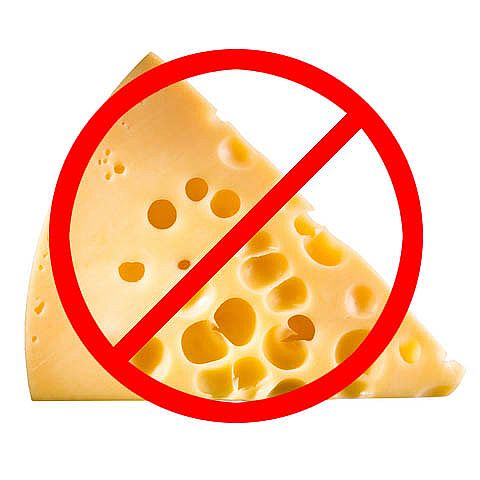
Cheese might be the #1 food that prevents many vegetarians and omnivores from believing they could eat vegan, let alone be happy eating that way.

So if you feel upset or frustrated at the thought of not eating cheese regularly, don’t worry you’re not alone.


Cheese is naturally highly addictive to humans because it’s both fatty and very salty and contains casein (a dairy protein that has been shown in studies to be as addictive as opiates believe it or not).

The combination of these factors makes it extremely hard for anyone to willingly give it up cold-turkey.

But let’s say you already know that cheese and dairy products aren’t good for you because you’ve read books like The China Study or seen the film Forks Over Knives.

How do you make meals taste good without cheese?

Option #1: Substitute Vegan Cheese

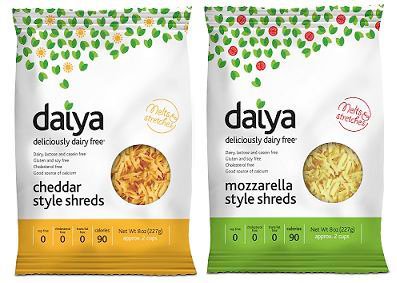
Depending where you are on your vegan journey you could switch to a vegan cheese for starters such as Daiya Vegan Cheese. I don’t often use it, only very occasionally as it still contains oil and is high in fat, but it may be helpful to make a plant based transition for you or family members who need a little sprinkling of something for certain recipes. Please go easy on adding vegan cheese, it tastes quite rich and you don’t need as much as you normally would with regular cheese. All cheese and cheese-like foods are made with oil and are high in fat, it is not health food.


Option #2: Make Faux Cheese At Home

Another option is to use a mixture of crumbled tofu with miso paste and nutritional yeast to create a sort of tofu ricotta mixture that is tangy and feels
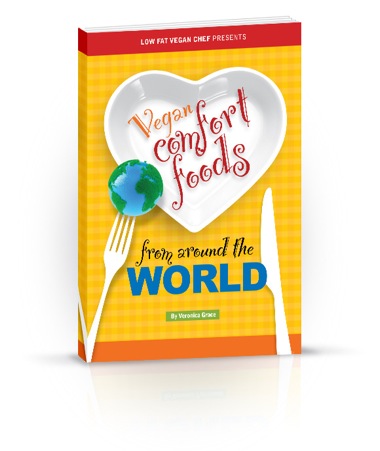
creamy like regular ricotta. (I show you how to do this for Plant Based Lasagna in my Comfort Soups From Around The World recipe ebook.

If you are looking for a creamier cheese to drizzle you can try using cashews and blend it with some water, garlic, lemon, miso paste, nutritional yeast and liquid sweetener to create a nut cheese. There’s even a whole book about making faux cheese called The Ultimate Uncheese Cookbook!

For low fat cheese sauces check out my Comfort Foods ebook again for cheezy sauce for vegetables or mac & cheese recipes.

http://www.plantbasedu.com/comfortfoods

Use lots of sauce and veggies on pizza and you don’t need cheese!

Option #3: Go Without and Use Other Seasonings

Eventually you want to be able to enjoy healthful foods without resorting to cheese like toppings (because they are often high in salt and fat).


I recommend using more veggies and adding fresh herbs and more seasonings to make recipes taste delicious without added cheese.

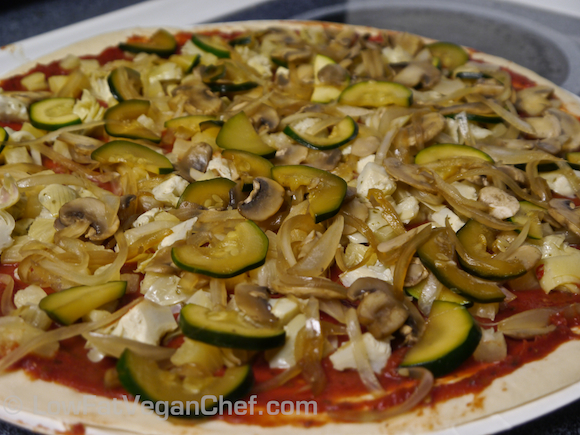
For example, for pizza roast or sauté veggies in different seasonings and load up a healthy pizza crust with lots of pizza sauce and a variety of veggies. I often like to add sautéed mushrooms, sautéed zucchini, sautéed onions, wilted spinach, fresh basic, fresh garlic, red onions, pineapple, artichokes (packed in water), peppers etc. If you want something creamy on top you can take thin slices of avocado and put it on top of the pizza after it’s cooked for that creamy texture.

For pasta sauces I like to use fresh garlic, basil and onions to kick up the flavor to canned tomatoes or bottled sauce and cook it and blend it together so it has more flavor. If your sauce is tasty you won’t need cheese for that tangy salty flavor.

While your cheese cravings won’t likely disappear overnight, please know that they will greatly diminish as you start eating less and less of it and trying new
foods.

Also you should know that your tastebuds regenerate every 10-14 days! So you can train your tastebuds to want other foods instead of cheese by eating them instead.

Just like any other addiction, the more you have it the more you want it. So try to gradually reduce your cheese and dairy consumption until you no longer think about it.


Once you are accustomed to eating a low fat, oil free diet even vegan cheese can lose its appeal and seem like nothing more than salty oily goo. I quite enjoy eating
homemade vegan pizza as more of a flatbread topped with lots of veggies and find it doesn’t need anything else.

For tasty plant based meals that don’t require any fake meat or fake cheese check out my ebook

Comfort Foods From Around The World

And learn how to make a healthy version of your old favourites using things like nutritional yeast, miso paste, squash and tofu instead for that creamy cheese like flavor.


I hope I’ve given you some helpful tips on how to banish those cheese cravings. Just take it one day at a time and soon cheese will be in your rearview mirror and you won’t even be missing it at all.


Filed Under: Articles, How To, Weight-loss Tagged With: how to, how to make meals without cheese, non dairy, vegan cheese

Don’t Be So Sure Sugar Is Making You Fat

January 18, 2013 by Veronica Grace 5 Comments

Fb-Button

I was watching this series on Netflix this week called “Freaky Eaters”.

It’s a little bit of a buzz word title for a show I know.

No they don’t eat weird things like spiders or insects or anything scary.

They just have severe eating disorders where they compulsively eat junk foods all day everyday.

One middle aged women was so unhappy in her life that she found happiness only eating candy, chocolate, cake and cookies every day and nothing else.

Another middle aged man only ate plain cheeseburgers 3 meals a day. He was afraid of all vegetables and couldn’t even let a tiny strand of shredded lettuce touch his bun without being paranoid it would alter the taste of his burger. (It also looks like he ate fries and a cola with his meals as well.)

A young 20 something year old ate nothing but pizza (of any kind, restaurant, fast food microwavable) for 3 meals a day. He actually made himself so sick that he was throwing up every morning and could no longer play volleyball, but he didn’t think it was in anyway related to his diet.

The last woman I watched was another 20-something who lived at home, and was completely addicted to Coca Cola. It was so bad that she was drinking upwards of
30 colas a day or more and she denied that she had any kind of problem. (She also ate twinkies, ho ho’s, oreos and chips for her meals)

Now these are all extreme cases. My gut tells me that this is not that wide spread. These are severe food addictions and since it is “reality TV” it’s probably embellished a lot to make it look more dramatic.

One thing that I noticed was though that the two women eating and drinking nothing but sugar and white flour were not really overweight.

The one soda girl was told she was pre diabetic but miraculously she didn’t have it yet with all the cola she drank. She was also a normalweight.

The man who ate the cheeseburgers and fries every day was actually diabetic and veryvery overweight.

This is not a scientific analysis by any means, it is just my observation.

But the body actually has an easier time burning off excess sugar (even if it’s white refined sugar) than it does excess calories from deep fried foods(and oil and cheese).

These two women who were not overweight, ate in excess of 6000 calories a day, almost all coming from simple sugars like white flour and white sugar.

Even the young man eating pizza all day every day was not overweight, he was normal weight. (He ate a lot of white flour in the form of pizza crust 3 times a day so it was still a substantial amount of simple sugar.)

So this is why I find it is SO IMPORTANT to teach people to cook without oil and  get them off of eating fried foods day in and day out.

If there is one type of cooking that is REALLY holding you back from weight-loss it is that super high calorie fried food.

That means any of your favorites such as:

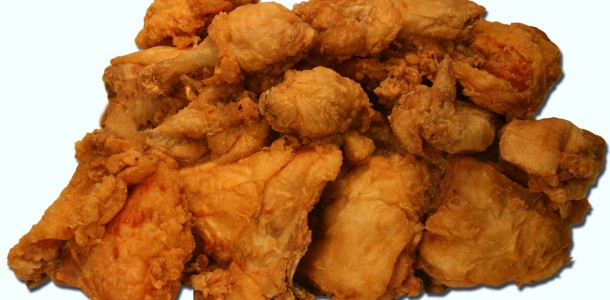
-fried chicken
-french fries
– “fish and chips” 
-potato chips
-tortilla chips or “Doritos”
-donuts and fritters
-hush puppies or fried corn cakes
-onion rings
-fried calamari
-fried mozzarella sticks
-anything battered and fried

HAVE GOT TO GO! Right now.

I’m dead serious!

If you are still eating any of these foods they are seriously sabotaging your health and your efforts to weight loss. I suggest not letting them even be an option
for you when making food at home or going out to restaurants because deep fried food is highly addictive.

If you eat these foods regularly, you are likely to not stop at just one piece, or one bite. You might even feel compelled to eat the whole plate. (Often very quickly and it disappears right before your eyes…)

And when you eat these foods regularly your body will actually CRAVE them.

We are still designed to seek out the highest calorie dense foods, as if we were living in the wild trying to stave off starvation.

So super salty, fatty and rich foods make our brains and bodies go crazy, that once they get some they want more and more and MORE.

The most important thing to do when trying to give up a food addiction is to make it very difficult to get. This is SO important.

That means get any and ALL of these foods out of your house right now!

(Even if you have a spouse or children who want to eat these foods. It’s just too tempting for you to eat them if it’s around). Don’t allow these foods in the house. If someone wants to eat them they should be eaten outside the house only occasionally, thus making it harder for them to get instead of always being in the cupboard or freezer.

That also means not going to you “favorite” restaurant where you typically get that fried chicken, fried fish etc. Try an alternate route if you often drive near places that cause you to feel tempted.

Don’t walk down the junk food aisles at the grocery store, stay away from the convenience store and don’t go down the frozen meat and frozen french fries aisle.

The best way to succeed is to replace these bad habits with good habits.


-Find a new favorite meal to eat (and of course make sure it’s healthy.)

-Find a new place to eat out at, (that is of course healthier too.)

-Only shop at the healthy parts of the grocery store such as the produce aisles.

You cannot expect to change and lose weight and get on track if you are in the same situation every day and doing the same things.

You need a fresh start.

And the first thing I want you to do kick is fried foods to the curb.

ALL of them.

They are the most addicting because they combine crunchy and salty flavors that make you eat more and are filled with white flour and oil (the two highest calorie nutrient devoid foods.)

We can work on the rest later.

But if you’re concerned about high blood pressure, cholesterol, heart disease, diabetes etc., and want to lose weight, you’ve got to ditch that fried food.

The best way to do succeed is to find and learn some new healthy recipes that you and your family will enjoy.

So that’s why I’ve put together my Low Fat Vegan Starter Kit.

It’s full of recipes you can use for breakfast, lunch and dinner to get back on track and to start losing that weight NOW.

It just takes a little bit of trying and a desire to make changes in your life for the better.

I’ve already done all the hard parts of figuring things out and creating delicious healthy meals.

All you have to do is buy the ingredients and follow the instructions.

Just go to:

www.lowfatveganchef.com/LowFatVeganStarterKit

If you want to do something good for your health, start by taking out the #1 unhealthy type of food.

No more fried foods. Especially battered and fried meats and cheeses. Those are the worst.

It actually could make a big difference for you.

I bet more than a few of you have a hard time resisting eating these foods compulsively when you see them.

It’s ok. We’re wired to want more of these foods when we have them regularly. So you just have to start removing them from your diet and the cravings will
go away.

Just like any other addiction like alcohol, drugs or cigarettes. You have to stop ingesting them to get rid of the cravings!

How can you possibly stop this addiction if you keep purchasing these foods instead of learning how to make healthier new foods?

I can help with that.

Just go to:

www.lowfatveganchef.com/LowFatVeganStarterKit

And take charge of your health today…

I know you can do it!

Sincerely,

Veronica Grace

P.S. If you’ve already purchased one of my ebooks in the Starter Kit you CAN upgrade. Just contact me for details and I’ll get you set up no problem!

Filed Under: Articles, How To, Obesity, Weight-loss Tagged With: does sugar make you fat, fried foods, how to eat healthy, how to eat vegan, Low Fat Vegan recipes, obesity, sugar makes you fat

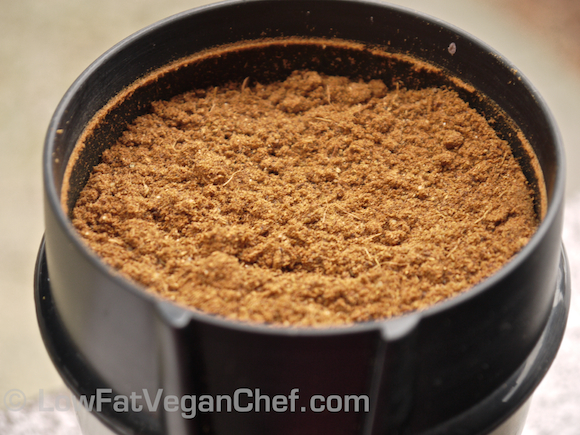
Punjabi Garam Masala Recipe

November 22, 2012 by Veronica Grace 3 Comments

Fb-Button

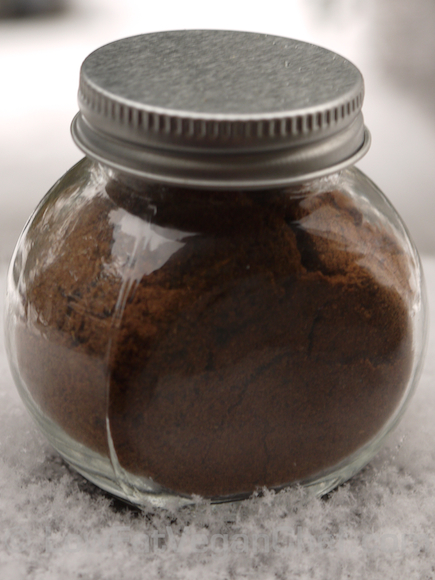
(yes that is snow! the lighting was better outside)

Are you looking for a fragrant yet milder version of Garam Masala to use in your Indian recipes? I find that store bought Garam Masala is quite spicy and bitter, and not as fragrant.

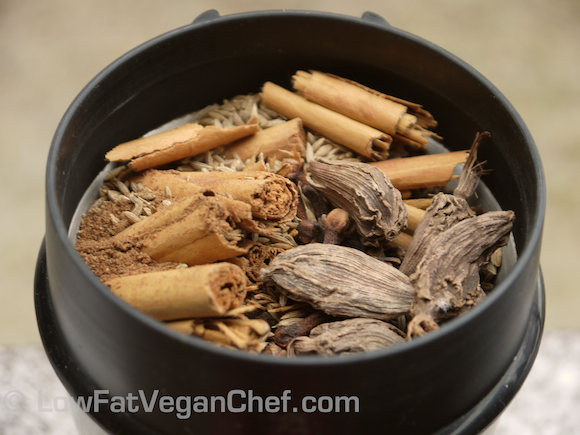
So I decided to make this recipe instead. Garam Masala can contain a mix of spices and be made differently depending on what region you are in India. Garam Masala can contain the following spices: black pepper, cumin, coriander, black cardamom, cloves, nutmeg, ginger, bay leaf, caraway, cinnamon and/or mace.

This recipe is fairly simple and only contains a few ingredients.

Punjabi Garam Masala Recipe

Ingredients:

2 tsp black cardamom pods
4 tsp cumin seeds
8 tsp whole cloves
1/2 tsp ground nutmeg
4 3″ cinnamon sticks (cassia variety)

Directions:

Combine ingredients in a coffee grinder.

Pulse until spices are ground and uniform in size.

Store in an air tight container.

Uses:

Garam Masala is used in the last 5 minutes of cooking, or sprinkled on dishes after they are cooked so the flavors stay intact.

Have you ever used Garam Masala? What’s your favorite way to use it? 

Filed Under: Cooked Vegan Recipes, How To, Indian Dishes, Spices/Seasonings Tagged With: cardamom, cinnamon, cloves, cumin seeds, garam masala, Indian Dishes, nutmeg, punjabi, seasoning, spices

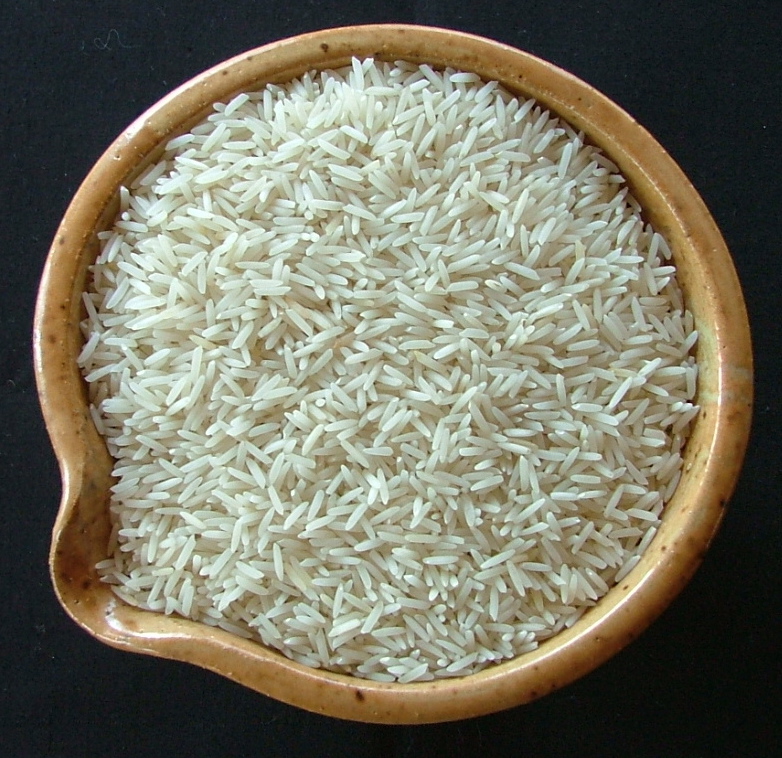
How To Cook The Perfect White Basmati Rice

October 3, 2012 by Veronica Grace 6 Comments

Fb-Button

How To Cook The Perfect White Basmati (Indian Rice)


Long grain Indian Basmati rice is a little different from the typical white rice. It is long and thin and, if cooked properly, can be light and fluffy and delicious. Quite often it can be overcooked and turn out sticky and mushy. Follow these directions for the best white Indian Basmati rice.

Stove top directions for white basmati rice:

1. Measure rice and add to a bowl or mesh strainer. Rinse with cold water 3 times moving the grains around with your hands.
2. Add rice to a bowl and soak with 1-½ times as much cold water for firm rice and double the water for softer rice. Add ½ tsp. of salt for every cup of rice. (This is optional, it helps the grains stay firmer and not stick together.) Let the rice sit for 30 minutes to 2 hours. This helps stop the grains from breaking and sticking together.
3. Transfer rice and water to a heavy bottomed pot and cover with a fitted lid. If it has a steam vent cover it with a small cloth.
4. Turn to high heat and bring to a boil.
5. When it’s at a rolling boil, turn the heat down to a simmer and cook for 12-14 minutes. DO NOT PEEK OR OPEN THE LID.
6. Turn off the heat and let the rice steam for 5-10 minutes.
7. Fluff with a fork and serve.

Rice cooker directions for white basmati rice:

1. Measure rice and add to a bowl or mesh strainer. Rinse with cold water 3 times moving the grains around with your hands.
2. Add rice to a bowl and soak with double the cold water as rice. Add ½ tsp. of salt for every cup of rice. (This is optional, it helps the grains stay firmer and not stick together.) Let the rice sit for 30 minutes.
3. Transfer rice and soaking water to rice cooker pan and set the white rice/regular cook setting.
4. Allow rice to steam for 5-10 minutes when cooking cycle is complete.
5. Fluff with a fork and serve.
For firmer more al dente rice, at the beginning, just rinse in cold water and skip the soaking time. Combine water and rice in a rice cooker and cook on the white rice/regular cook setting.

For cooking brown basmati rice over the stove, use 2 cups of water for every cup of rice. Bring to a boil and cook it covered over a simmer for 35-40 minutes. Let it stand 10-20 minutes after done cooking to finish steaming.

For brown basmati rice in the rice cooker set it to the brown rice setting.
Tip: You can also add any additional Indian spices such as cumin seeds, cardamom pods, mustard seeds, whole cloves, cinnamon sticks, turmeric etc. to the soaking water to flavor your rice.

Filed Under: Articles, How To, Indian Dishes, Side Dishes Tagged With: fat-free, gluten-free, Indian Dishes, nut-free, rice, soy-free

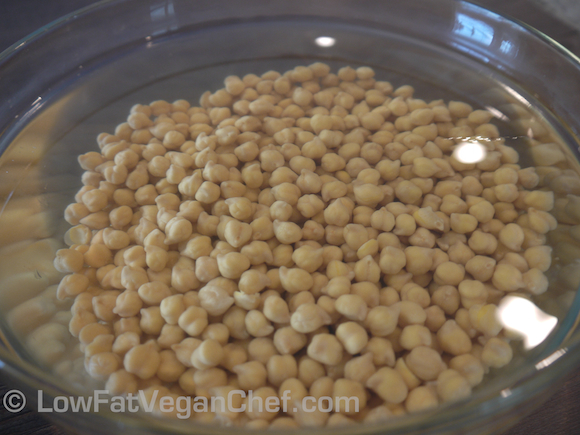
How To Cook Dried Chickpeas On The Stove Or In A Pressure Cooker

September 24, 2012 by Veronica Grace 40 Comments

Fb-Button

How To Cook Dried Chickpeas From Scratch

Tuscan Roasted Tomato and Chickpea Soup from my Comfort Soups ebook

In my recipe books I cook all of my own beans from scratch because it’s less expensive and overall tastes much better. It’s also a good way to control the amount of sodium in your diet and you can cook your beans with or without added salt. For those of you interested in cooking your own chickpeas/garbanzo beans, it’s probably because you’ve gotten hooked on how amazingly delicious (and cheap) it is to make your own.

I recommend making a big batch if you are going to go to the trouble of cooking chickpeas/garbanzos yourself. You can save any leftovers in containers or bags and freeze them for later, or you can just make a double batch of your recipe to use them all up and have meals for the week. The best tip I have for flavorful chickpeas is to use a bay leaf and some seaweed like kombu. When you’re not using salt, (or much at all) beans can taste very bland and these seasonings will greatly enhance the flavor of your chickpeas over the canned versions.

(If you’re looking for directions for cooking non-soaked chickpeas, scroll to the bottom)

Stove Top Directions For Cooking Chickpeas:

Step #1: Pick through your dried chickpeas/garbanzos and remove any bits of rock, broken shells, gross looking chickpeas, random other beans etc.

How To Cook Chickpeas

Step #2: Rinse your chickpeas and place into a large bowl or container. Add 3 cups of water for every 1 cup of beans that you are making. Let the beans soak overnight, or first thing in the morning so you can make them for dinner. I find that chickpeas are fine if they are soaked 5-8 hours, but when I soak them overnight they get overcooked really easily and are disappointing. Try not to soak your beans more than 8 hours if leaving them overnight. If you you do, it’d be better to cook them over the stove as there is less risk of overcooking when you use a pressure cooker.

Step #3: Drain and rinse the chickpeas again in a colander.

How To Cook Chickpeas

Step #4: For cooking the beans on the stovetop add 3 cups of water for each 1 cup of dried chickpeas and bay leaves and/or a kombu seaweed strip for flavour. Bring to a boil and then simmer over medium-medium low heat for 1-2.5 hours until they give to pressure. (it depends on size, small beans cook faster) Make sure they are not crunchy inside and are cooked through. Since each bean has a different size, the cooking times will vary. You can add salt or additional seasonings if desired part way through cooking, but this is optional.

*Non-Soaking Method For Cooking Dried Chickpeas In Pressure Cooker:

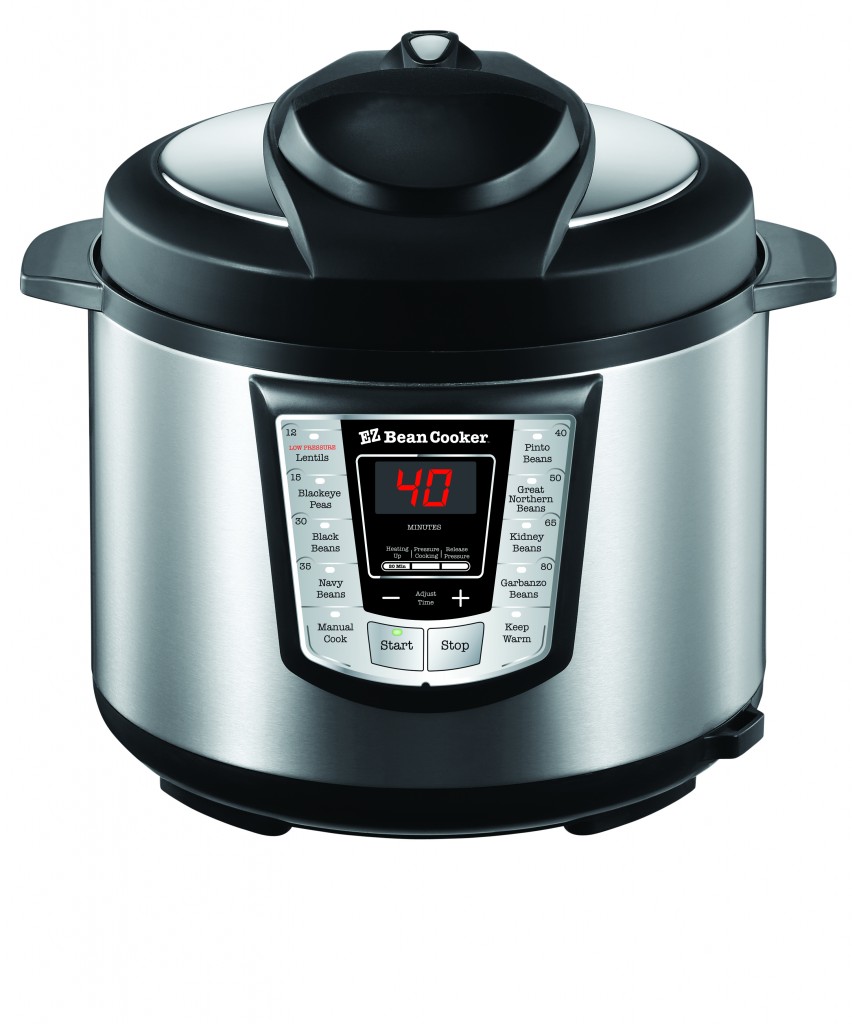
If you have an EZ Bean Cooker or digital pressure cooker you DON’T HAVE TO presoak your chickpeas.  You can just rinse them and put them in a pressure cooker and 3 cups of water to every 1 cup of dried chickpeas. Season if desired. Choose the garbanzo (80 min) setting on your EZ Bean Cooker or program for 80 minutes on a digital pressure cooker. Once the timer goes off release the pressure from the valve and let the pressure continue to drop. Drain and use chickpeas as desired.

Regular Pressure Cooker Directions For Cooking Pre-Soaked Chickpeas:

Step #1: Pick through your dried chickpeas/garbanzos and remove any bits of rock, broken shells, gross looking chickpeas, random other beans etc.

Step #2: Rinse your chickpeas and place into a large bowl or container. Add 3 cups of water for every 1 cup of beans that you are making. Let the beans soak overnight, or first thing in the morning so you can make them for dinner. I find that chickpeas are fine if they are soaked 5-8 hours, but when I soak them overnight they get overcooked really easily and are disappointing. Try not to soak your beans more than 8 hours if leaving them overnight. If you you do, it’d be better to cook them over the stove as there is less risk of overcooking when you use a pressure cooker. *Note see below for Non-soaking method for cooking chickpeas.

Step #3: Drain and rinse the chickpeas again in a colander. When using a pressure cooker use enough water to just cover the beans beans and add bay leaves/kombu/a little salt or baking soda if desired and cook for the recommended time on a pressure cooker timing chart. For chickpeas it’s around 5-7 minutes at high pressure in a stove top pressure cooker. (Less if you soaked them 8+ hours) Ultimate Pressure Cooking Chart is a good starting point of reference, but I find their times to be a little high for my gas stove pressure cooker. Always start with a lower time the first time. Once you figure out your perfect time, it’s best to write it down so you remember for next time. (Like the amount of hours you soaked the chickpeas and the number of minutes cooked at high pressure.)

When pressure cooking, keep it on high heat until it reaches full pressure (a steady stream of steam coming out), then reduce it to medium-medium high heat (depending how hot your stove is) and cook for the time indicated in your manual or the pressure cooking chart. I like to play it safe as cook a at least a minute or two less than the charts stipulate. Turn off the heat as soon as the timer goes off. Once the pressure has been reduced and it’s safe to open the lid you can check the beans and see if they are cooked enough.

Note: I do not use oil when cooking my beans with a pressure cooker myself. Most companies recommend that you do so that you don’t get bean foam clogging up the pressure release valve and make a mess. I prefer to cook everything without oil.

To alleviate this foam problem, I use what’s called the “Quick Release Method” by turning off the heat once the timer goes off and then move the pressure cooker into the sink and run cold water on top of the lid until it cools down and the pressurized release opens. This way I do not get any bean foam coming out or making a mess. (This works only for stovetop pressure cookers.)

For the electric pressure cookers it can be a little trickier. You can unplug it and place it in the sink and run cold water on it, or you can put a towel over the top and turn the valve and let out the pressure that way, but there will be bean juice and foam coming out of it and it will soak your towel.

For most things I let the pressure come down naturally, but especially when cooking black beans you need to do the quick release method or else they will be mushy and overcooked. They are very finicky and can only be pressure-cooked 1-2 minutes maximum.

Quick Soak Method For Beans: 

If you forget to soak your chickpeas or beans the night before or in the morning and you want to make a recipe that day you can do the “Quick Soak Method”.

Place your dried beans into a pot and fill with water 3 inches above the beans. Bring to a full boil and then turn off the heat and remove from the stove. Cover and let the beans soak in this hot water for 1 hour. Drain and then cook as above, and your beans should be similar to beans soaked for 8 hours. Please make sure you cook them afterwards, this is just a quick soak method and not a quick cooking method.

Additional Tips For Cooking Chickpeas:

Once your beans are cooked, you can drain them and use them in a recipe, or you can save them in their cooking water and freeze in smaller portions.

Bean cooking liquid is great served over rice or potatoes (if it’s a little seasoned) so don’t just throw it away.

For the best taste in your chickpeas I always recommend using 2 bay leaves, kombu seaweed (if you can find it) and seasoning with a little salt or kelp. If you don’t season the beans at all they will be very bland and probably taste dry and pasty! So I don’t recommend this. Fresh thyme is another delicious suggestion.

Kombu is available at Asian markets and health food stores beside the Nori seaweed. But you probably won’t find this at a regular grocery store though.

Have you ever cooked your own chickpeas before? What’s your favorite chickpea recipe?

Filed Under: Articles, How To Tagged With: chickpeas, how-to

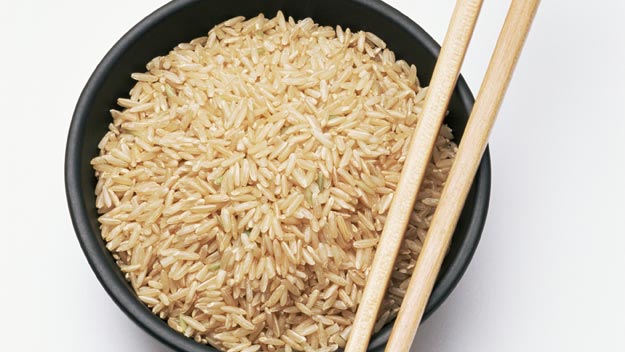
How To Cook The Perfect Brown Rice

September 20, 2012 by Veronica Grace 10 Comments

Fb-Button

How To Cook The Perfect Brown Rice


Brown rice takes much longer to cook than white rice and sometimes it can be confusing why your brown rice didn’t turn out if you have never cooked it before. Brown rice is a whole grain and still contains the outer layer of bran. White rice has just been de-hulled and reveals the white endosperm inside. Any rice that contains the outer layer of bran will look brown and can be called brown “rice”.

So let me show you how to cook brown rice in 2 easy ways, on the stovetop or in a rice cooker.

Stove Top Directions For Cooking Brown Rice:

  1. Measure out rice using a measuring cup. Usually it’s 1/3 cup for a small single serving and 1 cup for several servings. You can always make a big batch in advance and reheat it later or use to make rice salad.
  2. Place rice in a mesh strainer or a bowl and rinse with cool water to remove any debris and excess starch.  Drain.
  3. Add rinsed rice to a pot and add 1 ½ times the amount of rice you have in fresh water. For 1 cup of rice, add 1 ½ cups of water.
  4. Put the pot on the stove uncovered and turn the heat to high and bring it to a boil.
  5. Once your water is boiling, turn the heat to a simmer and cover with a lid. If your lid has a hole or steam valve cover it with a little cloth. Let the rice cook at a simmer for about 20 minutes.
  6. Turn off the heat and let the rice sit and steam for another 10 minutes.
  7. Fluff with a fork and serve.
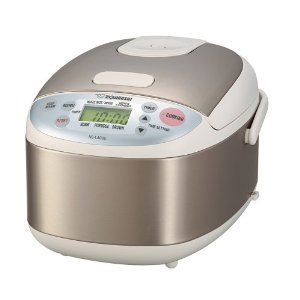
My favorite rice cooker is the Zojirushi 5 1/2 cup (dry amount) rice cooker. It’s designed in Japan and is like the Mercedez of rice cookers. You can program it to cook rice at any hour of the day, but I personally enjoy being able to set it the night before to cook steel cut oats for whole grain oatmeal in the morning. It also has settings for brown rice, white rice, mixed rice, sweet rice, porridge, cake and steaming vegetables. So if you’re looking for an awesome all in 1 grain cooker I recommend this one. If you’re just a single or looker for a cheaper one there’s also the Zojirushi 3 cup (dry amount) rice cooker. 

Rice Cooker Directions For Cooking Brown Rice:

  1. Measure out rice using the measuring cup that comes with rice cooker. Usually it’s 1/3 cup for a small serving and 1 cup for several servings. You can always make a big batch in advance and reheat it later or use to make rice salad.
  2. Place rice in a mesh strainer or in rice cooker pan and rinse with cool water to remove any debris and excess starch.  Drain.
  3. Add rinsed rice back to rice cooker pan and add water to the corresponding water level for brown rice. If your rice cooker pan does not have a brown rice and white rice water line, use 1 ½ times the amount of rice for water. For example: 1 cup of dried brown rice will need 1½ cups of water.
  4. Turn rice cooker on and select brown rice setting. If your rice cooker does not have a brown rice setting, select white rice or just press on/start.
  5. Once cooking is complete and the rice cooker turns to the keep warm setting, let the rice sit and steam for 5-10 minutes before opening. (This helps your grains stay separated and not stick together when you scoop it out.)
  6. Fluff with a fork and serve.

I suggest setting your rice cooker to cook 1 to 2 hours before your main dish is ready to ensure that it is ready on time. For basic rice cookers it’s about 1 hour of cook time, for the Zojirushi it’s about 2 hours because it adds a soaking cycle (and produces better brown rice.)

Filed Under: Articles, Cooked Vegan Recipes, How To, Side Dishes Tagged With: brown rice, cooked recipes, fat-free, gluten-free, how-to, nut-free, soy-free

  • « Go to Previous Page
  • Page 1
  • Page 2
  • Page 3
  • Page 4
  • Interim pages omitted …
  • Page 6
  • Go to Next Page »

Primary Sidebar

Follow Us:

Newsletter

Get The Low Fat Vegan Starter Kit

natural organic skin care line

Free Skincare Samples

Earn Free Crypto At Binance

Earn Free Bitcoin on Gemini Exchange

Earn $10 in Bitcoin With Gemini Exchange
Dr. Fuhrman
Dr. Fuhrman
Dr. Fuhrman

Tags

80/10/10 apple avocado banana blueberries breakfast broccoli Carrots celery chickpeas cilantro corn cucumber Curry dill dinner easy Eat To Live fat-free gluten-free how-to Indian Dishes lemon low-fat mango mexican mushrooms nut-free oil-free pasta pineapple plant-based raw raw vegan rice smoothie soup soy-free spinach tofu tomato tomatoes vegan vegetarian vitamix

Secondary Sidebar

Recipes:

  • Cooked Vegan Recipes
  • *My Recipe Books
  • Breads and Baked Goods
  • Breakfast
  • Brunch
  • Burgers
  • Casseroles
  • Curries
  • Desserts
  • Dinner
  • Dips for Veggies or Chips
  • Eat to Live-Dr. Fuhrman Recipes
  • Engine2Diet
  • Ethiopian Dishes
  • Greek
  • Green Dishes
  • Holiday
  • Indian Dishes
  • Mexican
  • One Pot Meals
  • Pasta
  • Pizza
  • Quinoa
  • Salads
  • Sandwiches and Wraps
  • Raw Vegan Recipes
  • 80/10/10
  • Raw Breakfast
  • Raw Desserts
  • Raw Dips
  • Raw Dressings
  • Raw Entrees
  • Raw Juices
  • Raw Salads
  • Raw Smoothies
  • Raw Snacks
  • Raw Soups
  • Sauces
  • Side Dishes
  • Slow Cooker Recipes
  • Snacks
  • Soups and Stews
  • Spices/Seasonings
  • Sushi
  • Thai
  • Vietnamese

Copyright © 2026 · Foodie Pro & The Genesis Framework